
Taste is often talked about as a matter of preference. But in food development, taste is much more than that. It’s the foundation of every successful product. Before branding, before claims, before trends, there is taste. And when taste is right, consumers don’t need to analyze why — they simply know.
Most people can’t articulate whether a product leans too bitter, too acidic, or slightly under-seasoned. What they can identify instantly is balance. They recognize when something feels satisfying, complete, and craveable, and they notice just as quickly when something feels flat or unfinished. For food scientists, product developers, and culinary teams, understanding the five basic tastes is what allows those reactions to be shaped intentionally rather than left to chance.
At NuSpice, taste theory is not an abstract concept; it’s a practical framework used every day to help brands build flavor systems that resonate in real-world experiences. By understanding how sweet, salty, sour, bitter, and umami interact, developers gain control over how a product is perceived from the first bite to the last.
A Breakdown of the Five Basic Tastes
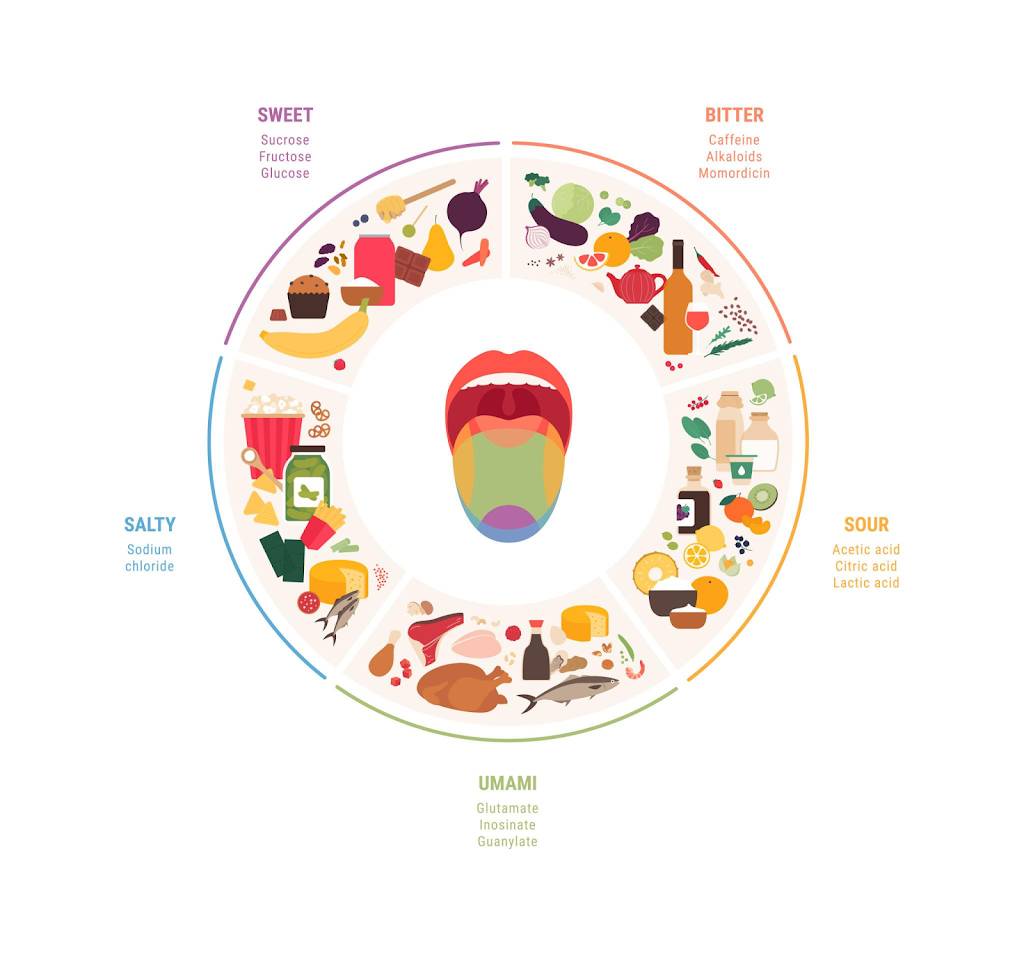
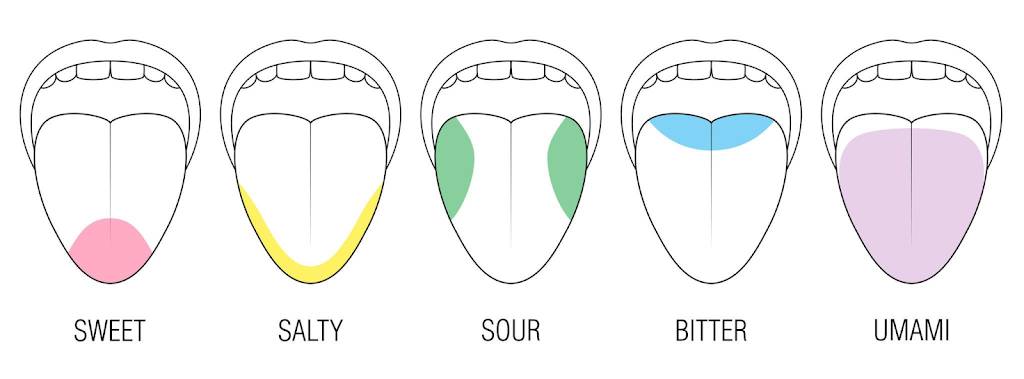
The five basic tastes are universal across cultures and cuisines, yet they’re expressed in countless ways depending on formulation, processing, and application. Most importantly, each has the power to enhance — or undermine — the others.
Sweet
Sweetness softens harsh edges, rounds out acidity, and makes flavors feel more approachable. In savory products, even subtle sweetness can enhance perceived fullness and balance without reading as “sweet” to the consumer.
Beyond sugar, developers now utilize various glycosides and polyols to achieve this profile without the caloric load, requiring a deep understanding of sweetness onset and lingering effects.
For example: how a touch of sugar rounds a tomato sauce without ever tasting “sweet” or how a hint of honey softens the sharp edges of a vinaigrette
Salty
Saltiness enhances aroma, suppresses bitterness, and amplifies overall flavor intensity. And even small adjustments can dramatically shift how a product is experienced.
For example: how even a pinch of salt makes a roasted vegetable seasoning suddenly taste more vibrant or how under-salted potato chips feel flat, even when the flavor coating is perfect
Sour
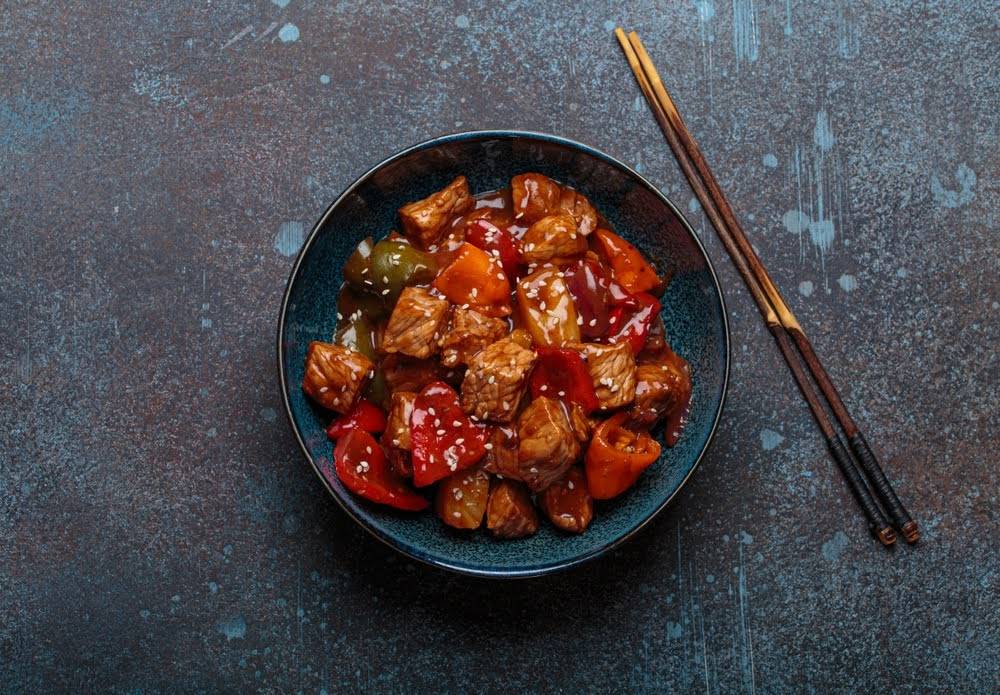
Acidity provides the high notes in a flavor profile. It sharpens flavors, cuts through richness, and adds a sense of freshness. Without enough sourness, products can feel heavy or dull; too much, and they become aggressive or unbalanced.
Whether derived from citric, malic, or lactic acids, sourness can also act as a natural preservative and a palate cleanser, preventing flavor fatigue in rich or heavy products.
For example: how lemon instantly brightens hummus and cuts through tahini richness or how buttermilk tang keeps fried chicken coatings from feeling heavy
Bitter
Bitterness adds depth and complexity, but it requires careful handling. When balanced, it contributes sophistication and contrast. When uncontrolled, it becomes one of the fastest ways to lose consumer acceptance.
For example: how controlled bitterness from cocoa or espresso adds depth to desserts and rubs or how greens like kale or arugula brighten sandwiches when their bitterness is balanced by acid or fat
Umami
Often described as savory or mouth-filling, umami creates lingering satisfaction. It adds depth and continuity across bites, making foods feel more complete and indulgent, even when other elements are restrained.
For example: how Parmesan or miso boosts depth in creamy sauces without increasing salt or how fermented pepper pastes create lingering satisfaction in spicy condiments
How the Right Balance of Taste Impacts Consumer Perception and Repeat Purchase
Consumers don’t return to products because they’re “interesting.” They return because they’re satisfying. And a balance of the five tastes is what turns a one-time trial into a repeat purchase.
When tastes are properly aligned, products feel intuitive. Nothing jumps out as overpowering or missing. Instead, flavors unfold smoothly, with each bite reinforcing the last. This sense of harmony builds trust, and consumers feel confident choosing the product again because they know what experience they’ll get.
On the other hand, imbalance often shows up as fatigue. A product may taste exciting at first, but without proper balance, it quickly becomes overwhelming or tiresome. Excess bitterness, unchecked saltiness, or insufficient acidity can all contribute to a product that fails to sustain enjoyment over time.
You can see this play out across real categories every day:
- Hot-style snacks often launch with explosive impact but fall flat by bite three when acidity isn’t calibrated to lift the heat. Brands routinely reformulate with slightly higher citric or malic acid to keep the experience craveable.
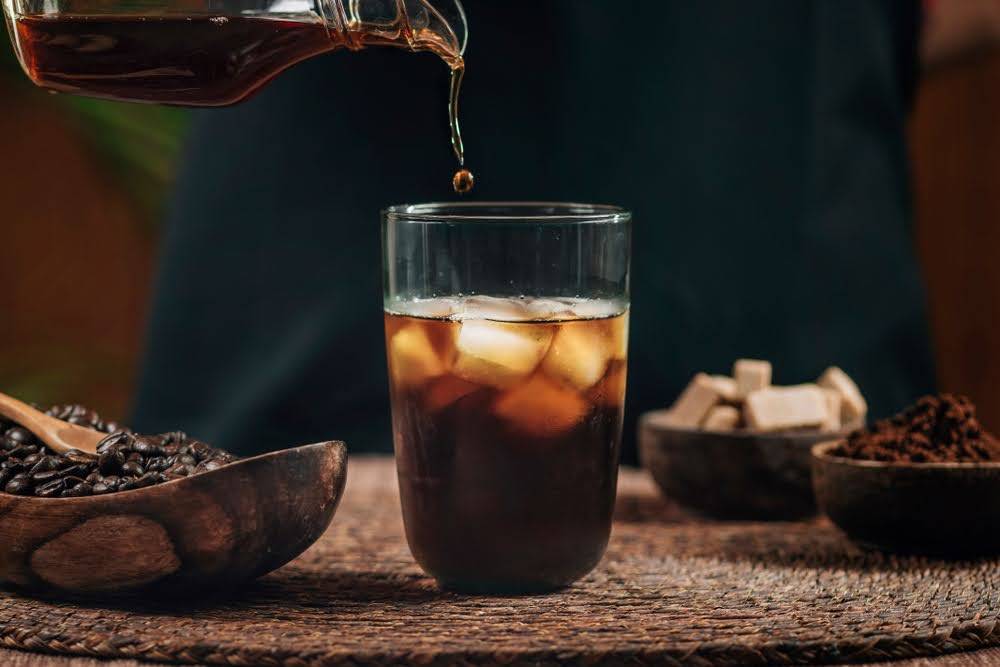
- RTD cold brew coffees are notorious for tasting “muddy” or flat on launch. A slight increase in sweetness or fat instantly rounds bitterness and creates a smoother, more premium-tasting finish.
- Reduced-sodium soups frequently lose depth in early iterations. Developers restore craveability by adding umami (yeast extract, mushroom, tomato concentrate) rather than simply adding the salt back.
- Plant-based burgers carry natural bitterness and “green” notes from pea protein. The most successful brands don’t mask it—they balance it using salt and umami to create savory fullness.
- Kombucha and shrub beverages live or die by the acidity-to-sweetness ratio. Even small shifts in sourness can make a product go from harsh to refreshing.
- Frozen entrées often taste muted after freezing and reheating, even when the test-kitchen version was perfect. Balancing salt, sweetness, and acidity for the final application—not the bench sample—is the key to a consistent consumer experience.
- BBQ sauces heavy in molasses or tomato can taste “thick” or muddy until acidity is adjusted to brighten the profile.
- Greek yogurt dips rely on balance; when the tang is too aggressive, brands add subtle sweetness, fat, or umami to make the experience smooth and craveable.
- Citrus sparkling waters can drift into “pithy” bitterness when citrus oils dominate. A small tweak to acid and sweetness—even within natural flavor systems—pulls the profile back into harmony.
These kinds of adjustments are often the difference between a product consumers try once and a product they buy again and again.
Navigating Taste Synergy
One of the most critical — and often overlooked — realities of taste development is synergy. Changing one taste doesn’t just affect that taste; it changes how all the others are perceived.
Salt is a classic example. Increasing salt can reduce perceived bitterness, enhance sweetness, and elevate savory depth simultaneously. A small adjustment may eliminate the need to address bitterness directly, simply by changing how it’s perceived.
Similarly, acidity can sharpen sweetness or make salt feel more pronounced. Bitterness, when paired correctly, can actually make sweetness feel cleaner and more controlled rather than heavy. And umami can stretch flavor impact across the palate, reducing the need for intensity elsewhere.
This is why taste development isn’t about maximizing individual elements; it’s about understanding leverage points. Knowing which adjustment will create the greatest overall shift allows developers to work more efficiently and intentionally.
The Interplay Between Taste, Aroma, and Texture
Taste does not operate alone. What consumers experience as “flavor” is the combined effect of taste, aroma, and texture, and these elements constantly influence one another.

- Aroma: Aroma often sets expectations before a product even touches the tongue. If aroma suggests richness or sweetness, the palate is primed to receive those sensations more readily. When taste aligns with aroma, the experience feels seamless. When it doesn’t, consumers perceive confusion or imbalance, even if they can’t explain why.
- Texture: Creaminess can amplify sweetness and umami. Crispness can heighten salt perception. Thickness can mute acidity, while thin or aqueous textures can make sourness feel sharper.
Successful food development considers these interactions holistically. For example, at NuSpice, we consider how the seasoning will interact with the lipids, proteins, and moisture content of the final application to ensure the aroma and taste arrive at the consumer’s palate in perfect synchronization.
Applying Taste Theory Across Different Food Categories
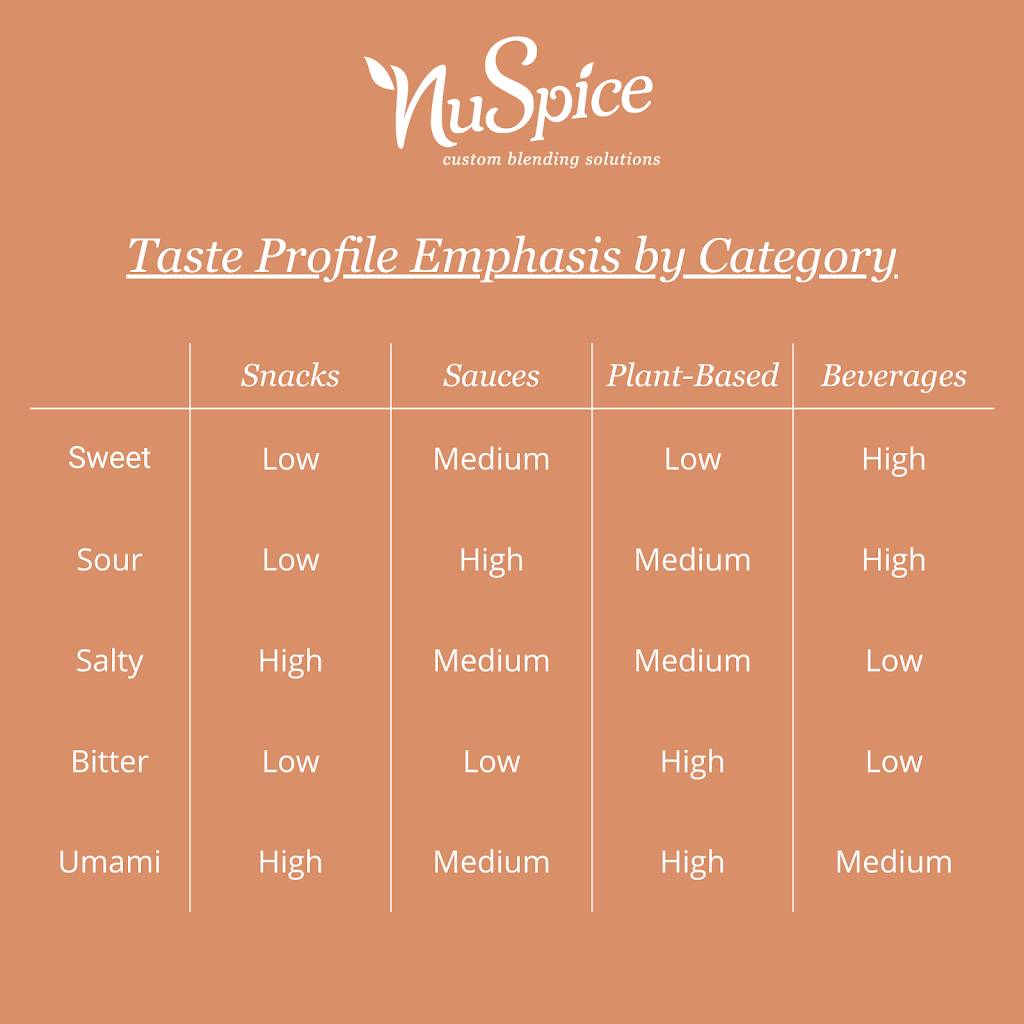
While the five basic tastes are universal, their ideal balance shifts depending on the category and use case.
- Snack Foods: In snacks, bold salt and umami often drive immediate impact, while controlled bitterness and acidity prevent flavor fatigue.
- Sauces: In sauces and condiments, acidity becomes a key structuring element, shaping how flavors cut through proteins or fats.
- Plant-Based Foods: Plant-based products frequently require careful taste balancing to manage bitterness and enhance savory depth without overpowering the base ingredients.
- Beverages: In beverages, sweetness and acidity must be precisely calibrated, as even small deviations are immediately noticeable.
Understanding category-specific taste expectations allows developers to meet consumers where they are while still creating opportunities for differentiation.
Master the Art of Taste With NuSpice
Great products don’t happen by accident. They’re the result of deliberate choices. And a deep understanding of the five basic tastes allows development teams to diagnose problems more quickly, make smarter adjustments, and create flavor experiences that feel intentional.
At NuSpice, this philosophy guides every custom seasoning blend we create. By focusing on balance, synergy, and real-world application, we help brands move beyond products that are merely acceptable and toward offerings that are memorable and craveable.
If you’re developing a product with great potential but something still feels ‘off,’ our team can diagnose the taste balance and get you to craveable faster.” Let’s collaborate to create a well-balanced, market-ready solution that keeps your customers coming back for more. Reach out to the NuSpice team today to begin your next flavor innovation.