
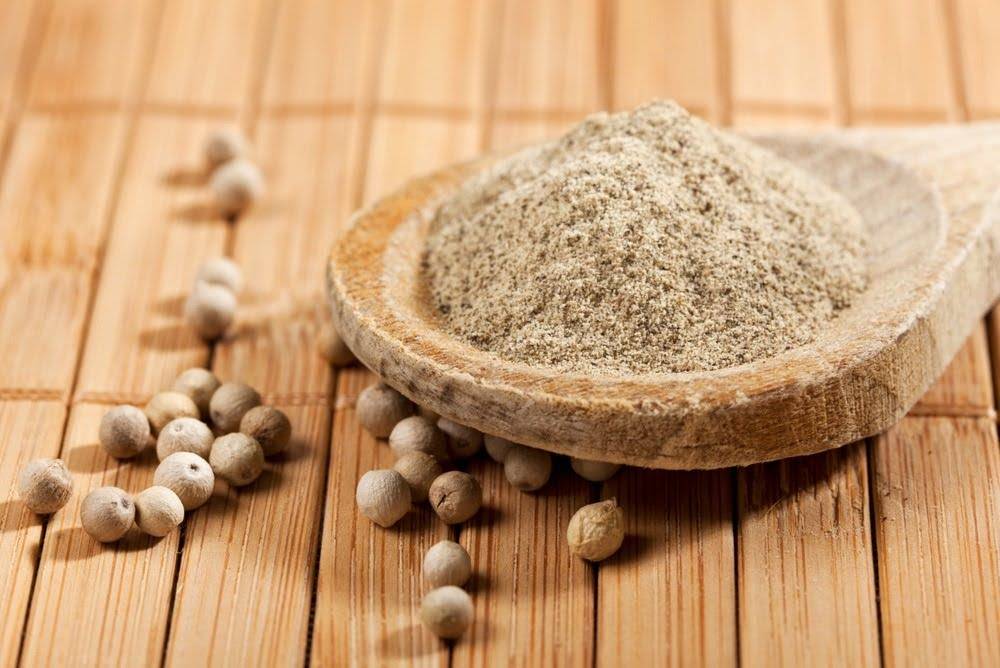
White pepper has spent years hiding in the background. Most consumers know black pepper. It is familiar, visible, sharp, and easy to recognize. White pepper, on the other hand, has always been a little quieter. It shows up in cream sauces, soups, mashed potatoes, Asian dishes, snack seasonings, and delicate seafood applications, but rarely gets much attention.That may be starting to change.
As consumers move away from aggressive heat and novelty-driven spice, there is growing interest in flavor that feels more refined, layered, and intentional. Instead of overwhelming dishes with burn, today’s consumers are looking for heat that enhances. They want warmth without distraction, complexity without heaviness, and flavor that feels premium rather than overpowering.That is exactly where white pepper fits.
Unlike black pepper, white pepper has a softer, more lingering heat. It is earthy, slightly floral, and a little fermented, with a flavor profile that blends into dishes rather than sitting on top of them. It creates warmth without sharpness and depth without visible disruption.
In many ways, white pepper feels like the “quiet luxury” version of spice. It is understated, polished, and subtle in a way that makes products feel more elevated. It also aligns with several broader trends happening across food right now: cleaner-looking products, more globally inspired flavor profiles, and a growing preference for nuanced heat over extreme spice.
What Makes White Pepper Different?
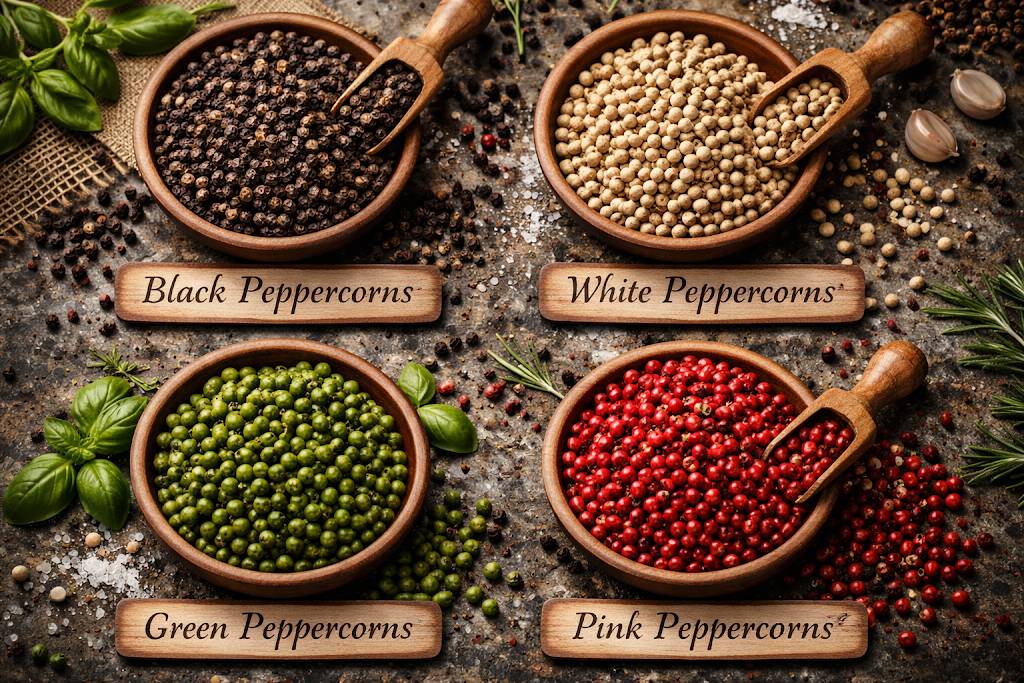
The black peppercorn and white peppercorn come from the same plant, but their processing creates two entirely different flavor profiles and experiences.
A black peppercorn is harvested and dried with the outer skin intact, which gives it its bold aroma, visible specks, and sharper bite. That outer layer is where much of black pepper’s piney, citrusy, and slightly aggressive flavor comes from.
A white peppercorn, on the other hand, has the outer skin removed before drying, leaving behind the inner seed. The result is a spice that feels softer, earthier, and more integrated into a dish.
White pepper’s heat builds more gradually than black pepper’s. Instead of hitting all at once, it lingers in the background and creates a warming sensation that feels more refined. There is also a subtle fermented or musky note to white pepper that gives it more depth, particularly in savory applications.
Beneath the heat and the earthiness lies a delicate floral note. This makes it an exceptional pairing for ingredients that are easily overwhelmed, such as seafood, white meats, and dairy.
Beneath that earthy warmth, white pepper also has a delicate floral quality that makes it especially useful in dishes where balance matters. Seafood, chicken, creamy sauces, mashed potatoes, noodles, soups, and dairy-based applications can all benefit from white pepper because it enhances flavor without overpowering it.
It also offers a visual advantage. While black peppercorn can leave dark flecks throughout a product, white peppercorn blends seamlessly into lighter-colored foods. That makes it ideal for cream sauces, dips, soups, plant-based dairy products, and other applications where appearance matters just as much as flavor.
Of course, black and white are not the only peppercorns gaining attention. Green peppercorns are harvested earlier and have a fresher, brighter flavor with a mild heat that works well in sauces, brines, and pickled applications. Pink peppercorns, which technically come from a different plant entirely, bring a softer pepper note with subtle sweetness and fruitiness. They are often used in premium spice blends, cocktails, desserts, and visually driven dishes.
Why White Pepper Is Trending Now
White pepper’s rise is a result of a broader shift in how consumers and brands think about flavor, heat, and culinary inspiration.
The Demand for Cleaner Heat
White pepper’s rise is tied to a broader shift in how consumers think about heat. While extreme spice and novelty-driven flavors still have their place, many consumers are becoming less interested in overwhelming burn and more interested in heat that feels balanced, layered, and intentional.
White pepper fits naturally into this movement. Its softer, more gradual heat aligns with the growing demand for “clean heat” — warmth that is noticeable without being aggressive. It enhances other flavors rather than competing with them, making it especially valuable in soups, sauces, snacks, prepared meals, ready-to-eat meals, and other applications where balance matters.
Premium Products Need More Refined Flavor
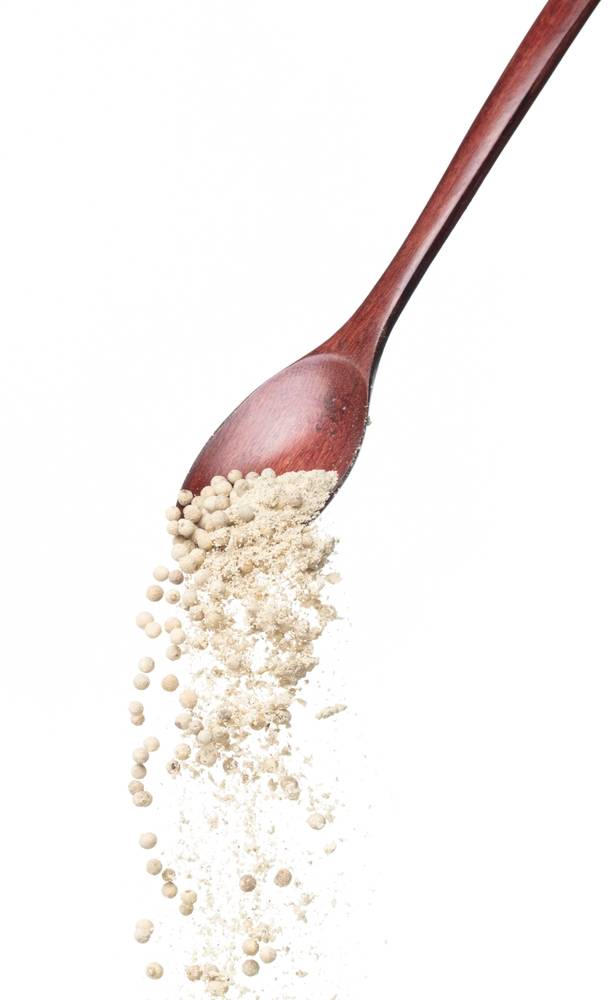
Consumers are paying more attention to the details that make products feel elevated. Whether it is a better-for-you frozen meal, a refrigerated side dish, a premium dip, or an upscale snack, there is growing demand for ingredients that feel more sophisticated.
White pepper helps create that effect because it feels more subtle, nuanced, and polished than black pepper. In many ways, it is the “quiet luxury” version of spice — understated, refined, and intentional.
Global Flavors Are Driving Familiarity
White pepper also connects naturally to the growing influence of global cuisine. It has long been used in Asian soups, noodle dishes, dumpling fillings, French cream sauces, Scandinavian seafood dishes, and other traditional applications.
As consumers become more familiar with these global flavors, white pepper feels less unfamiliar and more like an authentic ingredient that belongs in modern products. It gives brands a way to create products that feel globally inspired without becoming too niche or intimidating.
Appearance Matters More Than Ever
In many categories, appearance matters just as much as flavor. Consumers increasingly associate clean visuals with premium quality, particularly in light-colored foods like dips, soups, sauces, mashed potatoes, plant-based dairy products, and creamy snacks.
White pepper gives brands the same warmth and seasoning benefits as black pepper without leaving behind dark flecks. The result is a cleaner, more polished appearance that feels elevated and intentional.
White Pepper Has Been Hiding in Plain Sight
White pepper is not a new ingredient, but it feels increasingly relevant because it aligns so naturally with where food trends are headed: cleaner heat, more global inspiration, more premium positioning, and a more thoughtful approach to flavor.
How Brands Can Use White Pepper to Stand Out
For product development teams, white pepper is a versatile tool. When used thoughtfully, it can help create products that are elevated, balanced, and on-trend.
Creating Balanced Heat Without Overpowering Other Flavors
One of white pepper’s biggest strengths is its ability to bring warmth without dominating a product. Unlike black pepper, which can feel sharp or aggressive, white pepper works more quietly in the background.
That makes it especially useful in products where multiple flavor elements need to work together. White pepper can support herbs, citrus, garlic, umami ingredients, dairy, and aromatics without competing for attention.
This is particularly valuable in:
- Multi-layered seasoning blends
- Savory snacks with more complex flavor systems
- Prepared meals with several flavor components
- Refrigerated dips, spreads, and sauces
Enhancing Creamy or Light-Colored Products
White pepper offers a major advantage in products where appearance matters. It provides the same functional benefits as black pepper — warmth, seasoning, and depth — without leaving visible dark flecks behind.
That makes it a natural fit for:
- Alfredo sauces and cheese sauces
- Mashed potatoes and creamy side dishes
- Plant-based dairy alternatives
- Light-colored soups and chowders
- Ranch dips, aiolis, and whipped feta spreads
In these applications, white pepper can help products feel cleaner, more polished, and more premium.
Use White Pepper to Build More Complex Flavor Systems
White pepper works exceptionally well as part of a layered seasoning system. Its subtle heat creates a foundation that other flavors can build on top of.
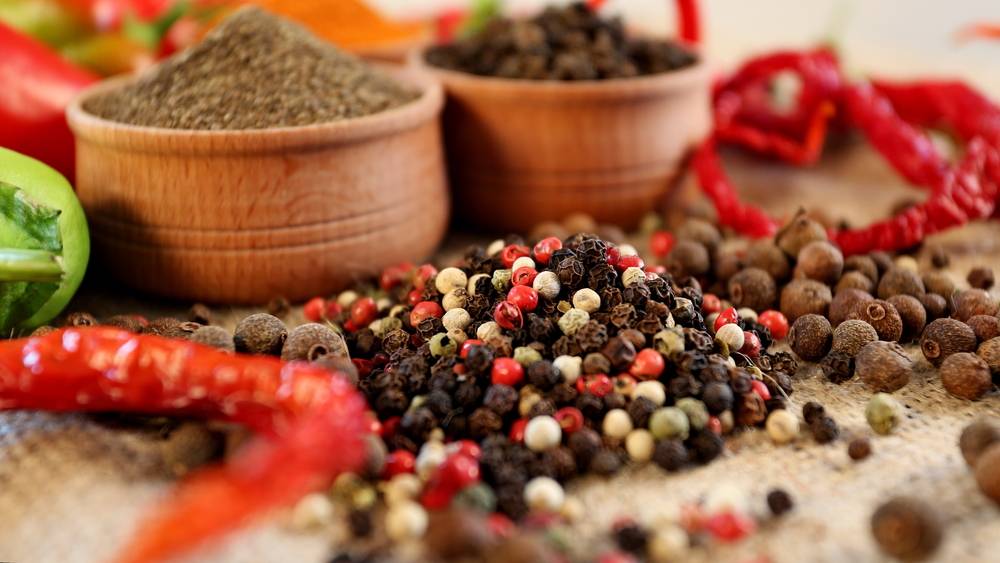
It pairs especially well with ingredients like garlic, ginger, sesame, citrus, dill, parmesan, chili crisp, and warm spices. White pepper can help bridge these flavors together so the final product feels cohesive rather than disjointed.
This approach works especially well in:
- Global-inspired seasoning blends
- Premium snack coatings
- Marinades and meat rubs
- Sauce systems and compound butters
Bring a More Global Feel to Everyday Products
White pepper has long been used in cuisines around the world, which makes it an easy way to add authenticity and global influence to modern products.
It works especially well in:
- Asian-inspired noodles and rice dishes
- Dumpling fillings and broths
- European-style sauces and spreads
- Seafood applications
- Fusion products that combine multiple culinary influences
For brands looking to make products feel more modern, globally inspired, and premium, white pepper can be a surprisingly versatile tool.
Let NuSpice Help You Bring the Heat to Your Products
White pepper may be subtle, but its impact is anything but. As consumers continue to move toward cleaner heat, more refined flavor systems, and globally inspired products, white pepper is proving to be a powerful tool for innovation.
At NuSpice, we help brands take ingredients like white pepper and turn them into thoughtfully developed seasoning blends that deliver depth, balance, and a more elevated flavor experience. Whether you are building a premium snack, a globally inspired prepared meal, a sauce, a dip, or a better-for-you product, white pepper can help create the kind of subtle complexity today’s consumers are looking for.
Ready to explore how white pepper can enhance your next product? Connect with the team at NuSpice to start developing custom flavor solutions that bring warmth, sophistication, and standout flavor to your lineup.