
May is National Barbecue Month, and there is no better time to talk about why barbecue flavors continue to dominate menus, retail shelves, and product innovation pipelines. As grills are uncovered and patios come alive, consumers are looking for flavors that feel both familiar and exciting.
Barbecue remains one of the most recognizable and craveable flavor profiles, but today’s consumers want more than traditional sweet-and-smoky sauces. They are gravitating toward sweet heat, regional barbecue styles, global mashups, and restaurant-inspired flavors they can recreate at home. We are seeing barbecue move far beyond ribs and pulled pork, showing up in chips, popcorn, sauces, nuts, frozen foods, plant-based proteins, and even cocktails.
At the same time, global influences are reshaping what consumers expect from barbecue. Korean BBQ, Jamaican jerk, Brazilian churrasco, Nashville hot, and Southwestern mesquite flavors are inspiring brands to create bolder, more distinctive seasoning blends that stand out in an increasingly crowded market.
While cooking methods and ingredients certainly matter, it’s the carefully crafted balance of spices, herbs, and flavoring components that transforms a simple cut of meat (or even plant-based alternatives into something crave-worthy. At NuSpice, developing custom barbecue seasoning blends is both an art and a science. By working closely with food manufacturers, product developers, and culinary teams, we help bring bold, distinctive BBQ flavor profiles to life.
The Flavor Foundations of Great BBQ Seasoning Blends
A standout BBQ seasoning blend is never one-dimensional. Instead, it’s a layered composition where each element plays a role in building depth, balance, and complexity. Understanding these foundational flavor components is key to crafting blends that resonate.
Sweetness
Sweetness often forms the backbone of many BBQ blends, especially in rubs and sauces designed for caramelization. Beyond taste, sweet ingredients like brown sugar and honey also enhance browning, helping to create that coveted crust on grilled or smoked foods.
Savoriness
Savoriness is what makes a seasoning feel hearty and satisfying. Common contributors include garlic, onion, and other aromatic elements that build a robust base. This layer ensures that the blend complements the natural flavors of proteins or plant-based ingredients rather than overpowering them.
Heat
Heat adds excitement and dimension, ranging from subtle warmth to bold, lingering spice. Whether you’re looking for a gentle kick or a more pronounced burn, the right level of heat can elevate a blend and make it memorable. Consider cayenne for immediate impact, black pepper for a slow-building warmth, or crushed red pepper for textural interest.
Tanginess
Barbecue can be heavy and fatty. Acidity is the knife that cuts through that richness. Utilize acidulants like citric acid, malic acid, or dehydrated vinegar powders to provide a bright, sharp contrast that lifts the entire flavor profile.
Smokiness
Even when foods aren’t traditionally smoked, seasoning blends can evoke that signature flavor. This note adds depth, warmth, and a sense of authenticity that consumers strongly associate with barbecuing. A popular way to achieve this smokiness in BBQ seasonings is by adding smoked salts, smoked paprika, or natural smoke distillates.
Umami Notes
Umami is the subtle yet powerful element that ties everything together. By using ingredients like yeast extracts, mushroom powders, and tomato solids, you can enhance the seasoning’s overall flavor perception, making the blend taste fuller and more satisfying.
Regional BBQ Flavor Profiles & How They Influence Blend Creation
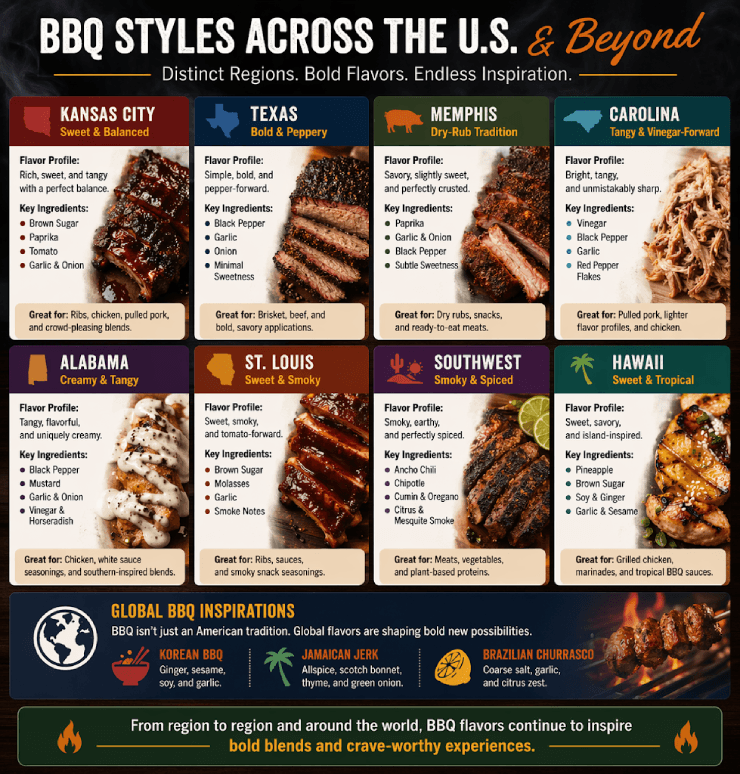
Barbecue is fiercely regional, with distinct flavor traditions shaped by local ingredients, cooking techniques, and cultural influences. These regional profiles play a major role in how BBQ seasoning blends are developed and positioned.
Kansas City
Known for its rich, sweet, and tangy flavor profile, Kansas City barbecue is all about balance. These BBQ seasoning blends rely heavily on brown sugar and paprika, and the result is an approachable, crowd-pleasing flavor.
Texas
Texas barbecue leans into simplicity and boldness. A focus on robust, peppery notes combined with undertones of garlic and onion creates a strong, confident profile that resonates with consumers who prefer less sweetness and more intensity.
Memphis
Memphis barbecue is known for its dry-rub approach, where paprika, garlic, onion, black pepper, and subtle sweetness create a flavorful crust without relying heavily on sauce. These profiles work especially well in snack seasonings, meat rubs, and ready-to-eat applications.
Alabama
Alabama barbecue is best known for its tangy white sauce, traditionally made with mayonnaise, vinegar, black pepper, and horseradish. For seasoning blends, this can translate into black pepper, mustard, garlic, onion, vinegar powders, and a creamy tangy flavor profile that works especially well on chicken.
St. Louis
St. Louis barbecue tends to lean sweeter and smokier, often featuring tomato-forward sauces with brown sugar, molasses, garlic, and smoke notes. These blends can work well for ribs, sauces, and even smoky snack applications.
Southwest
Southwestern barbecue flavors often incorporate ingredients like ancho chili, chipotle, cumin, oregano, citrus, and mesquite smoke. These blends bring a smoky heat and earthy complexity that works well for meats, vegetables, and plant-based proteins.
Hawaii
Hawaiian-inspired barbecue profiles can bring a sweeter, tropical twist through ingredients like pineapple, brown sugar, soy, ginger, garlic, and sesame. These flavors work particularly well in sauces, marinades, and grilled chicken applications.
Carolina
Carolina barbecue is defined by its tangy, vinegar-forward character. Seasoning blends inspired by this region often emphasize brightness and acidity for a lighter, sharper flavor profile.
Global BBQ Inspirations
Global BBQ profiles are increasingly shaping modern seasoning development. We are seeing a surge in demand for Korean BBQ (ginger, sesame, soy), Jamaican Jerk (allspice, scotch bonnet, thyme), and Brazilian Churrasco (coarse salt and citrus). These inspirations allow brands to create unique, globally influenced offerings that stand out in a competitive market.
How Texture, Cooking, and Application Methods Impact Flavor Performance
Flavor is only half the battle; performance is the other. The physical properties of a seasoning blend must match how the end consumer will use it.
Texture
A finely milled blend may provide even coverage and consistent flavor, while a coarser blend can create bursts of intensity and a more artisanal look. The right texture depends on the intended application and desired consumer experience.
Cooking Methods
Cooking methods—whether grilling, smoking, roasting, or baking—further influence how flavors develop. High heat can intensify certain notes, while slow cooking allows flavors to meld and deepen over time. Understanding these dynamics allows you to create a BBQ seasoning blend that performs consistently in its intended application.
Application Methods
Pre-cook rubs, marinades, injections, and post-cook dustings all require different formulation strategies. A dry rub needs strong adhesion, even coverage, and heat-stable ingredients that can hold up during grilling or smoking. Injection systems require seasonings to be highly soluble so flavors distribute evenly throughout the protein without clogging equipment. Post-cook dustings, on the other hand, need to deliver immediate flavor impact, bold visual appeal, and strong cling to the finished product.
Understanding how a seasoning will be used is critical to creating a blend that performs consistently in the real world. A great flavor profile means very little if it burns too quickly, fades during cooking, or fails to stick properly to the end application.
Where BBQ Flavors Are Showing Up Beyond the Grill
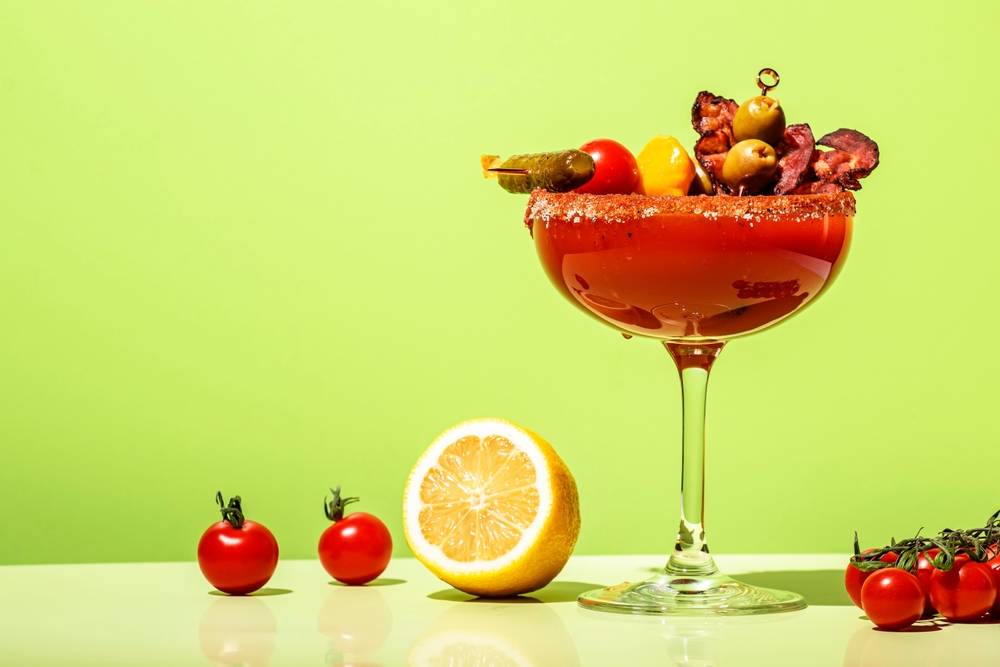
Barbecue flavors are no longer limited to ribs, brisket, and pulled pork. Today, smoky, sweet, tangy, and spicy BBQ profiles are showing up in potato chips, popcorn, nuts, sauces, dips, frozen appetizers, meat snacks, and plant-based proteins. Even beverages are getting in on the trend, with barbecue-inspired bloody mary rims, smoked cocktail syrups, and sweet heat flavor combinations appearing in both alcoholic and non-alcoholic drinks.
For brands, this creates an opportunity to think beyond traditional applications and bring bold BBQ flavor into entirely new categories. That flexibility is one of the reasons barbecue continues to remain such an enduring and adaptable flavor profile.
Clean-Label BBQ Solutions
As consumer preferences continue to evolve, clean-label solutions have become increasingly important in seasoning development. The good news is that it is possible to create masterpieces without relying on synthetic additives.
For example, through thoughtful formulation using ingredients like tomato powder, mushroom powder, yeast extracts, citrus powders, smoked salts, smoked paprika, and other spices as carriers, you can deliver that signature smokiness and depth in your seasoning blend. This allows your seasoning to remain authentic while still providing the tanginess, smokiness, umami, and overall flavor complexity consumers expect from barbecue, all while meeting modern clean-label demands.
You can also reduce sodium without sacrificing flavor by balancing other taste elements, such as sweetness, tanginess, and umami. Overall, clean-label BBQ seasoning blends not only meet consumer expectations but also create opportunities for differentiation in a crowded marketplace.
Whether you are developing a regional barbecue sauce, a globally inspired dry rub, a smoky snack seasoning, or a plant-based application, the right seasoning blend can make all the difference.
Fire Up Your Next BBQ Seasoning Project
Are you a retail brand launching a new line of rubs, a snack manufacturer developing a smoky mesquite chip, or a foodservice provider looking for a signature house seasoning? Your success depends on the science behind the spice, so partner with NuSpice right away.
Our team of culinary scientists and flavor experts works as an extension of your R&D department. We understand the nuances of heat stability, shelf-life, and regional preferences, allowing us to craft innovative, high-impact BBQ seasoning blends tailored specifically to your audience.
This National Barbecue Month, don’t settle for good enough. Work with our team to create a flavor profile that captures the spirit of the season and keeps your customers coming back for seconds.