
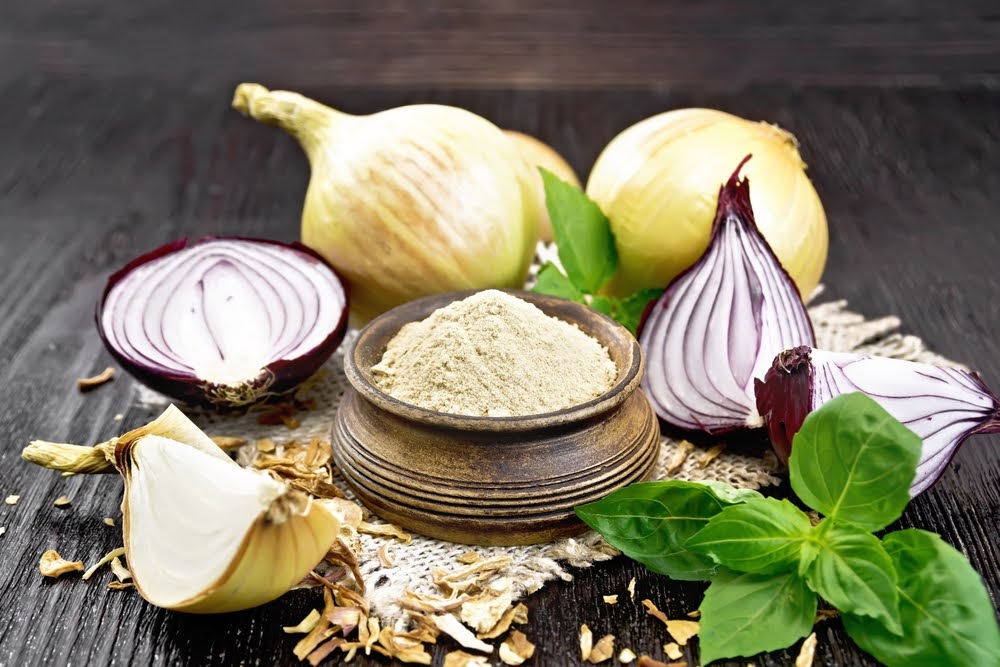
There’s a specific moment in cooking that signals dinner is near — that first hit of warm aromatics as garlic and onion meet heat. In product development, we recreate that moment every day, not through whole bulbs or chopped produce, but through dehydrated alliums that behave like both spices and vegetables. Onion and garlic exist across a spectrum of mesh sizes, from powders to granulated, minced, sliced and chopped formats. Each behaves differently in a formula, dictating solubility, flavor release, hydration, and visual texture. They don’t just provide flavor notes — they provide flavor structure.
Whether you’re developing snacks, sauces, rubs, plant-based proteins, ready meals, or the next viral seasoning blend, understanding onion and garlic powders isn’t just helpful…it’s essential. After all, they are the Batman and Robin of the spice rack, and frankly, they deserve a standing ovation as the foundations of savory flavor.
Understanding Alliums: Botanical, Functional, and Sensory Drivers
Before talking about powders and mesh selection, it’s worth understanding what garlic and onion actually are. Both belong to the allium botanical family, a group of sulfur-rich vegetables that includes shallots, leeks, scallions, and chives. Alliums are chemically unique because they contain organosulfur compounds that convert into aroma molecules when cut, crushed, heated, or dried. That sulfur chemistry is responsible for the sweetness of sautéed onions, the warmth of roasted garlic, and the deep savory trigger behind so many seasoning blends.
This is why garlic and onion hold a dual identity in the food world. In culinary terms, they behave like vegetables, contributing sweetness, browning, and body. But once dehydrated and milled, they behave like spices, delivering concentrated aroma and umami-rich impact without adding moisture. That hybrid identity — part vegetable, part spice — is why they are foundational to nearly every savory cuisine on earth. Dehydration simply amplifies that role, removing water and concentrating solids so a small dose of granulated garlic or onion powder can shape a sauce, reinforce salt perception, or soften harsh acidity in a rub.
Alliums are also central to how consumers perceive “cooked” flavor. Their glutamic acid content contributes umami — the taste that reinforces protein density and encourages repeat eating. It’s the quiet reason ranch tastes nostalgic, BBQ tastes smoky, Alfredo tastes warming, and savory snacks are so hard to stop eating. Consumers may not think about alliums consciously, but they crave what alliums do: they signal familiarity, comfort, appetite, and emotional warmth.
Three Roles, One Ingredient: Vegetable, Spice, and Umami Base
One of the reasons alliums are indispensable in product development is that they don’t serve a single role. Depending on format and application, garlic and onion shift identities across three functional lanes.
They can behave like vegetables, supplying natural sweetness, browned notes, body, and cooked aromatics — the same contribution you expect from sautéed onions or roasted garlic. That sensory “cooked” signal is why alliums appear early in sauces, soups, gravies, protein systems, stuffing blends, and frozen entrées.
They can also function as spices, especially in powder and granulated formats, where they deliver immediate aromatic lift, pungency, and concentrated flavor without water activity. In dry blends, rubs, snack dusts, emulsified oils, and dredges, garlic and onion operate more like high-impact flavor drivers than vegetables.
And in many formulations, they act as umami-building base notes, reinforcing mid-palate savoriness, enhancing salt perception, filling in flavor “gaps,” and helping fat, dairy, heat, and acid integrate properly. In plant-based systems, reduced-sodium platforms, and modern fusion blends, alliums anchor the savory architecture the same way glutamates and stock reductions do in classic cuisine.
This ability to move between vegetable, spice, and umami foundation makes dehydrated garlic and onion some of the most versatile raw materials in commercial flavor engineering.
Allium Umami: The Engine of Savory Craveability
Because alliums influence salt, sweetness, umami, fat perception, and even heat, they act as the structural architecture beneath countless seasonings and protein applications. Onion and garlic are naturally rich in glutamic acid, and dehydration intensifies that by removing moisture and concentrating savory compounds. The result is not a single flavor note, but a deep umami base that reinforces protein character, fills in the “middle” of a formula, and encourages snackability.
This is why a bag of seasoned chips disappears quickly, why a plant-based burger tastes more satisfying when garlic is bloomed in fat, and why a ready-meal sauce achieves roundness with just a touch of onion powder. Umami drives appetite — and dehydrated alliums are a clean-label umami engine.
Mesh Size: The Real Formulation Toolkit
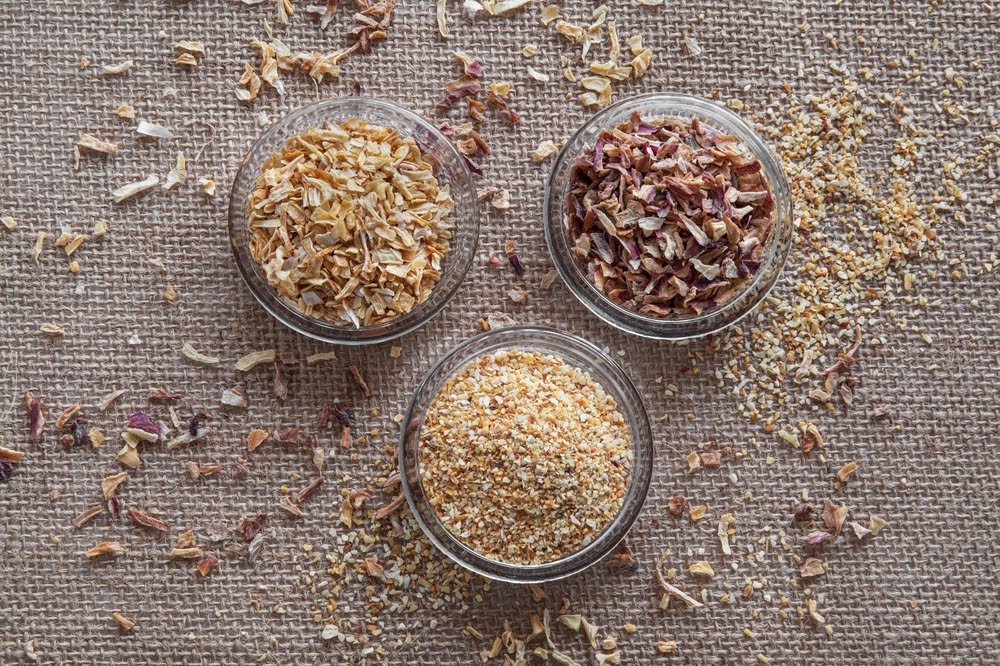
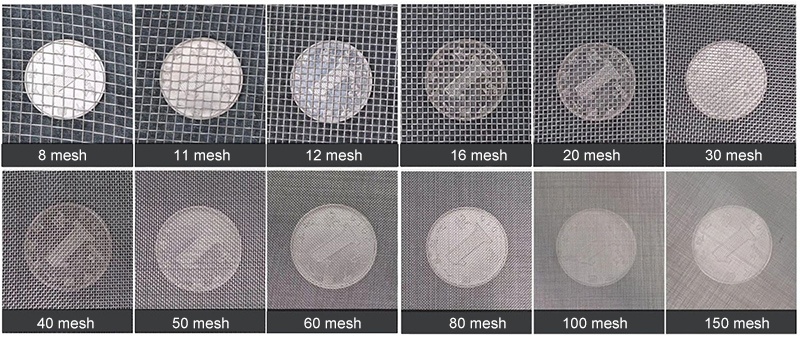
Where garlic and onion truly become functional is in their format. Powders dissolve instantly and reinforce the immediate savory foundation of sauces, snack dusts, emulsions, and slurries. Granulated formats add body and slower release, ideal for rubs, dredges, coating systems, seasoning oils, and blended fats. Minced and chopped formats provide visual identity and aromatic chew — perfect for stuffing mixes, plant-based textures, rubs, coatings, and anything that benefits from particulate character.
Formulators choose mesh size intentionally to control hydration, fat absorption, thermal tolerance, and flavor release curves. Garlic and onion aren’t ingredients you “add” — they are variables you engineer.
Rebuilding Aromatics and Why Developers Use Allium Oils & Extracts
Dehydration makes garlic and onion incredibly functional, but it also changes their aromatic fingerprint. When moisture is removed, many of the volatile sulfur compounds responsible for sharp, fresh top notes are stripped away or flattened. Powders and granulates deliver body, umami, depth, and roundness, but they often lack the bright, pungent lift consumers associate with freshly chopped garlic or sizzling onions on the stove.
That is where essential oils, oleoresins, and natural extracts come in. These concentrated forms capture the volatile molecules most susceptible to heat loss and oxidation, the compounds that drive bite, bloom, lift, pungency, and freshness. When a developer adds a trace of garlic oil or onion oleoresin to a seasoning system, they are essentially restoring the top-end aromatic layer that dehydration mutes.
This becomes especially important in snacks, sauces, dips, plant-based proteins, and global spice blends where a product must taste “fresh-cooked” even after extrusion, frying, retort, or long ambient storage. The dry formats supply the savory chassis; the oils supply the aromatic identity.
In practice, most formulators don’t choose between oils and powders; they use them together. A granulated garlic might support mid-palate umami in a barbecue seasoning, while a micro-dose of garlic oil provides the warm, sharp lift the nose expects when the package opens. Onion powder may fill in sweetness and body in a creamy dip base, while onion extract adds that just-cut snap that keeps the system from tasting flat.
This dual-format strategy also creates flexibility. Developers can tune heat stability, scale aromatics separately from solids, adjust sodium perception without altering texture, and meet label targets across natural or non-GMO platforms. More importantly, it lets a seasoning perform in multiple sensory dimensions at once — aroma on the nose, umami on the tongue, texture in the base, and freshness through the finish.
For modern savory design, the winning formula is rarely one-or-the-other. It’s garlic and onion in dry form for structure, and essential oils or extracts layered in for identity.
Onion vs. Garlic: Complementary, Not Interchangeable
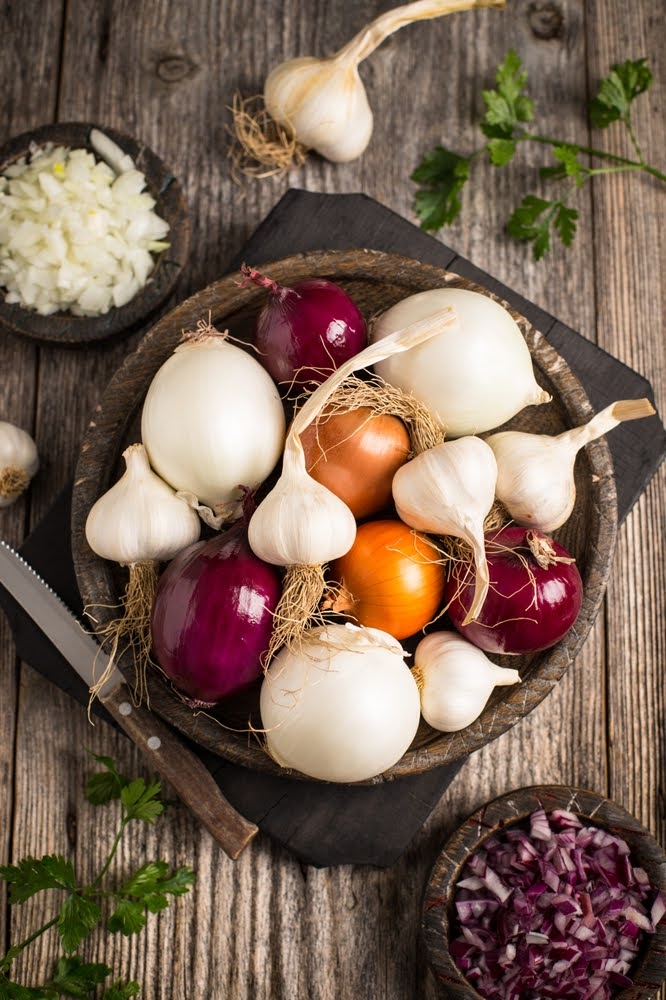
Even though both sit within the allium family, garlic and onion do not replace one another. Onion brings natural sweetness and rounded body; it smooths sharp acids and fills in the mid-palate. Garlic provides aromatic lift and sulfurous punch — it spikes the front end of a flavor system and reinforces savoriness.
Used together, they create layered depth: onion establishes warmth and balance while garlic provides the bloom. That’s why they anchor everything from ranch seasoning to tandoori blends, adobo to chili crisp, K-style BBQ to Alfredo sauces. They act as the familiar cues that make global blends approachable.
How to Get the Best Flavor Out of Onion & Garlic Powders
Onion and garlic powders may be simple ingredients, but the technique behind using them can dramatically enhance their impact.
- Bloom Them: One of the most effective ways to unlock their full aromatic potential is by blooming them in their natural form, heating them gently in fat or within a warmed mixture to release deeper, more expressive notes. Whether you’re developing a sauce, a seasoning oil, or a snack dust base, blooming enhances the powders’ perfume and rounds out their savory qualities.
- Layer Them: Instead of relying on a single addition, incorporating onion or garlic at multiple stages allows different facets of their flavor to emerge. Early additions lay a savory foundation, mid-stage additions provide warmth and integration, and later-stage additions preserve brighter, more volatile aromatics that lift the final profile.
- Pair Them: Onion and garlic powders adapt beautifully to an enormous range of ingredients, including herbs, peppers, fats, tomatoes, dairy components, smoke elements, and umami boosters. The direction you take these pairings determines whether your final creation feels comforting, bold, spicy, or creamy.
Cross-Category Performance in Modern Manufacturing
Dehydrated alliums solve problems that fresh produce can’t. Fresh garlic sprouts, oxidizes, and fluctuates in pungency; onions bruise, rot, and vary in sweetness. Moisture introduces microbial variability and shortens shelf life. Dehydrated garlic and onion standardize intensity, improve safety, extend shelf stability from weeks into years, and protect sensory performance across thermal processing, extrusion, frying, and packaging environments.
Because they add flavor without moisture, alliums succeed in low-sodium systems, plant-based proteins, global fusion blends, snack dusts, bouillon, sauces, and ready-meals. They deliver emotional comfort while meeting industrial requirements.
The Blueprint Behind “New” Trends
Despite their ubiquity, onion and garlic are never ordinary. They rarely get top billing, but they make every other ingredient work harder. They provide the emotional recognition of home-cooked food, the savory backbone that supports heat and herbs, the bridge that makes unfamiliar flavors feel understandable. Hybrid vegetable. Hybrid spice. Functional carrier. Sensory scaffold. Alliums are the flavor system before the flavor system.
How NuSpice Builds Better Savory Systems
At NuSpice, we treat garlic and onion as engineered variables, not commodities. Mesh size determines whether a seasoning coats properly, whether a slurry clings to protein, whether an emulsion blooms as expected, or whether a frozen entrée reheats with integrity. Sourcing affects sweetness curves and sulfur lift. Micro-specifications affect consistency for national accounts. These details separate a blend that’s “fine” from one consumers reorder.
Every viral flavor still begins with savory architecture. Every global adoption still requires allium familiarity. And every product chasing craveability — snacks, sauces, plant-based systems, QSR-style meals — should engineer garlic and onion early, not retrofit them late. If you want the next great flavor to land, start with the foundation. Let us help you shape it. Contact us today to get started!