
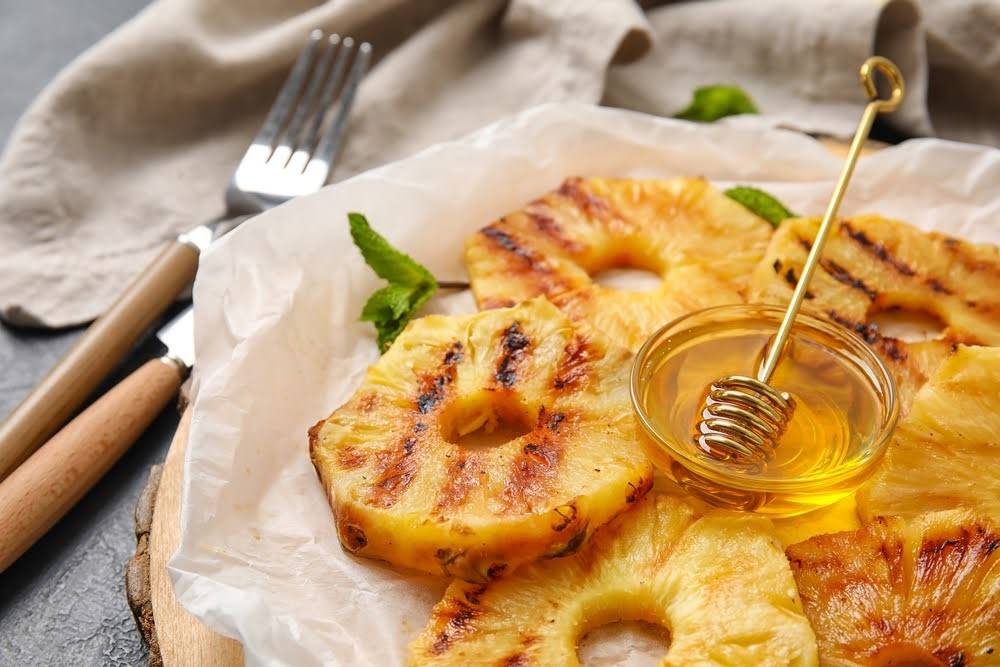
Once reserved for skewers or a finishing garnish, grilled pineapple has grown into a flavor-forward ingredient with serious culinary range. Today, it shows up layered into proteins, folded into sauces, and reimagined in snacks, rubs, and globally inspired menu concepts. For food manufacturers and product developers, grilled pineapple represents something even bigger: a perfect example of how sweet and savory contrasts can drive craveability.
Grilled pineapple isn’t just a seasonal indulgence anymore. It’s a versatile flavor that hints at the bold, unexpected journey ahead. At NuSpice, we work with brands to harness the fruit-forward brightness of pineapple while pairing it with spices that make it a yearly staple.
Why Grilling Pineapple Changes Its Flavor Profile
Pineapple is already a complex fruit, balancing sweetness with acidity and subtle tropical aromatics. But once it hits the grill, its personality shifts in a way that adds depth and excitement.
Raw pineapple contains bromelain and high levels of citric and malic acids, which can sometimes feel sharp on the tongue. Grilling mellows this aggression. As the water evaporates, the sugars concentrate, and the heat breaks down those sharp acids, resulting in a smoother, more rounded sweetness.
As the sugars caramelize, they develop notes of butterscotch, honey, and even toasted nuts. The edges also char slightly, introducing a hint of bitterness and smoke that adds structure and contrast.
This transformation means that grilled pineapple no longer competes with proteins or bold spices; it complements them. Its sweetness softens heat, its acidity brightens fat, and its smoky undertones echo the flavors consumers already associate with grilled meats and fire-kissed cooking.
For product developers, this means pineapple can play a more serious role. It’s not just a fruity accent; it becomes an integrated flavor that adds depth without overpowering the dish.
The Science Behind Pineapple: Enzymes, Tenderization & Heat Reactions
Beyond its bright acidity and tropical aromatics, pineapple brings a fascinating functional advantage to product developers: its natural enzymes actively tenderize meat. As mentioned, pineapple contains bromelain, a proteolytic enzyme that breaks down muscle fibers and connective tissue. When incorporated into marinades, glazes, or injected solutions, bromelain helps proteins become softer, juicier, and more yielding—a powerful tool for value-added meat processors. Even in dry seasoning systems, pineapple powders or extracts can contribute mild tenderizing effects depending on concentration and processing.
But here’s where grilled pineapple becomes even more interesting.
When pineapple hits the grill, two things happen simultaneously:
1. Heat Neutralizes Bromelain (Changing Its Functional Role)
Bromelain begins to denature around 158°F (70°C), meaning once pineapple is grilled, the enzyme deactivates. It no longer tenderizes—but this creates a cleaner slate for flavor development. Instead of competing with enzyme activity, grilled pineapple becomes purely a flavor carrier, offering deeper caramelized notes without continuing to break down proteins.
2. Grilling Triggers Complex Chemical Reactions Your Consumers Can Taste
The grill introduces multiple noteworthy transformations:
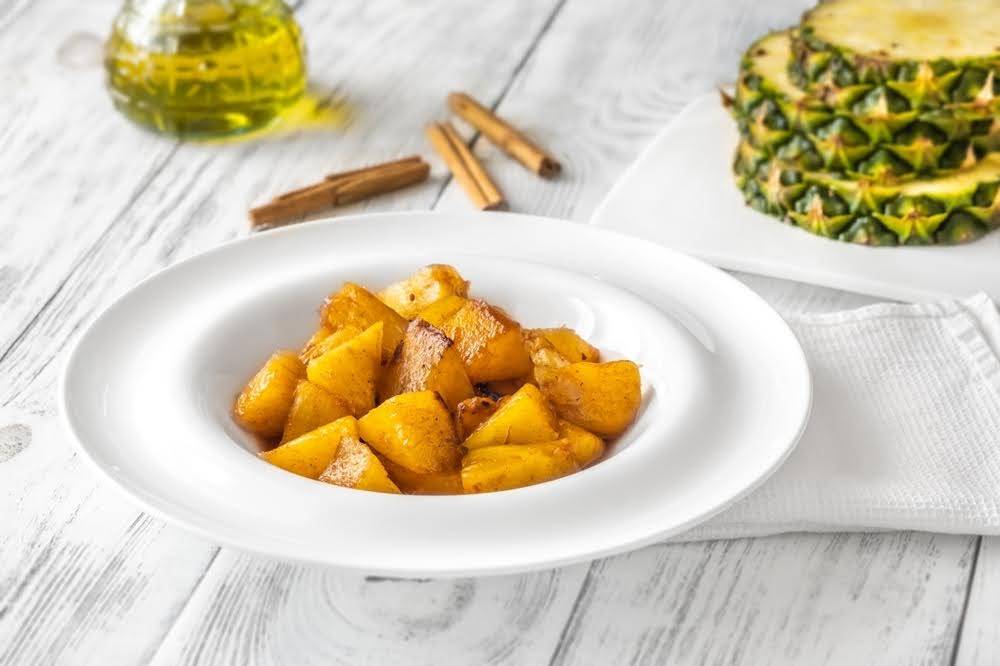
- Caramelization:
Natural sugars break into smaller, more volatile compounds, creating flavors reminiscent of butterscotch, toffee, and caramel. - Maillard Browning (in trace amounts):
Pineapple is low in proteins, but minimal amino acid interactions occur at high heat, adding subtle roasty, nutty top notes. - Char Formation:
Controlled charring introduces bitter + smoky flavor contrasts that tether pineapple more firmly to savory applications. - Moisture Loss & Concentration:
Water evaporates, concentrating sugars and aromatics, which intensifies pineapple’s ability to cut through fat and amplify spice.
These reactions are why grilled pineapple tastes dramatically different from raw pineapple — not just sweeter, but more complex, structured, and savory-friendly.
Why This Matters for Product Developers
For manufacturers and innovation teams, this science unlocks opportunities:
- Use raw pineapple or bromelain-containing ingredients strategically in marinades, brines, or pre-cook systems for tenderization.
- Lean on grilled pineapple flavor profiles when seeking complexity without functional enzyme activity.
- Combine charred pineapple with chiles, alliums, or umami agents for multi-layered blends that read premium and globally inspired.
- Replace multiple ingredients (acid + sugar + smoke) with a single concentrated grilled pineapple note that delivers all three.
The Role of Sweet-Savory Contrast in Menu Development
Today’s consumers crave flavors that surprise them, challenge expectations, and keep each bite interesting. Sweet-savory combinations check all of those boxes, especially when they feel intentional rather than gimmicky.
Grilled pineapple fits perfectly into this trend. It bridges indulgence and freshness, comfort and creativity. When paired with chili heat, garlic, onion, or umami-rich spices, pineapple doesn’t read as dessert; it reads as a bold, globally inspired flavor.
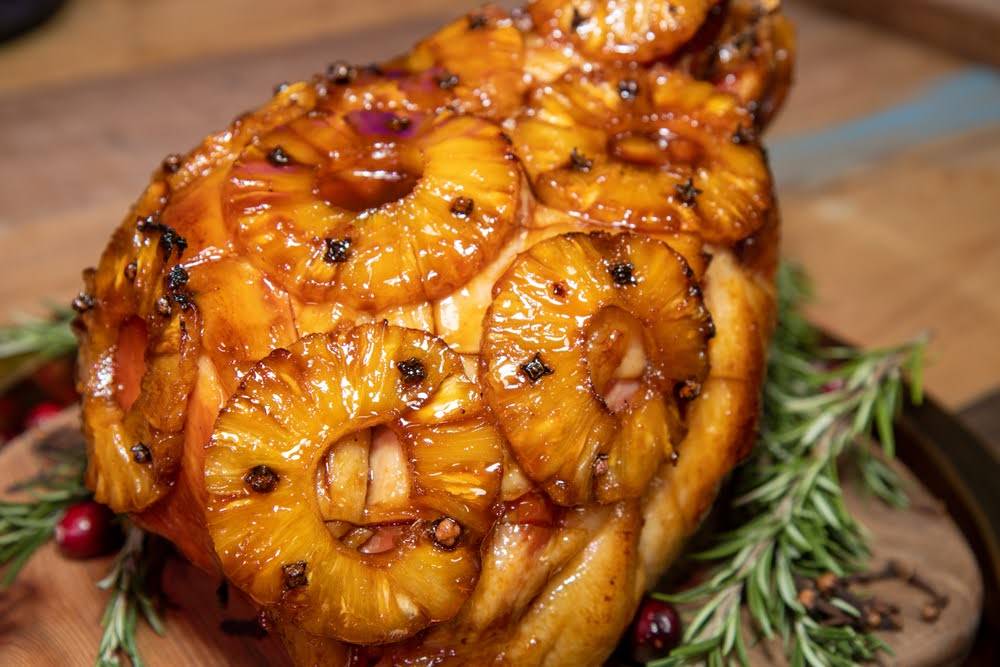
From a formulation standpoint, pineapple’s natural brightness can help balance richer components, reduce perceived heaviness, and extend flavor appeal across different applications. Plus, instead of adding five different ingredients to a sauce to get smoke, acid, and sugar, a single grilled pineapple profile can do the heavy lifting. It’s a sophisticated way to deliver a multi-dimensional flavor system that feels both nostalgic (think: backyard BBQs) and premium (think: artisanal charring).
Popular Applications for Grilled Pineapple-Inspired Flavors
As grilled pineapple has moved beyond the grill itself, its influence has spread across categories. In fact, brands are finding creative ways to channel its flavor profile without relying on fresh fruit.
Proteins
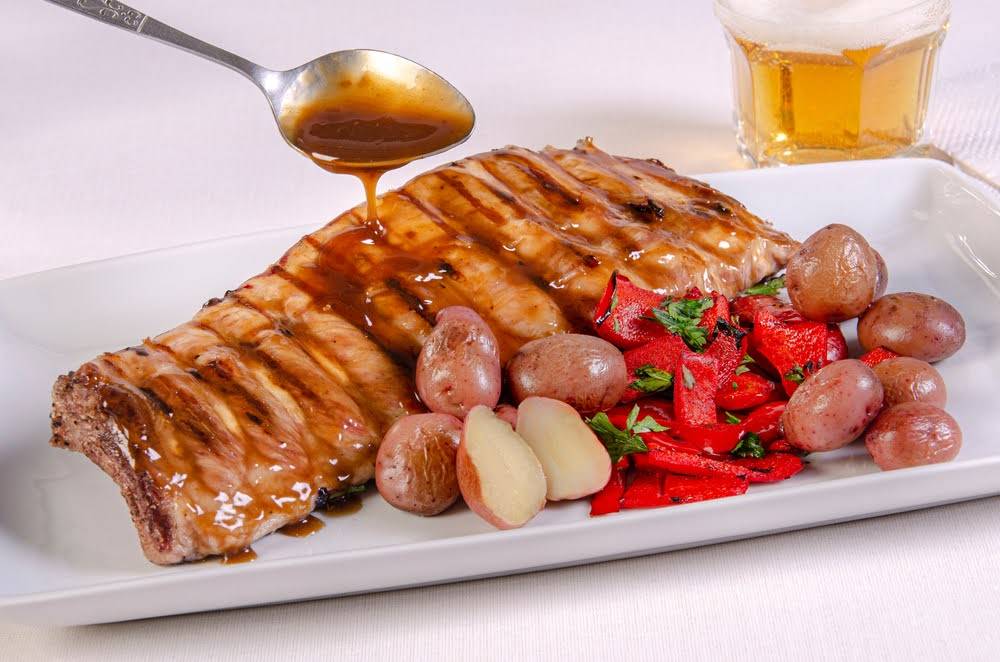
In protein applications, grilled pineapple pairs naturally with pork, chicken, and seafood, adding sweetness that enhances browning and offsets savory richness. It’s equally compelling alongside beef when supported by smoke-forward spices and subtle heat.
Sauces and Glazes
Pineapple-inspired flavors bring body and brightness to barbecue sauces, finishing glazes, and marinades, especially when layered with chili, ginger, or garlic for depth.
Snack Foods
Snack applications have also embraced grilled pineapple’s flavor cues. Seasonings inspired by smoky-sweet pineapple show up on nuts, snack mixes, and better-for-you chips, delivering a sense of indulgence without feeling heavy.
Plant-Based Applications
Because of its fibrous texture and ability to hold onto savory seasonings, grilled pineapple is being used as a core component in plant-based steaks or as a topping that adds a fleshy mouthfeel to vegan burgers.
Turning a Seasonal Flavor Into a Year-Round Staple
One of the greatest strengths of grilled pineapple is its emotional connection to summer. It makes people think of outdoor cooking, shared meals, and a relaxed, celebratory mood. The challenge — and opportunity — for manufacturers is translating that feeling into products that perform all year long.
This is where thoughtful flavor development matters. By focusing on pineapple’s caramelized, smoky qualities rather than its raw sweetness, brands can create profiles that feel grounded and versatile. And with the right supporting notes, pineapple shifts from a summer favorite to a year-round craving.
Consider pairing grilled pineapple flavors with these staples to get the most out of your product:
- Black Garlic & Charred Pineapple: The fermented, balsamic-like notes of black garlic ground the fruit’s sweetness, creating a sophisticated glaze for short ribs or root vegetables.
- Smoked Sage & Bourbon: Pairing the fruit with woodsy herbs and the oaky warmth of bourbon creates a profile that feels right at home on a winter holiday menu.
- Miso & Char: The salty, fermented funk of miso creates an addictive salty-sweet profile that works wonders in plant-based jerky or frozen entrées.
- Ancho & Coffee: The dark, raisin-like notes of ancho chilies and the bitterness of coffee grounds provide a dark contrast to the bright pineapple, perfect for a high-end dry rub.
Bring Bold Flavor Ideas to Life With NuSpice
At NuSpice, we partner with food manufacturers, product developers, and research chefs to turn flavors like grilled pineapple into scalable, high-impact seasoning solutions. Our collaborative approach helps translate inspiration into blends that deliver consistency, complexity, and bold flavor across applications.
Whether you’re exploring a grilled pineapple-inspired concept or looking to add sweet-savory contrast to your next product launch, our product development team is ready to help you bring it to life. Let’s create something crave-worthy together. Contact us today to get started!