
Look around the grocery aisles, and you will see 85% cacao bars sitting next to milk chocolate, Italian amaro spritzes replacing sugary sodas, and matcha lattes, roasted vegetable snacks, and complex, botanical-heavy beverages taking center stage. Over the last decade, we’ve watched Americans proudly sip Aperol Spritzes in daylight, trade sugary cocktails for bright herbal bitterness, and embrace low-ABV beverages as a lifestyle shift. That single drink did more than trend on Instagram — it helped normalize a bitter–sweet flavor profile for the mainstream palate.
The truth is, the consumer palate has grown up. Plain old sugary sweet isn’t just boring anymore; it feels a little immature. Today’s savviest eaters and drinkers are chasing something more elusive and infinitely more satisfying: complexity.
At NuSpice, we live at the intersection of challenging flavors and mass appeal. We know that winning the modern consumer isn’t about hitting them over the head with sweetness or savoriness; it’s about creating a dynamic tasting profile. And right now, nothing drives that journey quite like the masterful pairing of bitter and sweet.
Let’s take a closer look at why bittersweet pairings are gaining popularity and how your brand can leverage them.
Why We Crave Bittersweet Flavors
Nobody likes their first sip of coffee or enjoys their first taste of beer or their first bite of pure dark chocolate. These are acquired tastes. Coffee may be the single most important flavor training-wheel in Western culture; it conditions us from adolescence into adulthood to tolerate bitterness, then to crave it. Over time, consumers don’t just accept coffee’s sharpness — they begin romanticizing it. That shift made room for dark chocolate adoption, hoppy beers, amaro, functional sodas, and botanical-forward beverages.
In fact, the embrace of bitterness has almost become a rite of passage. It signals a shift from the childhood need for instant, easy gratification (pure sugar) to an adult appreciation for nuance. When a consumer chooses a bittersweet profile, they are subconsciously choosing to be challenged by their food.
The “Earned” Indulgence
When eating bittersweet foods, there is a psychological reward system at play. Pure sweetness feels easy, sometimes even cheap. But when sweetness is tempered by a bitter counterpart, the enjoyment feels “earned.”
Think about an Affogato. The intense, almost aggressive bitterness of the espresso makes the sweet creaminess of the gelato taste infinitely better than if you just ate the gelato plain. You have to work through the bitter flavor to get the reward of the sweetness, and that friction makes the payoff way more satisfying.
The Interaction With Different Taste Buds
Beyond the psychological aspect, there is a physiological response to the collision of sweet and bitter.
Sweetness and bitterness are perceived by different receptors, and they operate on different timelines. Sweetness is usually a front-loaded sensation, meaning it hits fast and fades relatively quickly. Bitterness, however, is a slow burn. It registers later, often on the back of the tongue, and lingers long after the swallow.
When you combine them perfectly, you create a flavor profile with a beginning, a middle, and an end. It’s a story rather than a soundbite.
The Cure for Palate Fatigue
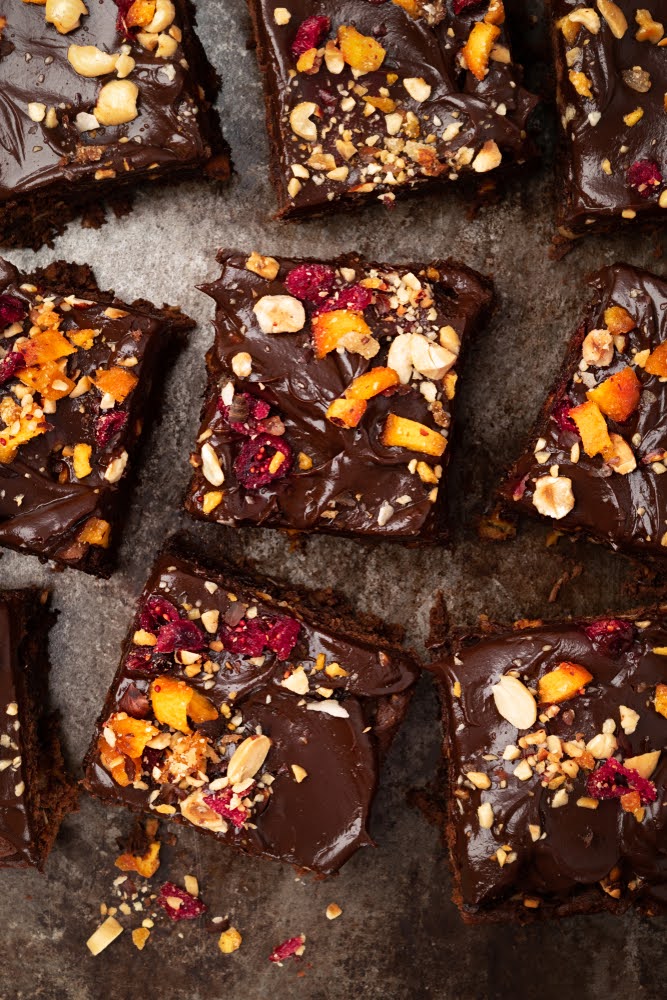
We’ve all experienced this: you’re eating something incredibly decadent, like a super-sweet fudge brownie. The first bite is amazing. The third bite is okay. By the fifth bite, you’re done. Your sweet receptors have tapped out, and the food is now cloying and monotonous.
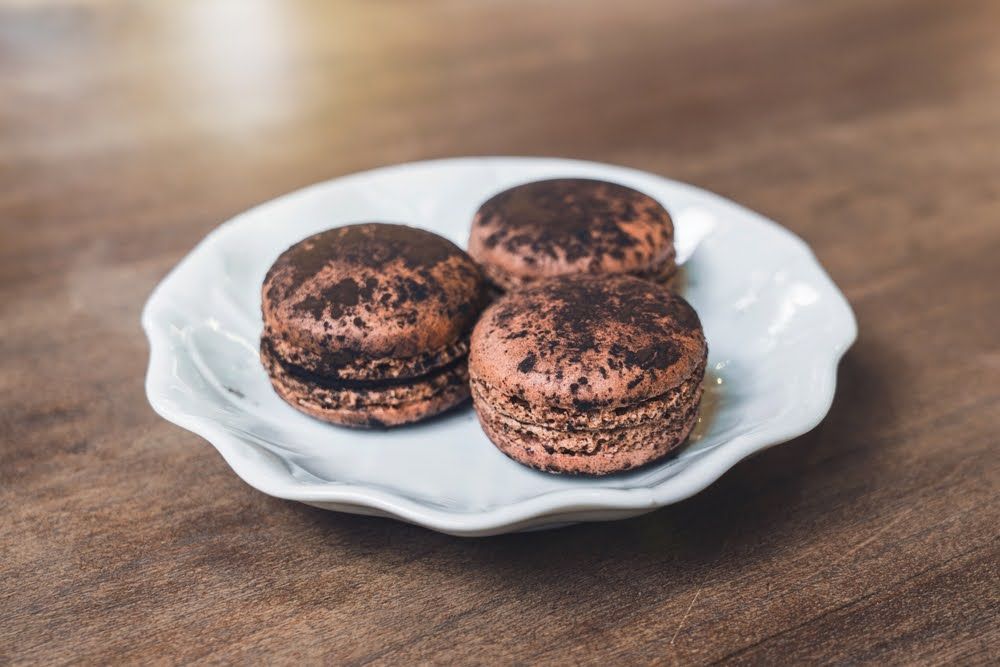
Bitterness acts as a palate cleanser. It cuts through the heaviness of sugar and fat, resetting the taste buds and readying them for the next bite. It also introduces contrast. A bitter element — like walnuts in that brownie, or a dusting of espresso powder on a macaron — keeps the sweetness in check. It ensures that the last bite is just as intriguing as the first.
If you want consumers to finish the whole bag, bottle, or bar, you need bitterness to keep them engaged.
The Health Halo Effect
For decades, we’ve associated bitterness with good-for-you ingredients and products, such as medicine, kale, herbs, cranberries, black coffee, and more. Therefore, if a food or beverage has a distinct bitter backbone, the modern health-conscious consumer subconsciously assumes it must be doing something good for them.
This creates the holy grail of marketing: Permissible Indulgence. A consumer might feel guilty eating a milk chocolate candy bar at 3 PM. But a square of 72% dark chocolate with sea salt? That’s practically a health supplement.
By leaning into bittersweet flavor profiles, brands can offer products that taste indulgent but carry a health halo. This is evident in the explosion of functional sodas and tonics, botanical gins and non-alcoholic spirits, and dark leafy greens used in snacking.
Consumers want to treat themselves, but they want to feel smart doing it. Bittersweet flavors deliver that feeling on a silver platter.
Aperol Spritz: A Bittersweet Pioneer in the U.S.
The Aperol Spritz didn’t just show up on U.S. menus — it revolutionized how Americans think about bitterness as a flavor category. Although Aperol itself was created in Italy in 1919 as a bitter apéritif, it wasn’t widely consumed outside Europe until the early 2000s. After Campari Group acquired the brand in 2003 and launched a deliberate global expansion campaign, the Spritz began to register on international radars as a recognizable, approachable bitter beverage.
By the early 2020s, that campaign paid off in a big way. Hospitality research shows that spritz sales at U.S. bars and restaurants tripled between 2022 and 2023, pushing the category into the top 10 most popular cocktails nationwide — a meaningful shift for a drink rooted in herbal bitterness and citrus complexity.
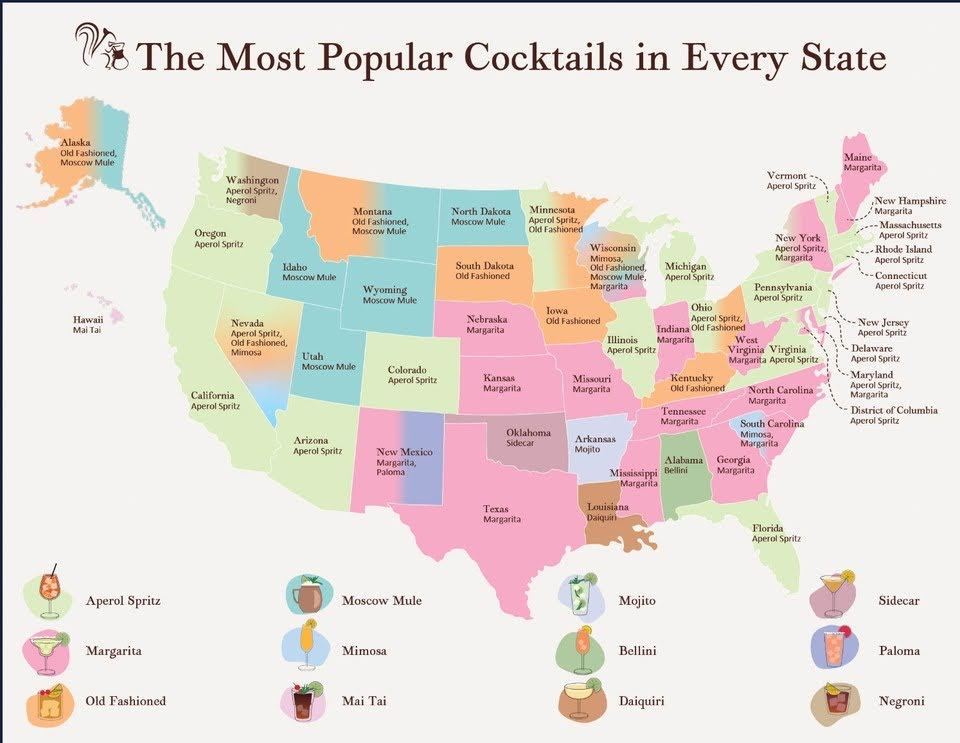
In fact, a 2024 study analyzing consumer search behavior found that the Aperol Spritz became the most searched-for cocktail across the United States, outranking perennial classics like the Margarita and Old Fashioned. It was the favorite cocktail in 22 out of 50 states, signaling mainstream familiarity and acceptance at an unprecedented scale for a bitter-forward drink.
This popularity reflects more than cocktail orders — it represents a cultural shift:
- Bitterness became socially desirable The Spritz reframed bitterness away from “harsh” or “adult only” into a refreshing, easy-drinking experience that’s photogenic, shareable, and ritual-friendly.
- Low-ABV sophistication caught on With its light alcohol content and bright citrus herbal profile, the Spritz fits perfectly into the modern consumer’s appetite for sessionable, layered flavors — not cloying sweetness.
- Spritz culture created a new bitter-sweet occasion The growth of Spritz serves as a gateway to other bitter beverages — from NA bittersweet aperitivos to botanical seltzers — helping normalize bitterness across drinking occasions.
In short, the Aperol Spritz did more than introduce a cocktail — it reshaped American palates, helping pave the way for the broader acceptance of complex, bittersweet profiles in beverages and beyond.
Bittersweet Pairings Consumers Love
We all know dark chocolate and coffee are the kings of bittersweetness. But if you want to create innovative flavorings, you need to look wider. The R&D world is currently playing with a fascinating toolbox of bitter agents that pair beautifully with sweet flavors.
The “New: Citruses
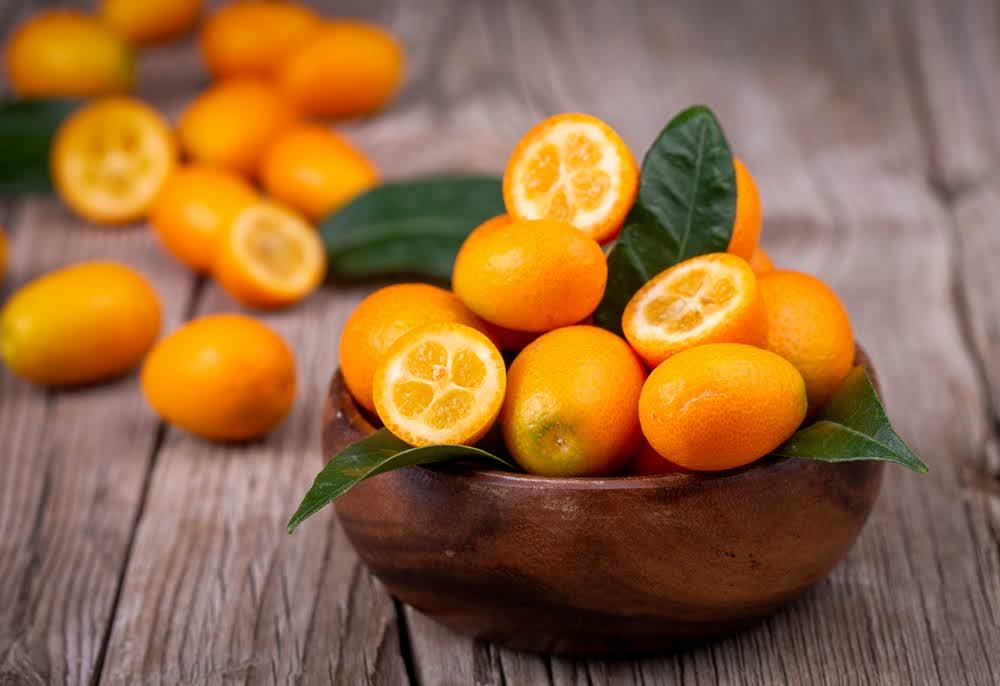
Forget standard lemon and lime. We are seeing a rise in citrus, where the bitter pith and peel are just as important as the sour juice.
- Yuzu: This citrus offers floral aromatics with a sharp, bitter bite that cuts through rich sweetness.
- Blood Orange & Grapefruit: These classics are perfect for beverages and confections where you want brightness with a brooding undertone.
- Kumquat: This fruit provides an immediate hit of a sweet peel followed by a sour-bitter flesh.
Burnt Sugar
Bitterness doesn’t always have to come from a plant toxin. It can come from your cooking technique, as well. Specifically, the line between “perfectly caramelized” and “burnt” is where the magic happens. For example, caramel has distinct bitter notes that prevent it from tasting just like syrup, while burnt honey, charred marshmallow, and deeply roasted nuts all provide that savory-bitter counterpoint to snacks and desserts that consumers love.
Botanicals
The matcha boom proved that Western palates are ready for grassy, earthy bitterness in their desserts. Now, we see this trend expanding with early grey (bergamot) flavors and Citra and Cascade hops when paired with creamy dairy and vanilla.
Future Bittersweet Pairings to Watch
As developers continue exploring how bitterness and sweetness interact, new pairings are emerging that feel both fresh and grounded.
- Blood orange with toasted spice brings warmth and brightness into harmony.
- Coffee with miso caramel creates an umami-driven bittersweet depth that feels chef-crafted.
- Cacao nib with blackberry offers a dark fruit counterpoint to roasted bitterness.
- Black sesame with honey brings earthy richness and delicate sweetness together in a way that consumers immediately recognize as modern.
- Burnt sugar with rosemary leans into both savory and sweet cues, delivering a culinary edge without losing approachability.
Embrace the Bittersweet Complexity
Bittersweet flavor pairings build depth, character, and emotional resonance. Across beverages, snacks, sauces, confections, frozen treats, and even seasoning blends, they create unforgettable experiences that keep consumers reaching for more.
If your next product is ready for a flavor profile that feels luxuriously layered, NuSpice can help you craft the perfect bittersweet balance. Our R&D team develops flavors that add richness, dimension, and unmistakable appeal, no matter the application. Contact us today to begin creating something extraordinary.