

Comfort food is no longer defined by a bowl of pasta or a warm slice of pie; it’s now a full-fledged flavor category reshaping how new products are imagined.
Today’s consumers aren’t looking for simple, single-note profiles. They want layered, familiar flavors that carry emotional weight. They want a protein bar that tastes like birthday cake, chips that taste like dill pickles, and nut mixes that recall the creamy, savory notes of mac ’n’ cheese. These aren’t novelty flavors anymore; they’re staples on shelves, signaling a shift in how people connect with food.
This trend has generated enough industry buzz that our own senior laboratory technician from Oakland, NJ, recently told Food Business News, “Nostalgia is a powerful force, and the food industry is leveraging it to create innovative new products.” Let’s take a moment to review this movement further.
Why Consumers Are Drawn to Comfort-Driven Flavors
Why, in an age of globalization and experimental cuisine, are consumers running back to the flavors of their childhood? The answer lies in the connection between our olfactory system, our limbic system, and our emotional well-being.
This resurgence isn’t happening in a vacuum. We’re living in an era marked by rising costs, constant digital stimulation, rapid innovation cycles, and information overload. In response, consumers are gravitating toward foods that restore a sense of predictability and control. Comfort-driven flavors deliver that familiarity, offering small but meaningful moments of relief throughout the day.
In this way, comfort flavors aren’t simply nostalgic; they’re adaptive. They act as emotional anchors, helping consumers feel grounded amid uncertainty. A familiar aroma or taste doesn’t just satisfy hunger — it delivers reassurance and stability, which feels increasingly valuable in today’s fast-paced world.
Today, consumers — particularly Millennials and Gen Z — report high levels of stress and digital fatigue. Familiar flavors provide emotional contrast, offering calm through recognizable tastes like cinnamon-sugar toast, savory cheddar blends, or creamy vanilla. These flavors connect to memories of simpler, safer moments and cherished rituals, reinforcing why comfort-driven eating has become a powerful form of everyday self-care. This is because comfort foods are associated with simpler, safer, and more predictable times and are often tied to cherished family gatherings or childhood memories.
This phenomenon, often referred to as nostalgic eating, is a powerful coping mechanism. When consumers reach for a comfort-driven snack, they are engaging in a small, reliable act of self-care that helps them feel grounded amid the chaos of constant information flow and change.
Familiar Flavors Also Reduce the Risk of Trying Something New
Comfort-driven flavors lower the barrier to discovery by giving consumers a recognizable anchor. Even when the product format, brand, or category is new, a familiar flavor creates immediate trust. Shoppers are far more likely to try something unfamiliar when the taste signals safety, reliability, and known enjoyment.
From a purchasing standpoint, familiar flavors reduce perceived risk at shelf. A snack seasoned with “loaded baked potato” or “cheddar mac” may sound bold, but those profiles are emotionally vetted. Consumers don’t need to imagine whether they’ll like it — they already know the experience. That confidence is what moves a product from curiosity to cart.
For brands, this means comfort flavors don’t limit innovation — they enable it. Familiar taste cues give consumers permission to explore new formats, global influences, or functional benefits without feeling overwhelmed or disappointed.
Plus, Comfort-Based Flavors Appeal to “Permissible Indulgence”

While modern consumers are highly focused on health and wellness, this doesn’t mean they’ve abandoned indulgence. Instead, they are looking for permissible indulgence: products that deliver the rich, satisfying flavor of comfort food but with a cleaner label or functional benefits.
Manufacturers can now turn comfort food into healthier alternatives, with less sugar and fat and more protein. For instance, they can create a high-protein yogurt that tastes like rich tiramisu or a nut mix that mimics the deep flavor of garlic bread, and consumers will eat it right up because the associated health benefits justify the indulgence.
How Comfort Foods Influence Flavor Innovation Across Product Categories
Comfort no longer lives exclusively in entrees or desserts; it’s influencing nearly every aisle, from beverages to snacks to meal kits. Today, we as consumers are given a variety of flavor mash-ups that help us feel at home while also making us brave enough to try something new.
Snacks Are Leading the Charge
One of the major drivers of innovation is the “snackification” of meals. Consumers are increasingly replacing traditional meals with larger, protein-rich snacks, blurring the line between a full dish and a quick bite. This means traditional meal flavors are being reverse-engineered into portable, convenient formats.
We’re now seeing:
- Snack mixes dusted with cheesy, buttery, or nostalgic spice blends
- Pretzels inspired by classic appetizers like spinach-artichoke dip
- Crackers channeling flavors like fried chicken, garlic bread, or sour cream and onion casserole
Snacks give consumers instant indulgence, so they’re the perfect playground for comfort-forward experimentation.
Protein & Functional Products Are Getting Playful
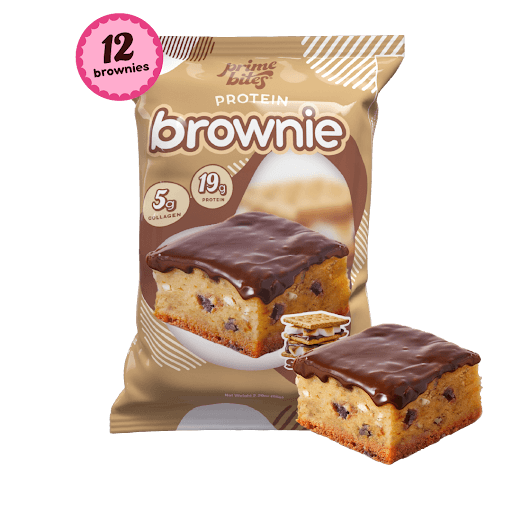
The better-for-you category used to lean heavily on minimalism. Today, that’s changing fast. Consumers no longer want only “clean” or “simple” flavors; they want personality. That’s why birthday cake, cookie dough, cinnamon roll, and s’mores protein bars and powders are booming. These comfort-driven notes help balance nutritional value with craveability, making functional foods feel more fun and rewarding.
Sauces and Condiments Are Embracing Nostalgic Depth
The comfort trend has also hit sauces hard — in the best way. Creamy ranch-inspired marinades, tangy BBQ blends with notes of sweet cornbread, or “everything bagel” dressings give familiar flavors a modern twist. These blends let consumers experience their favorite nostalgic tastes while expanding the possibilities of home cooking.
Beverages Are Joining the Movement
Hot cocoa cold brew, caramel apple energy drinks, toasted marshmallow coffee syrups — beverages are embracing comfort flavors. And the line between seasonal indulgence and everyday enjoyment is blurring, giving brands more freedom to experiment.
Comfort Food Is Just Beginning to Evolve — Stay Ahead With NuSpice
If you’re ready to embrace comfort as its own flavor profile, NuSpice is here to support your next big idea. Our team works closely with manufacturers, restaurant chains, and food developers to craft seasonings that blend nostalgia with modern craveability. We will help you determine which spices and flavors will pair seamlessly with your ingredients, your format, and your goals so that your next product is something people want to eat, share, and buy again.
And if you want more insight into how comfort is shaping the future of food, don’t miss Food Business News’ feature, “Comfort Is Fueling Flavor Trends.”
Comfort is opening the door to some of the most exciting flavor opportunities in years. Don’t be left in the dust. Contact NuSpice today to build something truly delicious, warm, and nostalgic.