
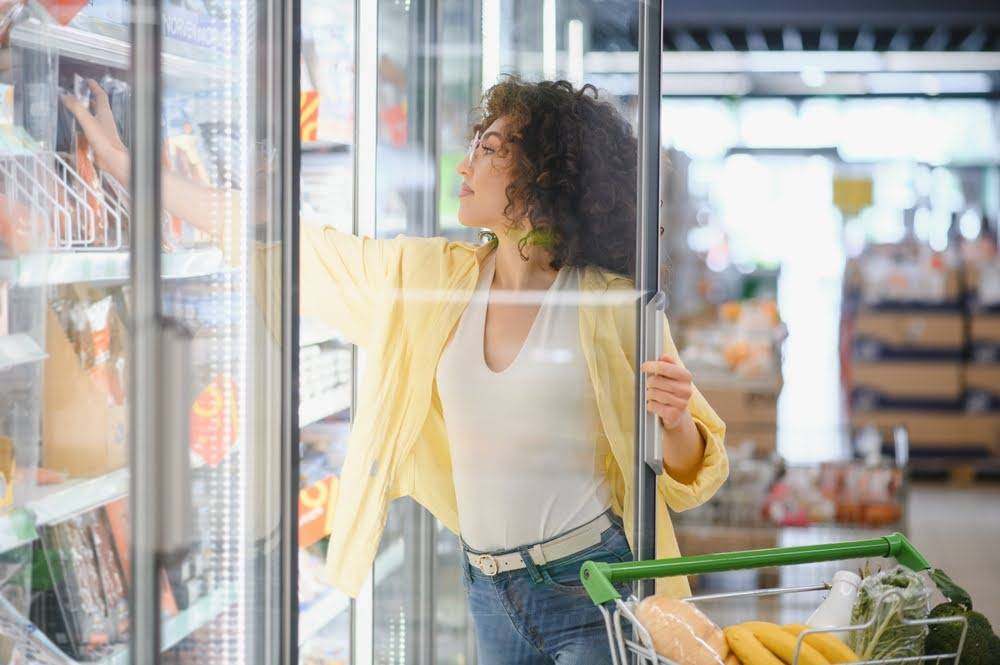
For decades, frozen meals carried an unfortunate reputation: bland, utilitarian, and chosen more for convenience than enjoyment. But today’s freezer aisle tells a very different story. Modern consumers are no longer willing to compromise flavor, and the frozen food category has risen to meet that demand in bold, exciting ways.
From globally inspired entrées to elevated comfort foods, the freezer aisle has become a showcase for crave-worthy flavor. At the heart of this evolution is thoughtful seasoning, where every bite needs to deliver depth, balance, and memorability. NuSpice works closely with brands to help transform frozen meals into standout experiences that feel indulgent and anything but ordinary.
How Consumer Expectations for Frozen Meals Have Evolved
The way people think about frozen food has shifted dramatically over the past decade. Once viewed as a last-resort solution for busy nights, frozen meals are now a staple for consumers who want convenience without sacrificing quality.
Consumers expect frozen meals to reflect the same culinary trends they see in restaurants and social media — bold spices, regional authenticity, and thoughtful flavor pairings. They want freezer-friendly versions of dishes like birria, tikka masala, Korean barbecue, or herb-forward Mediterranean bowls. At the same time, they demand that comfort classics be reimagined with richer seasoning profiles, cleaner flavor transitions, and a more premium feel.
For one of our customers exploring globally inspired frozen entrées, we recently helped develop a Korean BBQ beef bowl that showcased layered gochujang heat, toasted sesame, and fermented chili depth. Even after freeze–thaw and microwave reheating, the flavor stayed bright, balanced, and true to its restaurant inspiration — exactly what consumers now expect.
There’s also an emotional component at play. Frozen meals can provide everything from comfort to indulgence on demand. In fact, well-seasoned frozen dishes have been known to transport someone to a favorite restaurant, remind them of a cherished meal, or introduce them to a new cuisine entirely. And brands that understand this emotional connection — and build flavor strategies around it — are winning consumer loyalty.
Flavor Challenges Unique to Frozen Applications
While the opportunity for innovation in frozen meals is enormous, the format presents its own set of challenges. Freezing, storage, and reheating all impact how flavor is perceived, making seasoning development especially critical.
- Freeze-Thaw Stability: Most frozen meals undergo several temperature fluctuations during transport and stocking. Seasoning blends must be engineered to remain stable and consistent through these cycles, ensuring that the first bite tastes exactly like the gold-standard sample created in the R&D lab.
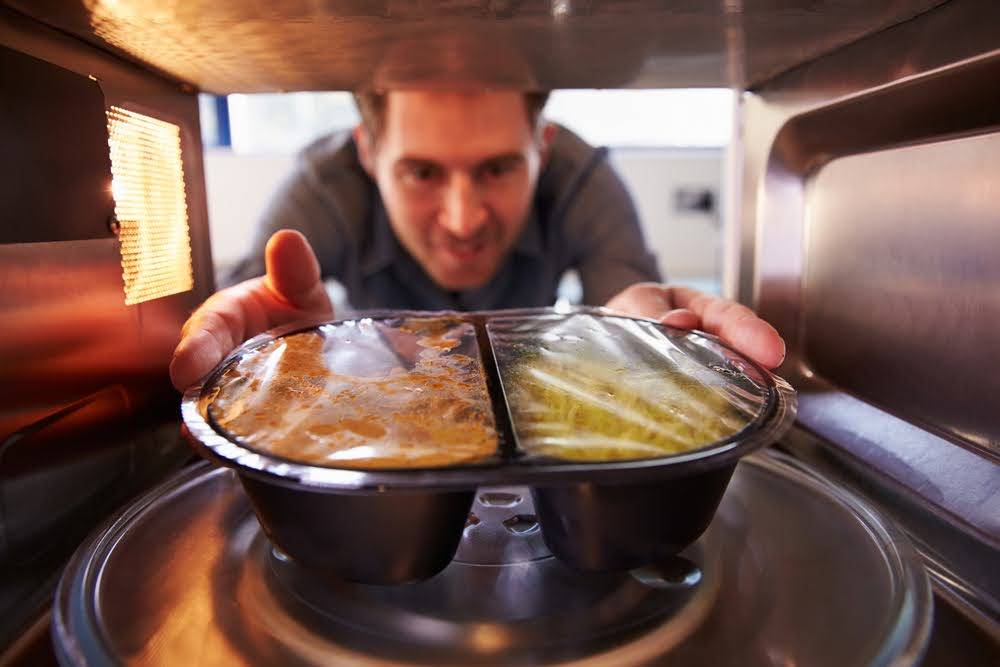
- Reheating Variabilities: Reheating methods, whether in the microwave, oven, or skillet, add another layer of variability, requiring seasonings that remain balanced and expressive across different preparation styles.
- Aroma Loss: Much of what we perceive as flavor is actually aroma. The sub-zero temperatures of the freezer can cause volatile aromatic compounds (those that give fresh herbs and bright citrus their “pop”) to dissipate or degrade over time. Seasonings must be built to deliver impact from the first bite to the last. When done right, frozen meals don’t just retain flavor — they showcase it.
We see these challenges firsthand. In a recent premium frozen pasta project, our team rebuilt a basil-forward seasoning system designed to survive multiple freeze–thaw cycles without losing that fresh, green lift. By anchoring the blend with supportive umami notes and stabilized herb components, the final product remained vibrant whether prepared in the microwave or baked in the oven.
In another frozen grain bowl concept, we were tasked with preserving citrus brightness over months of cold storage. Balancing zest-forward flavors with warm spice and fat-based carriers allowed the dish to maintain its lively, aromatic character through freezing, transport, and reheating.
Functional Ingredients That Strengthen Flavor in Frozen Meals
While seasoning is the hero of any gourmet frozen meal, it can’t do the job alone. Functional ingredients play a critical supporting role in ensuring flavors stay expressive, cohesive, and stable — even after months in the freezer and a quick reheat.
Frozen applications require ingredients that don’t just taste good, but perform well under cold conditions. The right functional components help lock in aroma, protect delicate flavors, carry richness, and maintain texture integrity.
Carriers That Preserve Flavor: Carriers like maltodextrin, starch, and oil powders help stabilize volatile flavors that would typically degrade during freeze–thaw cycles. They also ensure seasoning distributes evenly across proteins, vegetables, and grains. For example, a citrus-forward frozen grain bowl we worked on used fat-based carriers to protect bright lemon and herb notes so they still “popped” after reheating.
Natural Flavor Enhancers: Ingredients such as yeast extracts, mushroom powder, roasted onion, and tomato concentrates build savory depth and help replace what freezing often diminishes. These enhancers strengthen mid-palate fullness and prevent muted or “flat” flavor experiences.
Fat Systems That Support Mouthfeel: Fat plays a major role in flavor perception. Butter flavors, oils, and emulsified fat systems maintain richness and continuity from bite to bite — especially in frozen pasta dishes, creamy sauces, or premium comfort foods.
Binders & Stabilizers for Sauce Performance: Binders like modified starches, gums, or protein-based thickeners ensure sauces cling properly and don’t break after reheating. Because sauces carry much of a frozen meal’s flavor, performance here is essential.
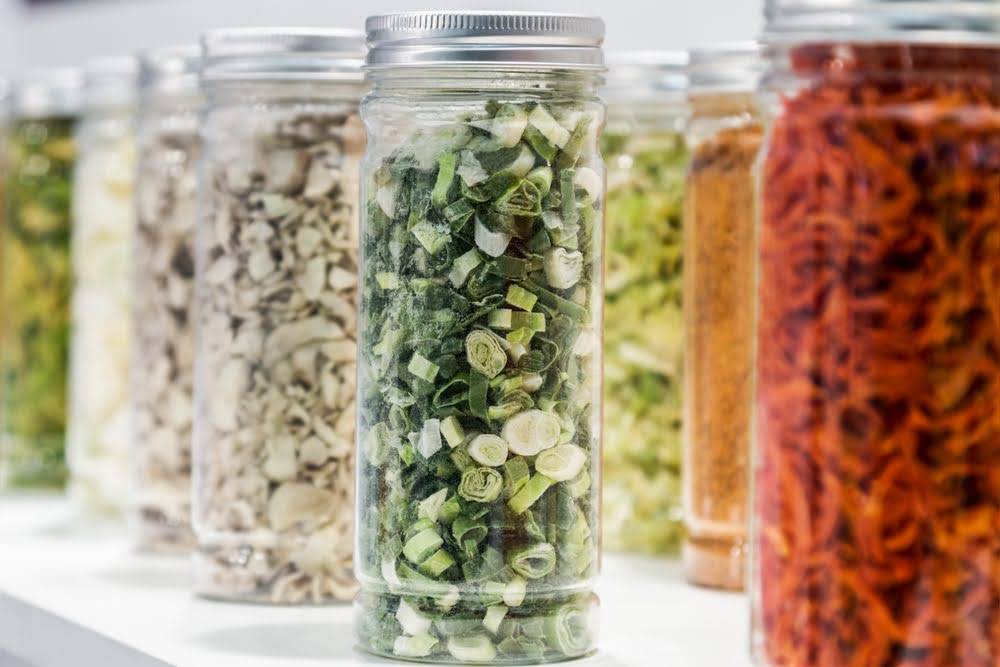
Herb & Spice Formats Designed for Freezing: Freeze-dried herbs, encapsulated aromatics, and stabilized spice extracts help retain vibrancy and protect fragile top notes (like basil, cilantro, citrus, or garlic) that would otherwise fade in the freezer.
Functional ingredients are the unseen architecture beneath bold flavor. When paired with a well-built seasoning system, they allow frozen meals to deliver complexity, aroma, and balance — even after months in cold storage.
The Role of Texture in Perceived Flavor
Texture is one of the biggest drivers of flavor perception in frozen meals. Even the best seasoning system can fall flat if the texture isn’t right — and when texture is optimized, flavors taste richer, brighter, and more intentional.
Why Texture Matters
- Crunch & Contrast: Frozen meals often lose crispness during reheating. Adding elements like chili crunch toppings or toasted crumbs restores contrast and makes flavors feel more vibrant.
- Sauce Cling: Good viscosity helps seasoning stay present in every bite and prevents watery, muted flavor delivery.
- Protein Tenderness: When proteins reheat tender and juicy, seasoning reads more cleanly and fully.
- Vegetable Integrity: Vegetables with better freeze–thaw structure maintain both texture and flavor clarity.
In frozen applications, texture and flavor work together. When both are dialed in, the meal feels elevated and restaurant-worthy — not simply “good for frozen.”
Global and Gourmet Flavor Trends in the Freezer Aisle
One of the most exciting shifts in frozen meals is the embrace of global and gourmet influences. The freezer aisle has become a passport for adventurous eaters, offering flavors that once felt exclusive to restaurants or specialty markets.
Regional Asian Influences
While General Tso will always have a place, we are seeing a massive surge in specific regional profiles. Think Filipino Adobo, Korean Jjajangmyeon, and Thai Green Curry with authentic galangal and lemongrass notes. Consumers want the punch of fermented flavors and the heat of specific chilies like Gochugaru or Thai Bird’s Eye.
Mediterranean & Middle East Influences
The popularity of the Mediterranean diet has led to a demand for frozen meals featuring Harissa, Za’atar, and Sumac. These flavors offer a bright and healthy perception that resonates with wellness-focused shoppers. An example of this is a frozen quinoa bowl seasoned with toasted cumin, lemon zest, and a hint of mint — flavors that feel fresh even when frozen.
Elevated Comfort
Gourmet doesn’t always mean exotic. We are seeing a premiumization of classic comfort foods. For example, macaroni and cheese is being elevated with smoked gouda and truffle notes; and pot pies are being reimagined with red wine-braised short ribs and herbes de Provence. These meals feel familiar yet refined, offering reassurance and indulgence in equal measure.
The Importance of Layered Seasoning in Frozen Meals
Gourmet frozen meals don’t rely on a single note of flavor. Instead, they succeed through layering, building complexity that unfolds bite by bite. Layered seasoning ensures that a dish feels complete, intentional, and satisfying, even after freezing and reheating.
This approach often includes:
- Foundational flavors that establish the core identity of the dish, such as savory herbs, warm spices, or umami-rich notes
- Mid-palate elements that add depth and character, like gentle heat, aromatic spices, or subtle sweetness
- Finishing accents that brighten and balance, leaving a lasting impression without overwhelming the palate
In frozen applications, layering is especially important because it helps compensate for flavor loss and ensures consistency from the first forkful to the last. Layered seasoning also supports menu versatility. A well-built blend can tie together multiple components in a frozen meal, from proteins and sauces to grains and vegetables, creating cohesion while still allowing individual ingredients to shine.
For example, in a frozen enchilada concept, we built a seasoning system where savory ancho chile formed the base, toasted cumin and oregano filled the mid-palate, and a bright pop of lime completed each bite. This prevented the profile from tasting flat or muted after reheating.
Another project — a frozen chicken bowl — required a sauce that tasted slow-simmered even after months in cold storage. We combined roasted onion and umami-rich notes with warm mid-level spices and a finishing touch of acidity so every component felt cohesive and intentional.
Elevate Your Brand’s Frozen Meals With NuSpice
As gourmet frozen meals continue to evolve, flavor remains the defining factor that separates good products from unforgettable ones. NuSpice partners with brands to help bring bold, restaurant-inspired flavor into the freezer aisle without losing balance, nuance, or appeal.
Through collaborative development and a deep understanding of culinary trends, we create spice blends that enhance frozen meals at every stage, from the first to the last bite. If you’re looking to explore new frozen meal concepts or elevate existing products with standout flavor, NuSpice is ready to help turn inspiration into reality. Reach out to start a conversation about what’s possible when gourmet flavor meets the convenience of frozen foods.