
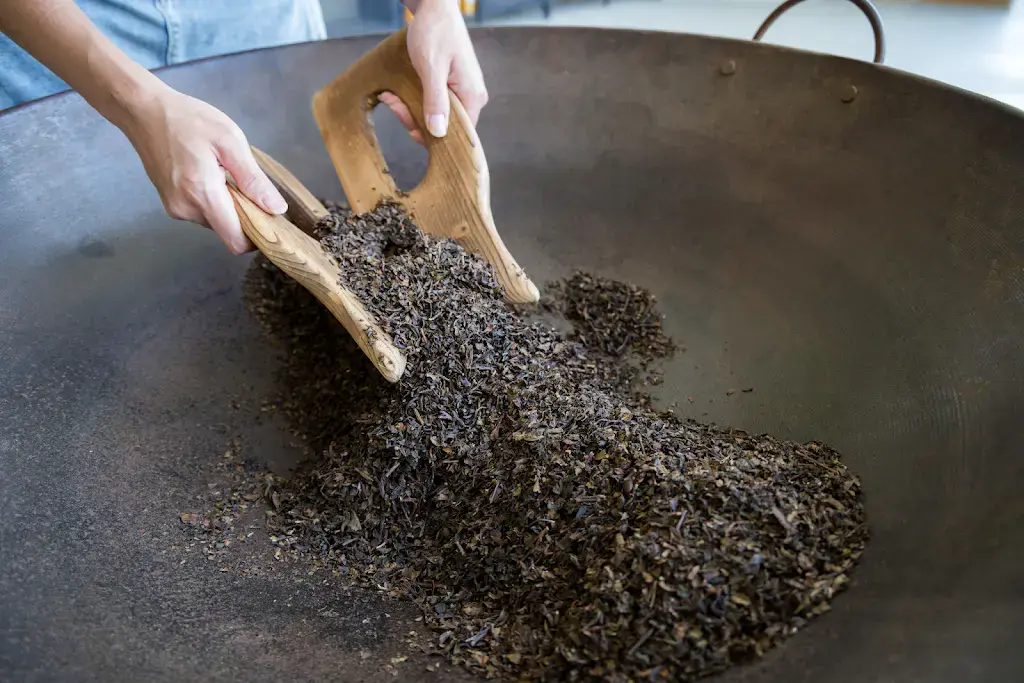
There’s something about the smell of roasted leaves that hits a note deep in the soul. It brings out earthy warmth, just enough smokiness to feel grounding without losing its lift. That’s the magic of hōjicha, a roasted green tea that’s been quietly steeping in tradition while making bold moves into modern menus. For a food world that chases both comfort and complexity, hōjicha brings both to the forefront for food manufacturers seeking the next big trend.
As a flavor company knee-deep in dirt, spice, and dreams, we’ve watched hōjicha creep from teacups to chocolate bars, from quiet teahouses to flavor-forward food labs. It’s not just a passing note; it’s an invitation to rethink what your next seasoning blend, snack flavoring, or protein rub could taste like. Hōjicha is one of the many Asian flavors taking the culinary world by storm and makes it feel like coming home with every bite.
The History of Hōjicha
Hōjicha originated in Kyoto, Japan, in the 1920s, emerging from a clever shift in tea-making techniques. Tea makers began roasting leftover tea leaves, such as bancha, kukicha, and even sencha, over charcoal to bring out a distinct flavor. The heat transforms their profile, cutting the astringency and pulling out round, roasted notes. It wasn’t just a tweak—it was a revelation that opened new doors in the kitchen and the cup alike.
Hōjicha’s Flavor Profile
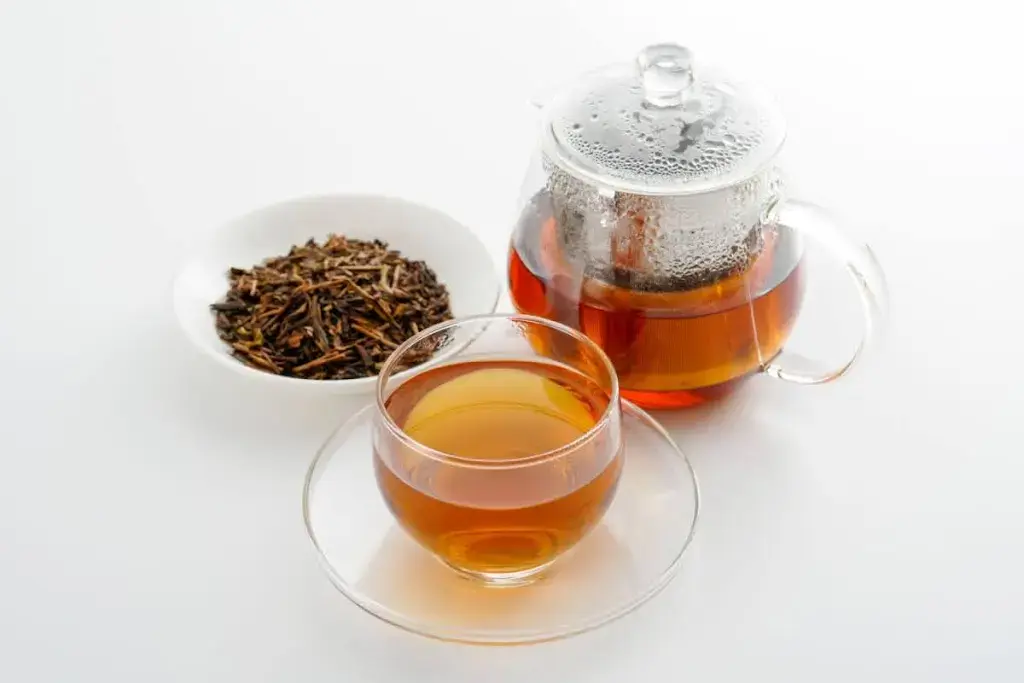
Hōjicha’s flavor profile is soft, layered, and aromatic. This roasted green tea holds its ground in a market packed with high-acid, high-sugar, high-caffeine options vying for customer’s attention. With a flavor that leans more toward “fireside chat” than “lemon zing,” it’s a steady addition to any spice mix, protein rub, or drink recipe that wants depth without bitterness.
Rich
Hōjicha’s richness doesn’t weigh you down; it adds body to whatever spice blend it finds itself in. Think of it as the quiet backbone of both sweet and savory creations. It can be used in a variety of sweet and savory applications, which our research and development team constantly experiments with to create the ideal blend.
Nutty
There’s a nutty roundness in hōjicha that makes it perfect for blends with a wide range of sweet and savory notes. It pairs beautifully with caramel, teahouse pastries, and even meat marinades. It’s that golden-hour glow but in food form.
Slightly Smokey
Let’s not dance around it; roasting makes everything better. With notes of soft smoke, hōjicha gives off a whisper of charcoal without falling into bitterness. This makes it a stellar companion to spice formulations, vegetarian dishes, and even snack foods that need a touch of surprise from our food ingredient solutions.
How Hōjicha Differs From Sencha & Matcha
Sencha is grassy. Matcha is creamy. Hōjicha? It’s deep, mellow, and roasted, which sets it apart from other popular Japanese teas and seasoning blends. While sencha and matcha use younger leaves and emphasize freshness and bright flavors, hōjicha leans into aging and transformation. Roasting the leaves, whether bancha, kukicha, or gyokuro, tames the bitterness and drastically drops caffeine, making hōjicha gentler on the system. It’s green tea’s older, wiser cousin bringing less flash, more grounded, and endlessly versatile in food applications.

Why Hōjicha Is Trending Now?
In a flavor landscape that’s increasingly global, wellness-driven, and experience-focused, hōjicha is rising to the surface for all the right reasons:
Global comfort, grounded flavor: Consumers are craving flavors that feel adventurous and familiar. Hōjicha delivers both—offering the global appeal of Japanese tea culture with the cozy, roasted warmth of something nostalgic.
Low caffeine, high functionality: With less caffeine than matcha or sencha, hōjicha answers the call for more mindful options. It’s a grounding ingredient that supports wellness goals without sacrificing indulgence.
A roasted revolution: Roasted flavors are trending across the board—coffee, nuts, brown butter, miso—and hōjicha fits perfectly into that toasted, complex flavor family. It adds a hint of smokiness without overpowering, creating balance in sweet and savory applications.
Visually striking, content ready: Hōjicha’s warm golden tones and creamy texture lend themselves to everything from striking lattes to luxe pastries, perfect for brands looking to stand out on Instagram, TikTok, or the menu.
Culinary crossover appeal: Hōjicha doesn’t stay in the teacup. It plays well in rubs, desserts, sauces, and snacks, making it an exciting flavor tool for chefs, product developers, and trendsetters who want something rooted in tradition but ready to evolve.
How Food Companies Can Capitalize on the Rise of Hōjicha
Consumers are moving toward earthy, elegant, and nutritious global flavor experiences that align with wellness and warmth. With hōjicha’s low caffeine content, antioxidant benefits, and culinary flexibility, it hits the sweet spot between health and indulgence. Whether you’re developing new seasoning blends, protein-based meals, a new snack food line, or tea-inspired spice rubs, hōjicha offers a full range of application potential.
Learn How We Can Help You Incorporate Hōjicha Today
At NuSpice, we’ve helped countless clients incorporate our innovative food ingredient solutions into their products and menus. With hōjicha, we see more than a green tea variation. We see a gateway to warmth-driven seasoning blends, savory spice applications, and grounding spice experiences that can anchor your brand in the rising wave of earthy sophistication. You bring the ambition; we bring the blend.
From ideation to food processing, from kitchen bench samples to full-scale manufacturing, we’re with you, backed by food safety know-how, halal certifications, and a supply chain you don’t have to babysit. We’re ready to help you use cutting-edge food science to build a better seasoning blend with hōjicha as the star. Whether you’re serving brand-new, umami-forward snacks or meat lovers at your quick-service restaurant, we’ll create something that honors the leaf and excites the customer.