
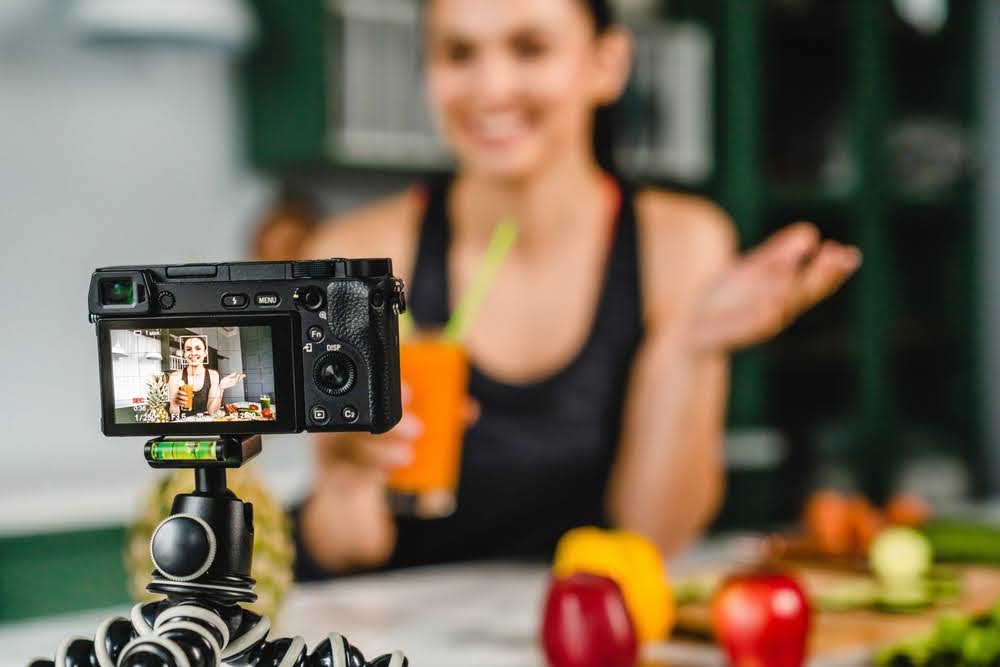
Viral food used to be about spectacle — rainbow bagels, 20-layer cakes, giant milkshakes, and anything engineered to shock the social feed. But 2025 changed that playbook. This year, the internet stopped chasing novelty and started engineering utility. The most viral dishes weren’t elaborate desserts or over-the-top indulgences — they were macro-friendly bowls, one-pan hacks, vegetable-forward budget meals, and air-fried snacks designed to function as much as they satisfy. As platform behavior shifted across TikTok, Google Search, Instagram Reels, and meal-prep culture, a new category emerged: algorithm food — dishes designed around efficiency, protein, affordability, and visual appeal. The algorithm no longer cared whether a dish came from culinary tradition; it cared whether the dish worked.
Technology has completely rewired how consumers discover food, evaluate products, and decide what to cook. TikTok, Instagram, YouTube Shorts, and Google aren’t just entertainment channels anymore — they function as real-time grocery influencers. The rise of TikTok Shop and other integrated checkout tools has collapsed the distance between interest and ownership, creating a consumer who expects instant gratification. Recipe inspiration, product discovery, and ingredient acquisition now occur in a single uninterrupted loop — someone sees a cottage-cheese protein hack at 10:17 PM, clicks “Buy,” and the entire ingredient list is on their doorstep the next morning. This has fundamentally changed expectations for food: fast, functional, shoppable, and immediately replicable. Flavor doesn’t have time to simmer in the cultural imagination anymore. If a dish looks good on a video, consumers assume they should be able to make it tonight, meal-prep it tomorrow, macro-track it by the weekend, and post their own version back into the algorithm.
More importantly, the purchasing funnel has inverted. In traditional consumer-goods behavior, shoppers discovered a brand through advertising or retail placement and then decided whether to buy. In 2025, the leap from content to cart is direct — the algorithm drives impulse, the interface processes the sale, and the product becomes a piece of user-generated feedback. Instead of brands courting consumers, platforms are capturing transactions at the point of curiosity. Viral bowls, protein muffins, and air-fryer snacks became cultural moments not because they were marketed — but because they were instantly shoppable.
And that feedback loop is accelerating. Content is no longer inspiration — it is commerce. Consumers scroll, they purchase, they execute, and they post the outcome as proof. TikTok is effectively a closed system where discovery, conversion, and validation all occur within seconds. The expectation that food should be visually rewarding, nutritionally efficient, cost-effective, and instantly implementable is the natural result. The algorithm has replaced deliberation — and convenience is the new currency.
That shift became clear with Google’s declaration that the Hot Honey Cottage Cheese Sweet Potato Beef Bowl was the platform’s number-one searched recipe of the year. It combined the 2024 cottage-cheese-as-protein craze with 2025’s reigning “swicy” sweet-and-spicy obsession, pairing ground beef, soft sweet potatoes, and a macro-dense profile that delivered indulgent flavor under the guise of nutritional discipline. Right behind it came the Dumpling Bake, a viral “one-pan wonder” built from frozen dumplings baked in sauce, a dish that redefined low-effort home cooking during a year marked by higher grocery costs and shrinking prep time. In a similar budget-friendly lane, the Cabbage Boil treated a humble vegetable like a seafood feast, soaking a whole cabbage in butter, Cajun seasoning, and aromatics — a perfect expression of what became 2025’s “vegetable maximalism,” turning inexpensive produce into a high-impact, flavor-forward eating experience.
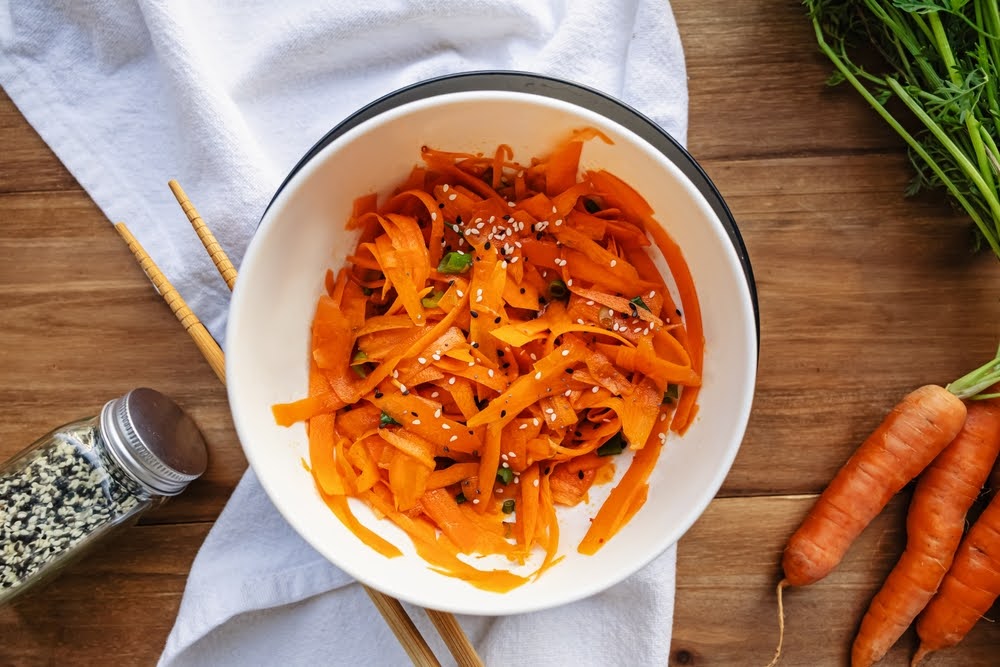
Even salads went algorithmic. The resurgence of Iceberg Lettuce Salad — especially wedge-style or chopped — reflected a nostalgic return to hydration and crunch after a year crowded with complicated superfoods and powders. The Carrot Salad trend, which began as a hormonal-health TikTok hack, evolved into shaved textures and elegant dressings that pushed functional eating into a culinary space. Protein Muffins took the same logic into breakfast by blending cottage cheese or Greek yogurt directly into batter, transforming muffins into high-protein, grab-and-go performance snacks. Meanwhile, Turkish Pasta introduced Mediterranean comfort fusion into the American weeknight rotation by topping noodles with spiced beef and garlicky yogurt — global flavor without culinary labor.
Air-fryer dependence continued to shape behavior, most clearly in Onion Ring Chips, thin-sliced onions crisped without oil and embraced as a “healthier indulgence.” In a year where beef inflation dominated headlines, Crockpot Turkey Breast went viral as consumers repositioned turkey as a lean, affordable bulk protein suitable for weekly meal prep rather than seasonal celebration. And at the ingredient level, Ditalini Pasta unexpectedly became the “it-shape” of the year, chosen not for culinary romance but for structural performance — its ability to hold up in chopped salads, jarred lunches, and refrigerated storage without collapsing into mush.
Individually, these dishes might seem like curiosities. Together, they tell the clearest behavioral story of the year. 2025 eating was high-protein, low-effort, appliance-guided, budget-aware, functional, and algorithm-accelerated. A dish could go viral not because it was new, but because it solved a modern cooking problem: less time, fewer dollars, more protein, greater sensory payoff, and visual appeal that worked on camera. The internet didn’t chase recipes — it chased efficiency.
For food developers, manufacturers, and innovators, that’s the real takeaway. Consumers now expect bold flavor without prep, protein without cost, vegetables that behave like center-of-plate, global flavors without education, and indulgence without consequence. Seasonings are being asked to carry more weight. Convenience is becoming value. Format is becoming innovation. Viral food is no longer chaos — it is behavior forecasting. And if 2025 has taught us anything, it’s this: function is the new flavor trend.
If function is the new flavor trend, innovation needs to move just as fast. If you’re looking to translate these behaviors into high-impact products—whether that means protein-forward blends, one-pan flavor systems, or vegetable-maximizing seasonings—NuSpice is already building for what comes next. Reach out, and let’s turn algorithm-speed cravings into commercially ready concepts.