
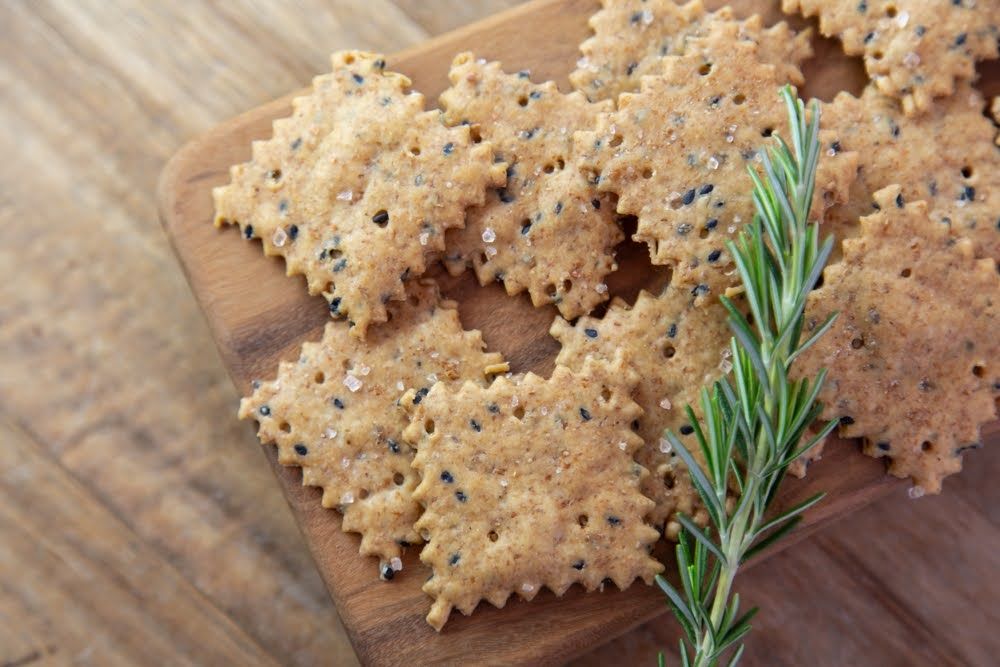
Texture and taste have always been the power couple of the snacking world. When they work together — say, a punchy chili-lime seasoning cracking against the airy lightness of a puff, or a warm cinnamon blend melting into the buttery crumble of a cookie — everything just clicks. Or should we say “sticks?” After all, snacks that play to all of your senses leave a lasting impression, occupying your mouth, engaging your mind, and signalling to your body that, yes, you are satisfied.
Today’s snack developers aren’t just chasing flavor; they’re chasing experiences. And consumers? They’re hungry for snacks that wake up every sense they’ve got. It’s one reason NuSpice’s vice president, Jessica Goldstein, contributed to The World of Food Ingredients’ “Snacks Reimagined” edition, offering insight into how bold global flavors and spices can create multi-sensory snacking moments that feel personal and memorable.
Inspired by that conversation, we wanted to dive deeper into crafting snacks that engage all five senses at once. After all, satiation isn’t just about feeling full; it’s about being fulfilled.
A Feast for the Eyes: The Role of Visual Appeal in Satiation
Before you even reach for a snack, you’re already making up your mind about how satisfying it will be. A snack that looks monochromatic and dull often signals “boring” to the brain, leading us to eat more of it in a desperate search for stimulation. Conversely, high-contrast colors and visible textures create “visual volume” that primes our satiety hormones.
Consider these examples: snacks dusted generously with paprika-red seasoning, shimmering flecks of herbs, or a glossy chili glaze instantly make us anticipate intense, bold flavors. Even subtle details, like the geometry of a potato chip or the marbling of a popped grain cluster, can influence how we imagine the snacking experience ahead.
Color plays just as important a role. Vibrant hues can communicate everything from freshness and richness to heat and indulgence, depending on the profile you’re building. For example, a golden turmeric glow can add warmth to a snack, while a scarlet-sesame-speckled chip lets consumers know they are in for a kick.
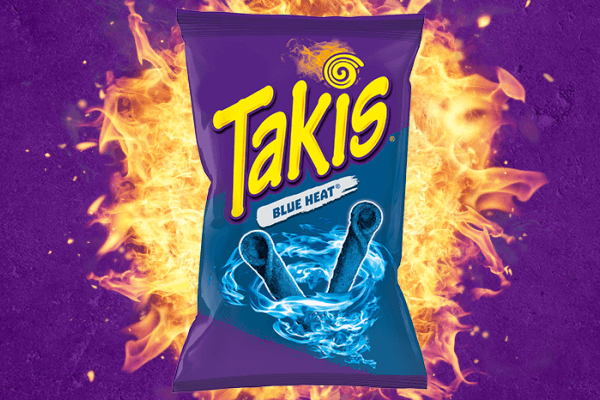
A dramatic real-world example of visual signaling is Takis Blue Heat, where the electric blue color instantly communicates intensity long before the first bite. This hyper-saturated hue primes the brain for extreme flavor, amplifying anticipation and shaping the entire sensory experience. Consumers often report that the color itself makes the snack “taste stronger,” illustrating just how powerful visual cues can be in driving perceived satiation.
Of course, when the flavor matches the appearance, that’s when consumers keep coming back for more.
An Experience Before the First Bite: The Power of Aroma
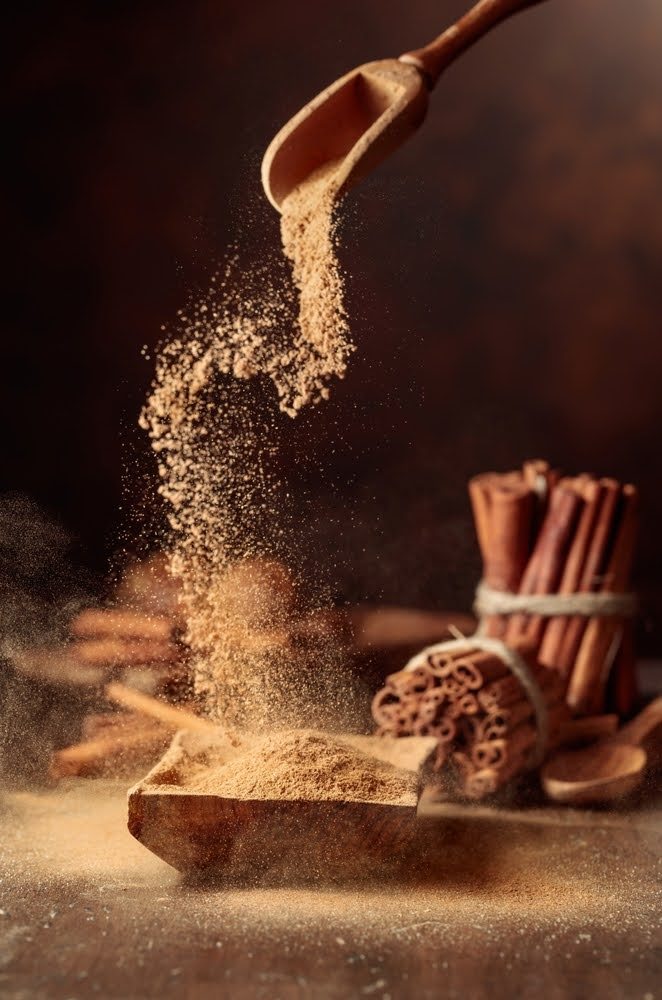
If you have ever tried to eat while holding your nose, you know that flavor isn’t nearly as strong without scent. This is because, as we chew, volatile organic compounds waft from the back of our mouths up to our nasal cavity, fleshing out the taste of food into a full-blown flavor experience. When the aromas are more intense, we feel fuller because our brains process the smell as a signal of richness. This is why snacks with strong, aromatic profiles, like the warm, earthy scent of cumin or the sharp, bright punch of vinegar, can help curb appetite.
Developers who craft with aromatic intention — balancing volatile top notes with deeper, grounded aromas — often find that consumers report greater satisfaction with smaller serving sizes. In a world where “better-for-you” continues to rise in importance, aroma is truly a key ingredient in a recipe for a viral snack.
The Crunch Effect: Why Texture Matters
Of all the sensory elements, texture might be the most underestimated, even though it’s often the reason someone keeps reaching back into the bag.
Humans crave contrast. We love the tension between crispy and creamy, the surprise of an airy crunch followed by a slow melt, the crumble that gives way to richness. Texture adds peaks and valleys to the snacking experience, turning a simple bite into a rhythm.
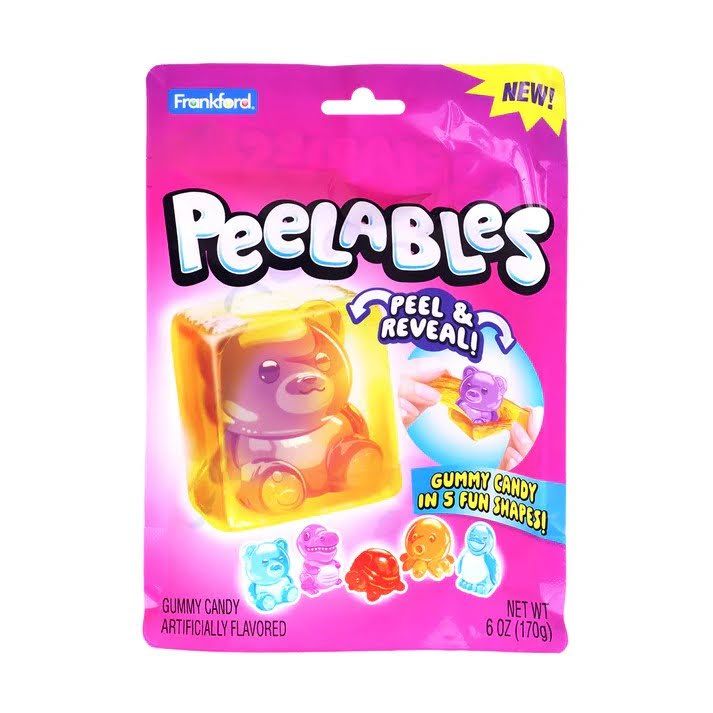
Beyond traditional crunchy–creamy dynamics, consumers are increasingly drawn to interactive textures that unfold in stages. A perfect example is the rise of Peelables candies — snacks designed to be physically peeled open, revealing a second texture and flavor inside. This multi-step eating experience taps into a deeper sensory reward system: the tactile engagement of peeling, the visual surprise of the inner layer, and the dual flavor release that keeps the palate stimulated. These “playful textures” aren’t just fun; they meaningfully boost satiation because each action and each layer delivers something new.
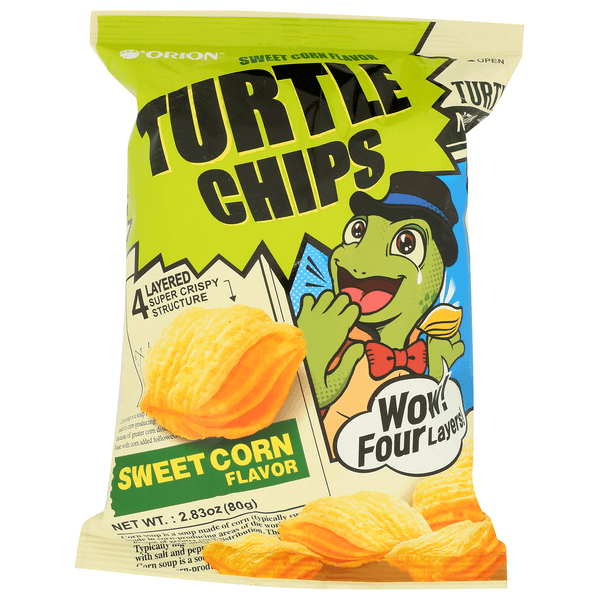
Another standout example of texture-driven innovation is Orion’s Turtle Chips, known for their signature quad-layer shape that creates an amplified crunch and a dynamic melt–shatter experience. Each bite breaks differently, delivering both an initial airy crisp and a slow, satisfying dissolve that keeps the palate engaged. Snacks like this prove that engineered texture — not just seasoning — can be the differentiator that makes a product addictive, memorable, and deeply satiating.
Then there’s mouthfeel — the subtle, lingering tactile experience that influences how satisfying a snack is. Coarse seasonings add grit and excitement, while smooth, velvety coatings bring comfort. Multilayered pieces, where each bite breaks differently, deliver complexity that keeps the palate from growing bored.
The crunch or crack of a snack also plays a role in how satiating a snack is. After all, it’s these auditory cues that signal freshness and intensify perceived flavor. Without the satisfactory snap, even the best seasoning blend can fall flat.
In an age where snacks must compete against endless novelty, texture is a powerful differentiator that developers can’t afford to overlook.
The Final Touch: How Flavor Is the Key to Satiation
While texture steals the spotlight more often than expected, flavor is the heart of every snack. It’s the element that consumers talk about, crave, and search shelves for. Of course, as consumers’ palates become more sophisticated, they frequently demand snacks that have layers.
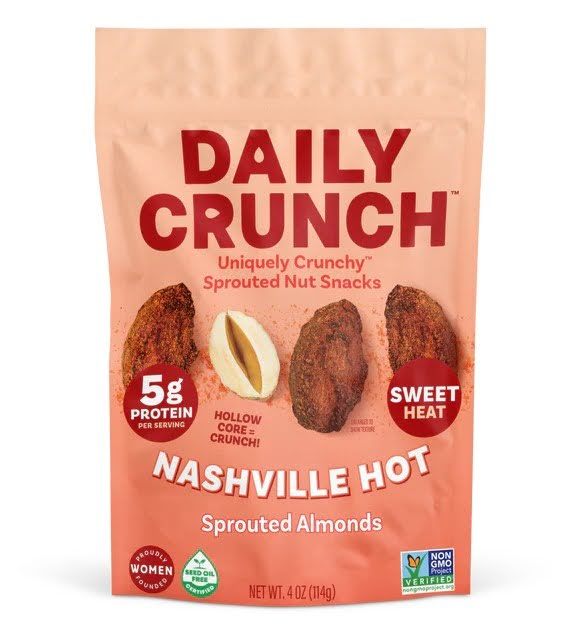
Specifically, they want the heat that builds slowly, the citrus that brightens at just the right moment, the umami depth that lingers. A great real-world example of this is Daily Crunch’s Nashville Hot Sprouted Almonds, a snack that delivers a full arc of flavor in a single bite. The initial roasted nutty crunch gives way to a chili-oil–style bloom of heat, layered with garlic, paprika, and umami-forward aromatics that linger long after the bite is gone. This kind of slow-building, multidimensional flavor journey satisfies consumers on a deeper level because each moment brings something new, creating a sense of culinary richness that feels far more satiating than flat, single-note heat. They want global spices and bold seasonings that evoke memories, emotions, and connection.
Developers today are crafting flavor experiences with intentional movement, beginning with an inviting introductory note, building toward a crescendo of bold intensity, and ending with a clean, memorable finish. Sweet-spicy (swicy) combinations, smoky-fermented pairings, and herbal-citrus hybrids continue to dominate because they deliver a full-scope sensory journey in a single bite. The result is deeper satiation, as consumers feel like they’ve experienced something grand.
The Future of Multi-Sensory Snack Innovation
Looking ahead, the future of snacking is going to be loud and colorful. We are moving away from generic cheese or BBQ flavors and toward “mood foods” and functional experiences that cater to emotional and physical states. Expect to see swicy combinations that fire up multiple taste receptors simultaneously, dual-texture snacks (such as creamy coatings on crunchy cores) that mimic the complexity of a full meal, and “slow snacks” that are designed to prolong the eating experience through chewiness, viscosity, and lingering aftertastes.
Satiation isn’t simply about feeding hunger; it’s about giving consumers an experience that feels complete. And when your snacks can deliver that? You’ve earned not just a sale, but a fan.
Cater to All of the Senses
Crafting multi-sensory snacks requires equal parts culinary imagination and technical finesse, and that’s where NuSpice thrives. We help developers create seasoning systems that don’t just taste good; they align authentically with your brand, express the story you want to tell, and deliver that deeply satisfying sensory journey consumers crave.
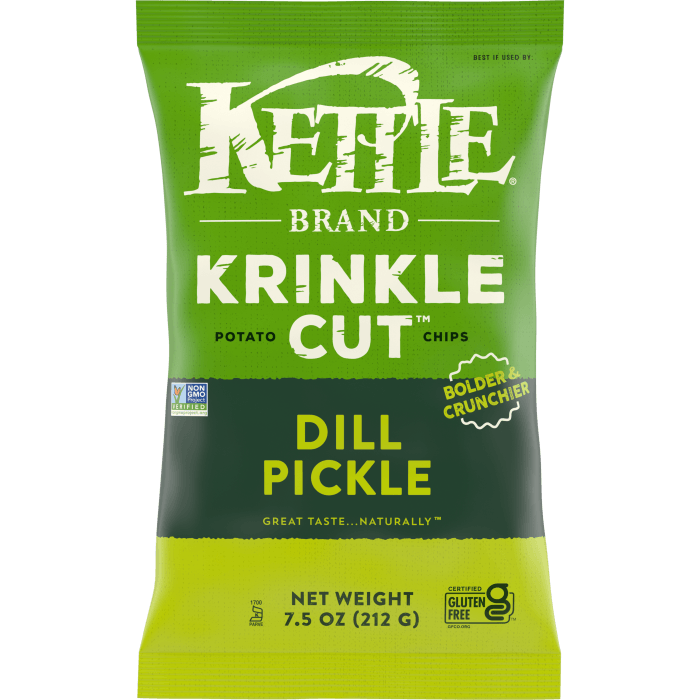
You see this play out in the marketplace already — products like Kettle Brand Krinkle Cut Chips demonstrate how something as simple as a deeper ridge structure can amplify every sense at once. The thicker cut creates a louder, more resonant crunch, the ridges hold more seasoning for brighter aroma and flavor release, and the visual texture alone primes consumers for a more intense, satisfying bite. It’s a perfect example of how format, texture, and seasoning collaborate to create a snack that feels complete.
To get started on crafting spice blends that captivate the senses and stand out in a rapidly evolving snack foods landscape, schedule a consultation with NuSpice. We’ll create the next sensory-driven success story with you, one unforgettable bite at a time.