
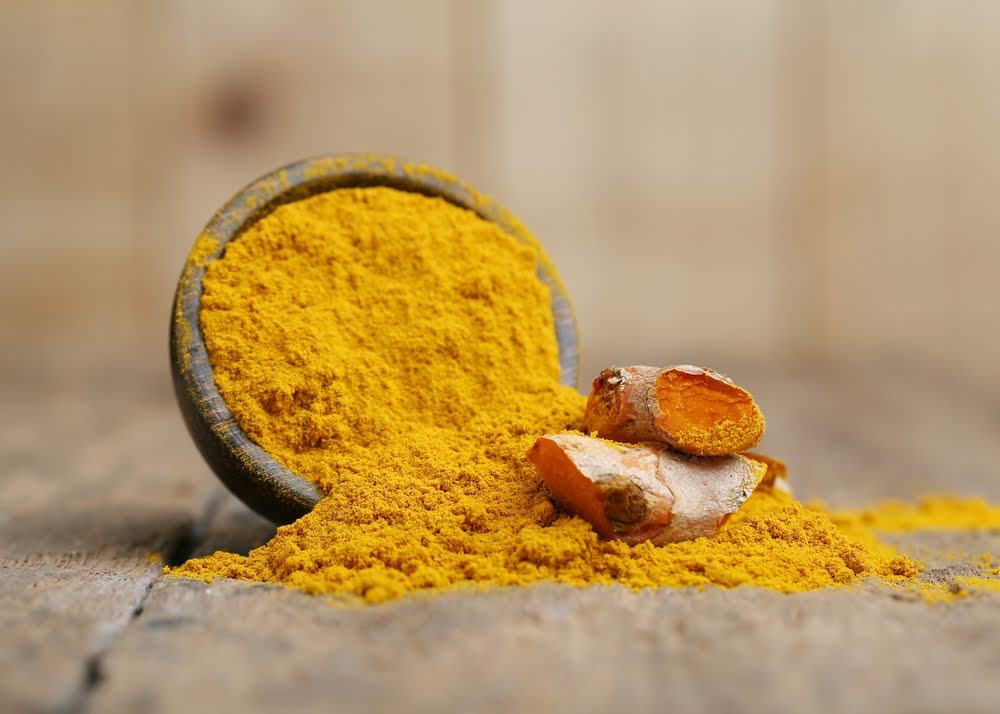
Once known primarily as a staple of traditional cooking and ancient wellness practices, turmeric has firmly established itself as a modern, multifunctional ingredient. Today, it’s celebrated not only for its health-forward reputation but also for its unmistakable visual appeal and nuanced flavor profile. Whether used in golden lattes, seasoned snacks, sauces, marinades, or plant-based applications, turmeric has a unique character.
As brands look for ingredients that can communicate function, authenticity, and flavor impact all at once, turmeric stands out as a powerful tool in modern formulation.
What Is Turmeric & What Is Its Flavor Profile?
Turmeric is derived from the root of the Curcuma longa plant, a member of the ginger family traditionally used in South Asian and Middle Eastern cuisines. It has long been prized for its earthy warmth and vibrant golden hue.
Of course, we can’t talk about turmeric without mentioning its complex flavor profile. At its core, this spice has a warm, slightly bitter, earthy taste with subtle peppery notes. There’s also a gentle dryness to its flavor, often described as woody or musky, balanced by faint citrus and ginger-like undertones.
Unlike more aggressive spices, turmeric doesn’t dominate a formula on its own. Instead, it works as a foundational note — supporting, rounding, and enhancing other flavors in a blend. In savory applications, it adds depth and warmth without overwhelming proteins, vegetables, or grains. In sweet or beverage applications, turmeric brings grounding balance, preventing sweetness from becoming cloying.
Understanding the Different Types and Varieties of Turmeric
While turmeric is often treated as a single ingredient, it actually exists in a range of varieties that behave differently in formulations depending on origin, curcumin content, and processing. Most culinary turmeric used in food manufacturing comes from Curcuma longa, the species known for its earthy warmth and deep golden color. This is the variety most commonly found in global spice blends, snacks, sauces, and plant-based products.
Within Curcuma longa, origin plays a meaningful role. Indian turmeric — particularly Alleppey or Madras types — is known for its strong color intensity and higher curcumin levels, making it well suited for applications where both visual impact and flavor depth are desired. These varieties are often favored in savory snacks, seasonings, marinades, and plant-based proteins. Turmeric from regions such as Vietnam or Cambodia tends to be slightly brighter and more aromatic, with softer earthy notes that work well in beverages, soups, and lighter flavor systems. Indonesian turmeric is typically milder and less bitter, allowing it to integrate smoothly into sweet applications or formulations where turmeric is meant to support rather than lead.
Form also matters. Ground turmeric is the most widely used format in commercial food production because it disperses evenly and delivers consistent flavor and color. Fresh turmeric root, which is sharper and more peppery, appears more frequently in refrigerated beverages, wellness shots, and culinary applications than in shelf-stable manufacturing. Turmeric extracts and oleoresins offer another option altogether, providing concentrated pigment and functionality with far less flavor impact. Choosing the right turmeric type and format allows developers to fine-tune both sensory experience and performance within a finished product.
Turmeric as a Natural Color Replacement and Enhancement Tool
Beyond flavor and functionality, turmeric has become one of the most valuable natural color solutions in modern food formulation. As brands move toward cleaner ingredient decks, turmeric offers a bright, dependable alternative to synthetic dyes — a shift accelerated by the FDA’s ongoing removal and tightening restrictions around several artificial colors. With more legacy formulas needing reformulation, turmeric has become a go-to tool for achieving warmth, vibrancy, and shelf appeal without relying on FD&C ingredients.
Turmeric’s color strength comes from curcumin, which allows even small usage levels to create vivid yellow-to-golden hues. This makes it especially effective in snack seasonings, sauces, dressings, marinades, plant-based cheeses, bakery items, and beverages. In many cases, turmeric doesn’t just replace artificial color — it enhances overall product perception by reinforcing wellness, naturalness, and authenticity cues right at the shelf.
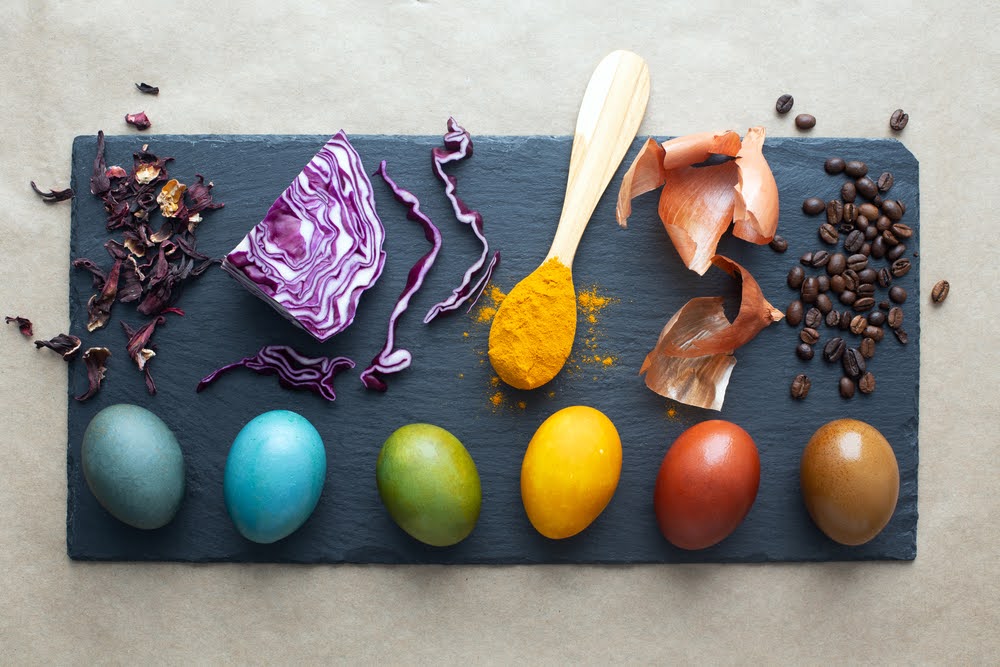
For formulations where flavor neutrality is essential, turmeric-based color extracts offer even more control. These extracts deliver consistent color with minimal taste contribution, making them ideal for products where turmeric’s earthiness would otherwise interfere with the flavor profile. They’re widely used when updating legacy items that previously depended on synthetic yellows, helping brands transition into cleaner formulations without sacrificing visual appeal.
Because turmeric is a natural ingredient, its pigment can be sensitive to light, heat, pH, and oxidation. Choosing the right turmeric format — whether whole spice, oleoresin, or extractive — and adjusting the supporting formulation ensures color stability throughout shelf life. At NuSpice, we guide customers through these decisions to help them balance vibrancy, functionality, and clean-label expectations seamlessly.
A Look at Turmeric’s Health Benefits
Turmeric’s rise in modern beverage and food innovation is closely tied to its association with wellness. While turmeric has been used for centuries in traditional practices, today’s consumers view it as a superfood, an everyday food that supports a balanced, health-conscious lifestyle.
Here’s a closer look at the health benefits of turmeric — all of which lend to its categorization as a “functional flavor.”
Anti-Inflammatory Properties
Curcumin (the main active ingredient in turmeric) is a bioactive substance that fights inflammation at the molecular level. For athletes, this translates to muscle recovery; for the aging population, it means joint support. This anti-inflammatory benefit makes turmeric an ideal inclusion for protein powders, wellness shots, functional bars, and other good-for-you snacks.
Antioxidant Support
Turmeric is a potent antioxidant. It neutralizes free radicals on its own but also stimulates the body’s own antioxidant enzymes. This dual action supports immune health, a top priority for consumers in the post-pandemic era.
Cognitive & Digestive Health
Emerging studies suggest that turmeric may support improved brain function and aid in digestion and reduce bloating. This makes it especially appealing in products designed for daily routines, and its warm, grounding flavor makes it easy for consumers to embrace.
Flavor Pairings That Bring Out Turmeric’s Best Qualities
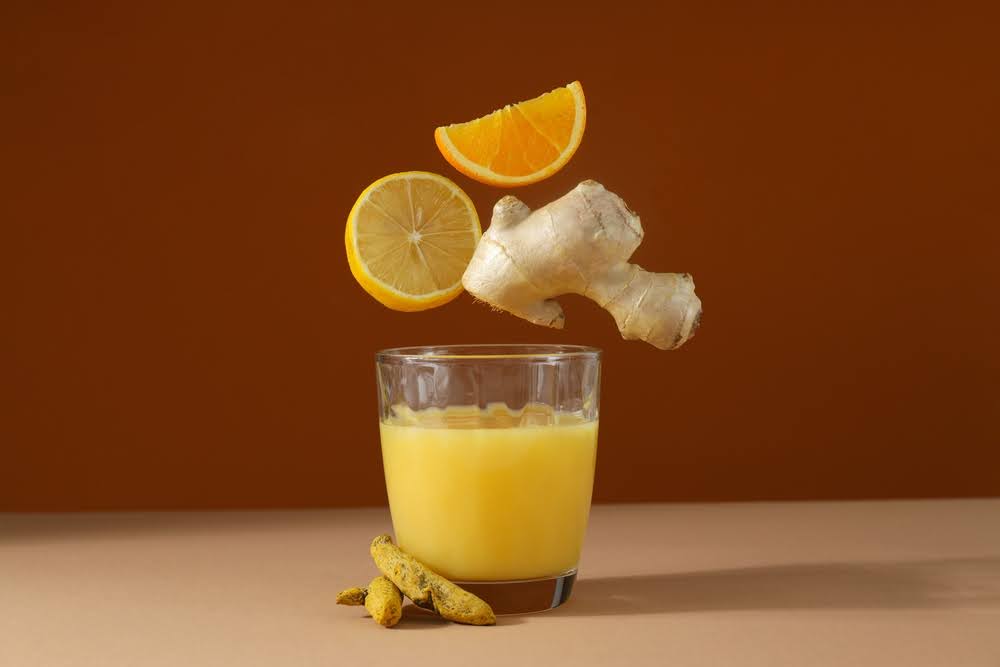
Turmeric shines when paired with flavors that highlight its warmth and soften its natural bitterness. Ginger is one of its most seamless partners, creating a warm, energizing foundation for beverages, broths, sauces, and globally inspired blends. Citrus elements like lemon, orange, and yuzu help lift turmeric’s earthiness, adding brightness to dressings, sauces, and snack seasonings.
Savory spices — including cumin, coriander, and black pepper — deepen turmeric’s natural warmth and create the rounded profiles found in many global cuisines. In snack and plant-based applications, pairing turmeric with garlic, onion, and nutritional yeast delivers a savory, almost cheesy depth without dairy, making turmeric a staple in vegan flavor systems.
On the sweeter side, turmeric balances beautifully with ingredients like honey, coconut, vanilla, and dates. These soften bitterness while adding indulgence to beverages and better-for-you treats. Fresh herbs such as cilantro, basil, and thyme add contrast and aromatic lift, giving turmeric-forward dishes freshness and complexity.
Turmeric in Today’s Food & Beverage Trends
Turmeric’s modern relevance isn’t just tied to wellness — it’s tied to culture. Over the last few years, turmeric has moved from a traditional spice into a high-momentum, cross-category trend driver. Consumers now recognize turmeric as a functional ingredient, a color enhancer, and a versatile flavor anchor, and that awareness is shaping everything from coffee shop menus to retail innovation pipelines.
One of the biggest trend accelerators has been the rise of golden beverages, especially golden milk and turmeric lattes. What began in Ayurvedic tradition quickly found its way into indie cafés, then national chains, and now into CPG. Turmeric shows up in ready-to-drink golden milk, functional creamers, glow foams, and even plant-based milk blends, signaling warmth and wellness in a category where consumers increasingly look for added benefits.
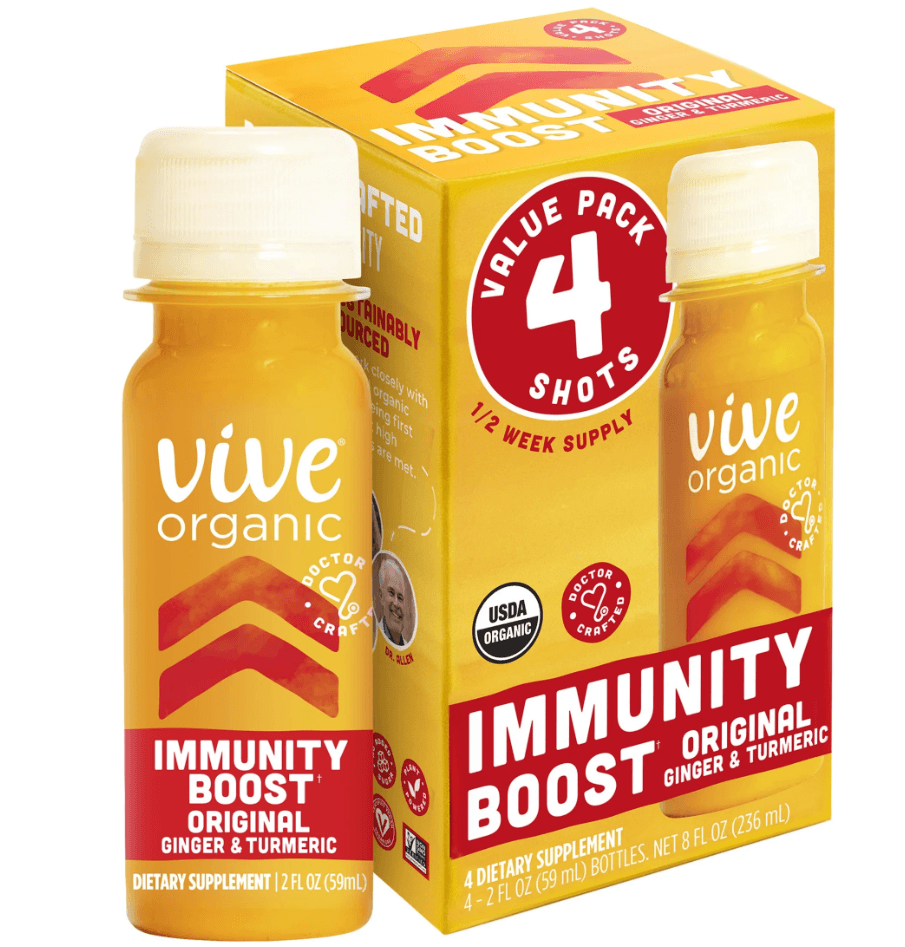
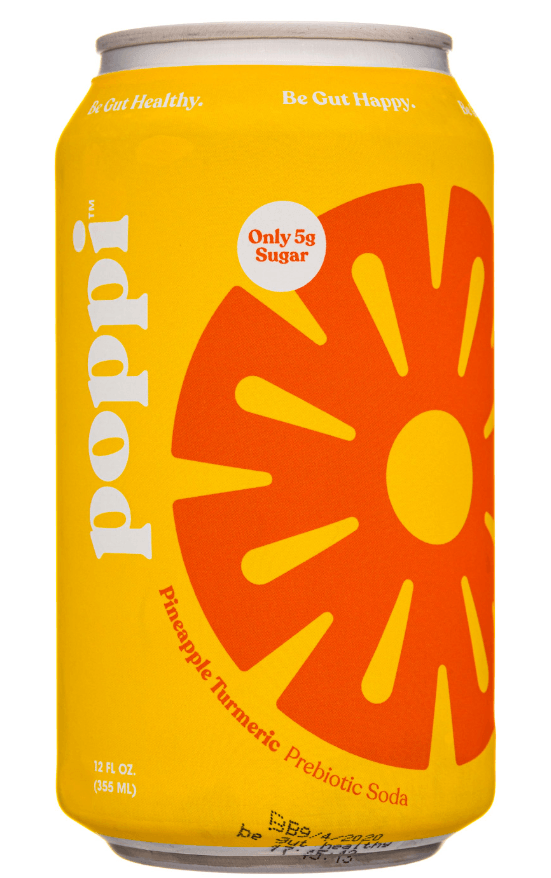
At the same time, the surge in wellness shots and immunity-focused beverages has made turmeric one of the most recognizable “everyday ritual” ingredients. Alongside ginger and elderberry, turmeric appears in digestion shots, anti-bloat blends, pineapple-turmeric tonics, and daily wellness formulations that position the spice as part of a proactive lifestyle rather than an occasional health boost.
Snacking trends have also embraced turmeric for both its visual impact and its “better-for-you” cues. Turmeric is appearing in turmeric-ginger roasted nuts, golden popcorn, spiced chickpea puffs, grain-free crackers, and vegetable chips, where its bright hue and warm flavor help bridge global inspiration with modern functionality. This also extends into the plant-based space, where turmeric provides both color and subtle grounding notes in plant-based cheeses, vegan ranch dressings, egg alternatives, and plant-based chicken-style seasonings.
Turmeric remains central to the rising popularity of global spice blends, from garam masala and berbere to Malaysian rendang and Mediterranean turmeric–lemon combinations. These regional influences continue to shape menu development and packaged goods, offering approachable warmth while tapping into global flavor exploration — a top trend among younger consumers and culinary professionals alike.
Beyond these culinary and beverage applications, turmeric is increasingly tied to the expanding “beauty from within” movement. Products positioned for skin clarity, digestion support, reduced bloat, or overall “glow” commonly feature turmeric as a hero ingredient. This trend spans categories like functional chocolates, beauty bars, teas, hydration mixes, and superfood beverages, underscoring turmeric’s broad emotional and functional appeal.
Turmeric’s influence has even reached the premium bakery and dessert space, where it appears in turmeric-honey cookies, golden loaf cakes, wellness muffins, and coconut-turmeric pastries. These formats use turmeric not only for flavor and color but also for the perceived functional value that elevates traditional indulgences into intentional, modern offerings.
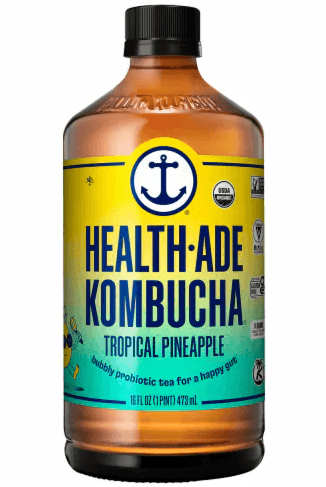
Across categories, contemporary brands that lead the wellness and functional space — from OLIPOP and Poppi to Vive Organic, Three Trees, Health-Ade, and Rebbl — continue to spotlight turmeric in product development. Their success reinforces turmeric’s position as a modern, multipurpose ingredient that resonates with consumers looking for flavor, health, and visual impact in a single, recognizable component.
Explore This Familiar Spice With Endless Possibilities
Part of turmeric’s staying power lies in its emotional resonance. It feels familiar without being boring, and exotic without being intimidating. Many consumers have encountered it in home cooking, restaurants, or wellness products and are willing to embrace it as an ingredient in snacks, sauces, dressings, and ready-to-eat meals. The spice’s golden color and health benefits also add to its perceived value, helping brands create a powerful marketing position for their new product.
At NuSpice, we see turmeric not just as a spice, but as an opportunity — an opportunity to build depth, tell a story, and create memorable flavor experiences. Start exploring inspired uses of turmeric by contacting our seasoning specialists today. We’ll help you discover how this golden ingredient can bring a bold impact to your next innovation.