
Umami has become a go-to lever in modern seasoning development because it solves a challenge brands feel every day: consumers want big, comfort-forward flavor, but they also expect profiles that stay balanced, clean, and repeatable across production. They want snacks that taste freshly roasted, plant-forward proteins that feel hearty, sauces that land with simmered richness, and soups that deliver warmth without needing a long ingredient list or extended cook times.
That’s where umami shines. It is the foundational depth that makes flavors feel fuller, rounder, and more satisfying. It’s the difference between a seasoning that tastes good and one that tastes finished. Umami helps products taste roasted, simmered, or gently reduced, even when the process is streamlined, because it supports the kind of lingering savoriness people associate with comfort foods.
At NuSpice, we partner with manufacturers and food brands to develop consumer-ready seasoning blends that deliver consistent savory impact by thoughtfully balancing umami, salt, aromatics, heat, and brightness. When those elements are tuned together, umami isn’t loud or overpowering; it’s the quiet force that makes everything else click.
What Is Umami and Why Is It Important in Seasonings?
Umami is often described as a savory taste distinct from sweet, salty, sour, and bitter (the other four basic tastes). But in practical seasoning work, it’s less about a single “taste note” and more about the way flavor behaves.
Umami builds perceived richness, enhances mouthwatering depth, and creates longer, more satisfying finishes. It’s the sense that something is hearty, brothy, roasted, or gently aged, even when the formula is dry, shelf-stable, or quick-cooked.
That impact is exactly why umami is so important in seasoning systems across categories such as:
- Snacks: Umami gives chips, popcorn, and extruded snacks a “can’t get enough” quality, making flavor feel deeper than surface-level dusting.
- Proteins: It reinforces roasted and grilled cues, boosts satisfaction, and helps seasonings read as savory rather than sharp or salty.
- Soups & Sauces: It supports that simmered, rounded taste that consumers expect from comfort-forward products.
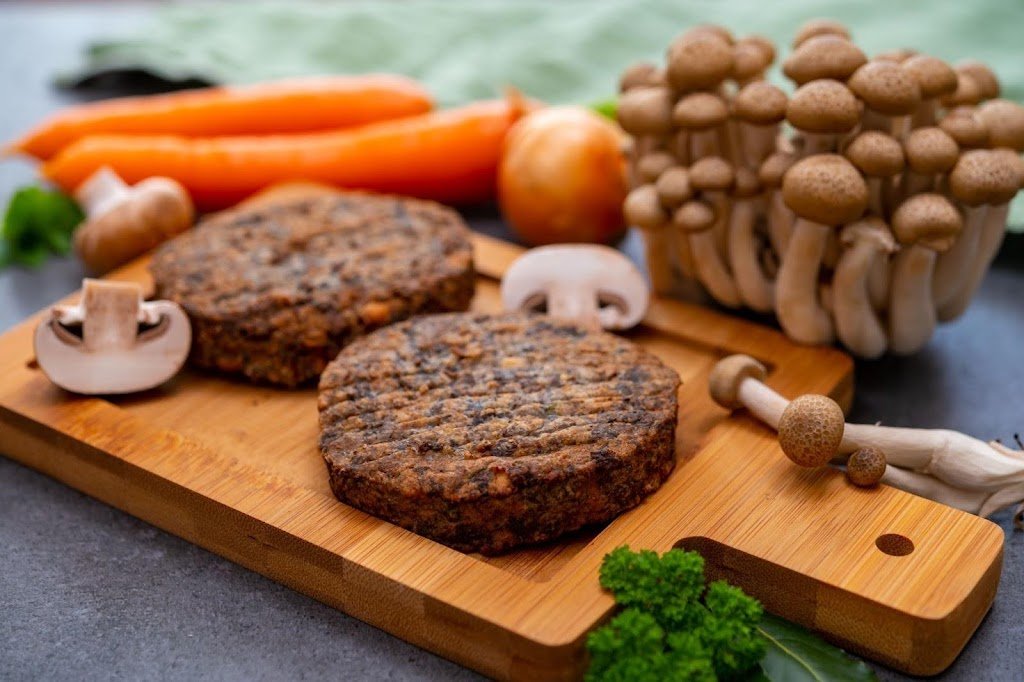
- Plant-Based Foods: Umami bridges the gap between “seasoned” and “complete,” adding fullness that helps vegan products feel more indulgent and less flat.
Most importantly, umami supports craveability — that “moreish” flavor that keeps consumers reaching for another bite. It does this by adding depth that the palate reads as nourishing and familiar. When umami is well-built, it makes seasonings feel less like a single snapshot and more like a full story: an opening note, a savory middle, and a lingering finish that invites you back in.
Popular Examples of Umami in Dry Seasoning Systems
In dry seasoning systems, a few powder ingredients are especially valuable in creating umami because they deliver dependable savory character, layer well with other flavor families, and perform across a range of applications.
Tomato Powders (and Tomato-Forward Ingredients)
Tomato powders bring rounded, slightly sweet-savory depth with a naturally “cooked” vibe. They’re especially effective when you want umami that feels familiar and approachable, less earthy, more cozy. Tomato-forward ingredients can help a blend taste like it’s been gently reduced or slow-simmered, giving sauces, snacks, and protein rubs a fuller baseline.
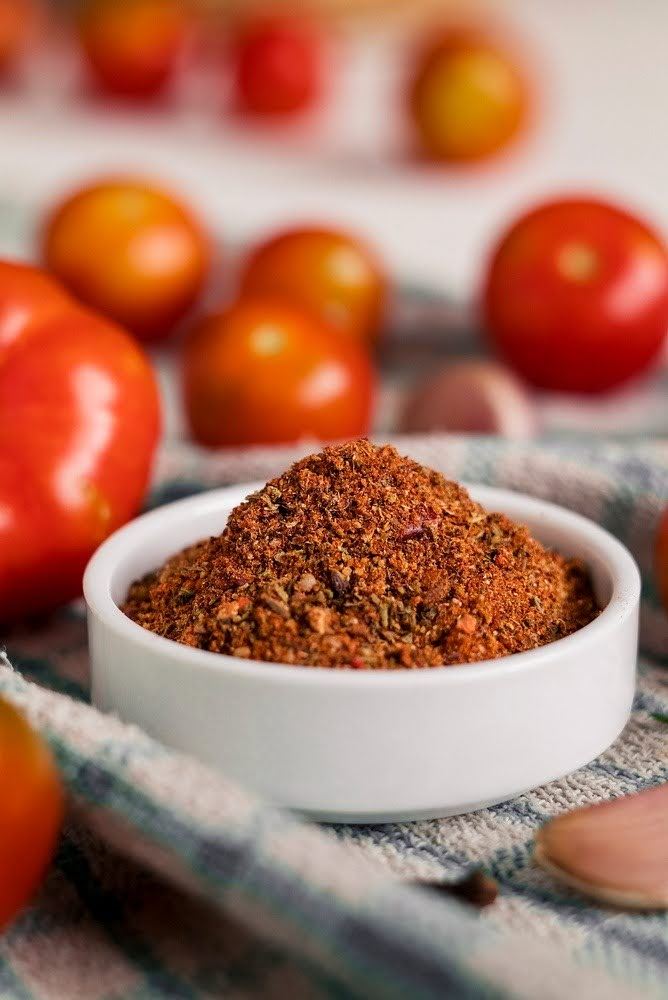
Tomato powders also have a talent for shaping the tone of savory flavor. They can make seasonings feel warmer, more golden, and more comfort-driven, supporting profiles like roasted garlic, smoky paprika, or tangy herb blends without tipping into sharp acidity. Used thoughtfully, tomato makes the whole blend feel more complete.
Standard tomato powders tend to provide a more rounded, balanced umami, with natural sweetness and gentle acidity that supports a “simmered” or “sauce-like” foundation.
Sun-dried tomato, by contrast, is more concentrated and intensified. The drying process reduces water content and concentrates glutamates, sugars, and organic acids, resulting in a deeper, slightly tangier umami with a subtle caramelized edge. It reads less like fresh-cooked and more like slow-reduced or aged.
Mushroom Powders
Mushroom powders are a favorite for delivering earthy, roasted savoriness — the kind of depth that reads as “oven-roasted.” They shine in comfort profiles, plant-forward seasonings, and global-inspired blends where you want savory character that feels naturally rich.
What makes mushroom powders so compelling is their ability to add a dark, toasty foundation that supports spice, aromatics, and fat-forward cues. They can help a seasoning feel more real and less like a top-note flavoring, especially in applications where you want depth without relying on heavier flavors.
Yeast Extract
Yeast extract is a powerhouse for brothy, meaty richness. In dry seasoning systems, it can create the kind of lingering finish that makes a blend feel satisfying and savory from the first bite to the last. It’s often used to reinforce “soupy,” “stewed,” or “roasted” cues, especially where the goal is comfort and repeatable depth.
Yeast extract is also excellent for supporting overall cohesion in a blend. It can connect aromatics to salt, bridge spice to savory, and help flavors read as integrated rather than layered on top of one another.
Natural Flavors
Natural flavors are another powerful, and often more precise, way to build umami in seasoning systems. While the term “natural flavors” can feel broad from a labeling perspective, in formulation it represents a highly functional toolbox for delivering targeted savory impact.
At NuSpice, we often use natural flavor systems that can mimic or enhance the effect of traditional umami contributors like MSG, without requiring MSG on the label. These ingredients are designed to amplify savory perception, improve mouthfeel, and extend the finish of a seasoning, helping flavors feel more complete and cohesive.
In addition to dry systems, both wet and dry reaction flavors play an important role in building layered umami. These are created through controlled reactions (often involving amino acids and sugars) to develop complex, cooked, or fermented flavor profiles.
Examples include:
- Anchovy-type flavors for deep, savory, slightly briny richness
- Olive-type flavors for fermented, salty-green complexity
- Roasted or browned reaction flavors for cooked, caramelized depth
These ingredients allow developers to introduce very specific savory cues—whether that’s a hint of aged, fermented character or a fully developed “slow-cooked” note—without adding bulk or shifting the overall balance of the blend.
Used strategically, natural and reaction flavors act as precision tools in umami design, helping fine-tune savory intensity, reinforce global flavor cues, and create a more dynamic, front-to-back flavor experience.
How to Use Umami to Build Signature Seasonings
Umami is most impressive when it’s not treated as a shortcut, but as a design principle. This is why the best savory blends build an architecture that holds up across formats, processes, and consumer expectations.
Layer Umami Sources for Front-to-Back Savoriness
A common pitfall in savory seasoning is one-note heaviness — umami that hits hard and then sits there, turning everything “brown.” Layering prevents that. Instead of relying on a single source, you can create front-to-back savoriness: an opening that feels inviting, a middle that builds depth, and a finish that lingers.
Pair Umami With Brightness to Keep Blends Lively
Without brightness, savory blends can start to feel muted or overly dark, like a flavor that never opens up. A smart approach is to pair umami-rich powders with bright, clarifying notes that keep the profile clean and modern.
Brightness can come from many places, including tangy cues, herbaceous lift, gentle allium sparkle, or other crisp accents, depending on the target profile. The goal isn’t to make the seasoning “sharp.” The goal is to keep it awake, so the savoriness feels satisfying rather than sleepy.
Use Umami to Support Global Flavor Cues
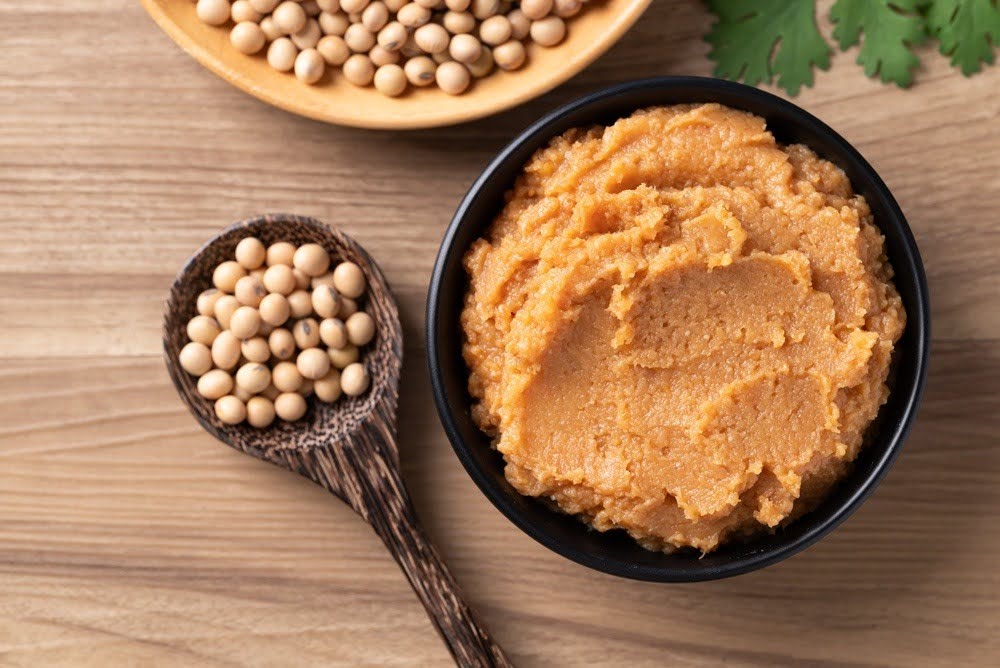
Umami is one of the easiest ways to signal global inspiration in a way consumers instantly understand because many beloved cuisines lean on roasted, fermented-inspired, simmered, or tomato-forward depth.
Umami-rich powders can help build cues like:
- Roasted Comfort: “Oven-browned” savoriness that reads as slow-cooked.
- Fermented-Inspired Depth: A subtle suggestion of aged, developed flavor without overwhelming the blend.
- Tomato-Forward Warmth: Cozy, tangy-savory character that feels like a sauce base or stew foundation.
- Mushroom-Forward Richness: Earthy depth that works beautifully in plant-forward, chef-driven, and premium savory profiles.
The key is to use umami as a supporting storyteller. It shouldn’t drown out the herbs, spices, or signature aromatics. Instead, it creates the stage where those top notes feel more vivid.
Design for Consistency Across Batches and Formats
Even the most craveable flavor concept can fall flat if it doesn’t hold steady across production. Umami can actually be a strong ally here because it helps create a dependable baseline of savoriness that makes the eating experience feel familiar every time.
When umami, salt, aromatics, heat, and brightness are balanced as a system, brands can achieve a seasoning profile that feels consistent from batch to batch and dependable across application formats, whether it’s a snack coating, a protein rub, a soup base, or a dry blend for prepared foods.
Embrace the Art & Science of Umami
NuSpice helps brands create modern seasoning blends that use umami-rich powders like tomato, mushroom, and yeast extract to deliver savory depth, richness, and signature character while keeping the overall flavor balanced and consumer-friendly. Whether you’re aiming for a craveable snack seasoning, a plant-forward blend that eats like a classic favorite, or a global-inspired signature that stands out on the shelf, umami can be the backbone that turns a good concept into a repeatable win.
If you’re ready to explore new umami-forward seasoning concepts designed to help your products stand out in today’s market, reach out to our team, and let’s craft a flavor profile that wins.