
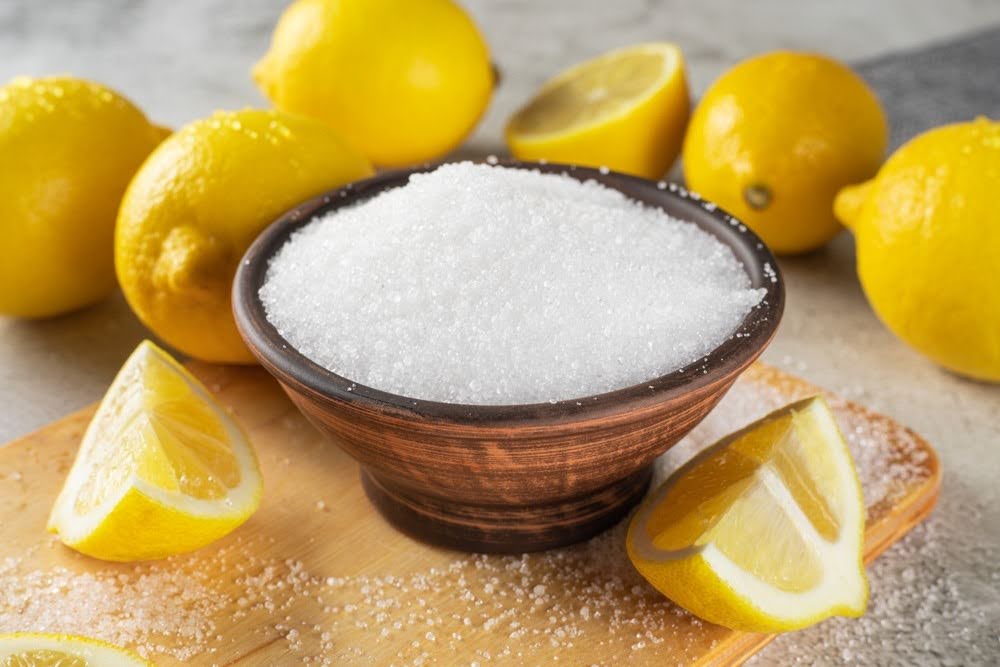
Acid has become one of the most powerful tools in modern flavor design, and it’s not hard to see why. Today’s consumers aren’t just looking for “tasty.” They’re chasing flavors that feel bright, craveable, and snackable: profiles that spark quickly, stay interesting bite after bite, and leave a clean, exciting impression that invites the next handful. Whether it’s a zingy chili-lime chip, a tangy pickle-inspired seasoning, or a tomato-forward blend with a gentle fermented twist, acidity is often the difference between a flavor that’s merely good and one that feels alive.
In seasoning development, acidity can sharpen flavor definition, lift aroma, and help complex profiles read as fresher and more layered. Even a small adjustment can make a blend feel more vibrant, more memorable, and more modern.
At NuSpice, our research and development team helps brands develop distinctive, consumer-ready seasoning profiles by thoughtfully balancing tang, salt, heat, and savory notes to deliver consistent impact across snack applications. When acidity is built in with intention, it doesn’t just add sourness — it adds clarity, structure, and craveability.
Why Acids Matter in Modern Seasoning Design
In a world of bold flavors and fast-moving trends, acidity gives seasonings a competitive edge. It helps flavors cut through richness, keeps profiles from feeling one-note, and supports the kind of bright, high-impact experience consumers love in chips, popcorn, extruded snacks, nuts, and beyond.
Acidity also plays beautifully with contrast — one of the biggest drivers of craveability. Sweet + sour. Salty + tangy. Spicy + bright. Savory + sharp. These pairings register quickly on the palate and create a dynamic eating experience that feels both satisfying and energizing.
From a product standpoint, acid can also help flavors “read” more clearly. That means a ranch seasoning can feel more dill-forward and herbaceous. A barbecue profile can feel more tomato-bright and less heavy. A hot blend can feel cleaner, sharper, and more exciting without just turning up the heat.
What Counts as “Acid” in Seasonings?
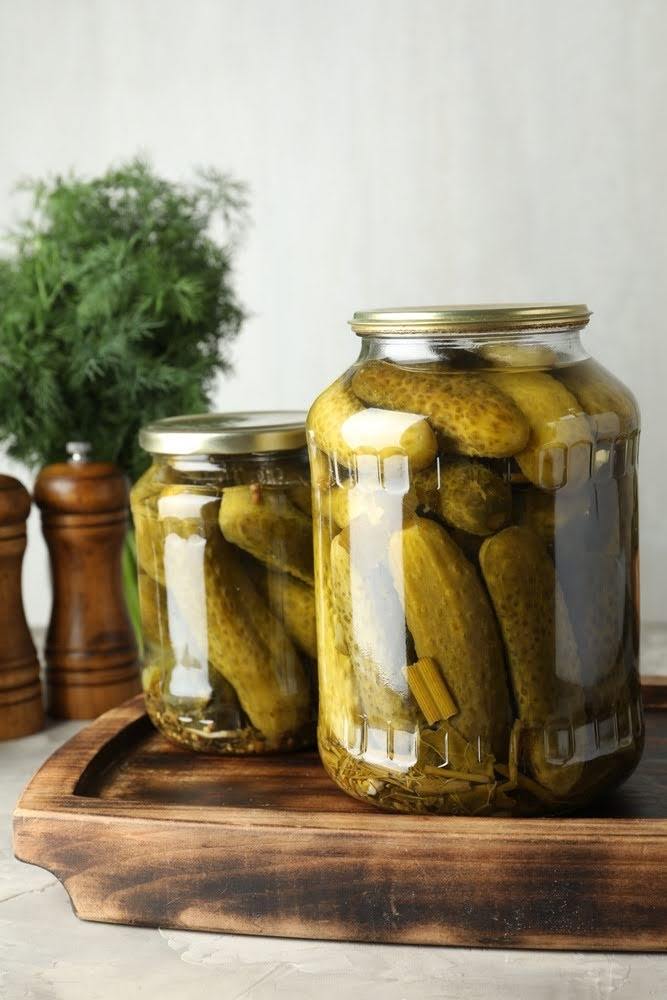
In seasoning development, acid can take many forms — each with its own personality, intensity, and flavor cues.
Some acidity is citrusy and sparkling, delivering a quick brightness that hits early. Some are vinegary and punchy, signaling classic snack flavors like salt & vinegar or dill pickle. And some acidity is tomato-forward or fermented-inspired, creating depth and savory-tang complexity that feels modern and globally influenced.
In practical terms, acids in seasonings are often chosen based on the flavor direction you’re building:
- Citrus cues (think lemony, limey, yuzu-inspired brightness)
- Vinegar cues (clean and sharp, or deeper and more rounded, depending on the target profile)
- Tomato or fruit-forward tang (often used to bring lift to savory blends)
- Fermented-inspired tang (kimchi-inspired, sour-ish notes, or subtle cultured cues)
What matters most isn’t just adding sourness. It’s choosing the kind of tang that supports the story of the seasoning and then balancing it so it feels intentional, not harsh.
Common Acidulants Used in Seasoning Systems
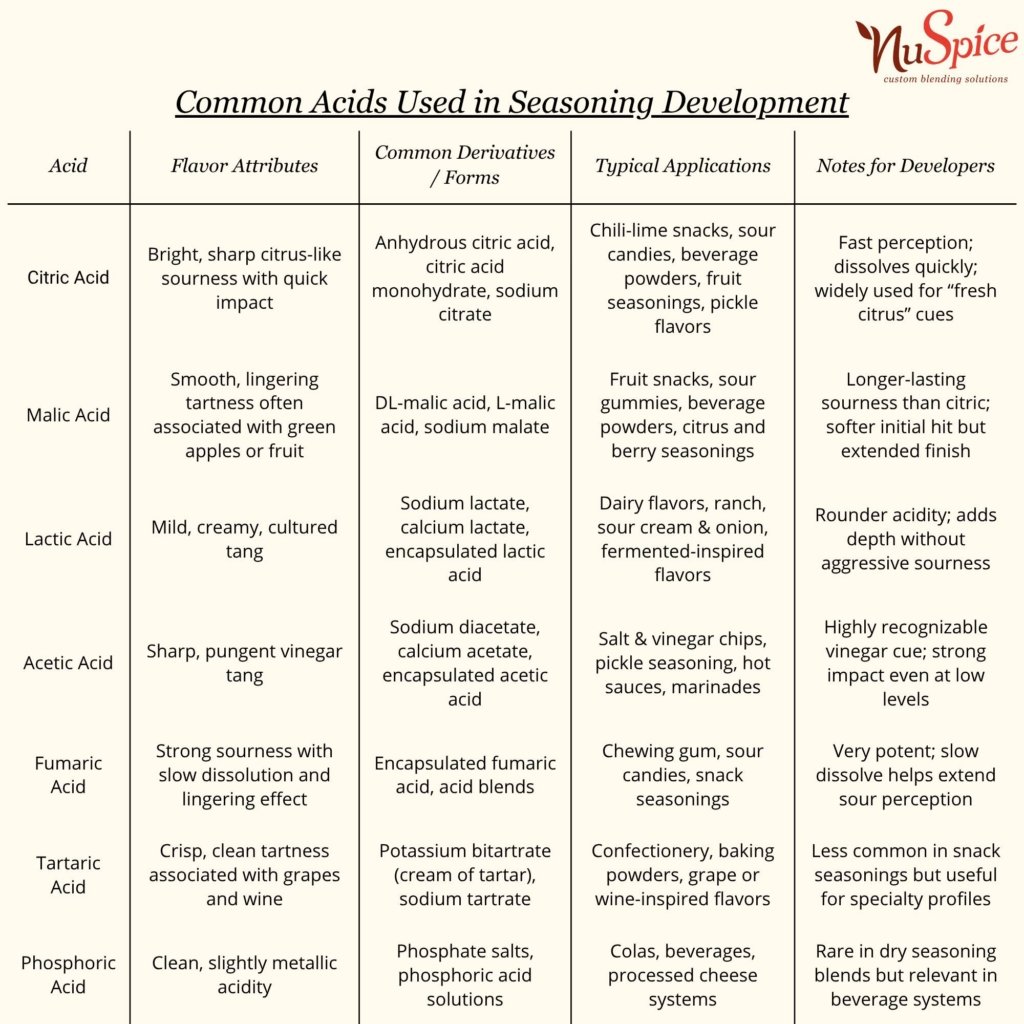
In seasoning systems, acidity is typically introduced through powdered acidulants such as citric acid, malic acid, lactic acid, acetic acid, and fumaric acid. Each brings its own flavor curve and sensory timing, allowing formulators to control not just how sour a seasoning tastes, but how that tang appears and evolves on the palate.
Citric acid delivers a bright, fast citrus-like pop often associated with lemon or lime profiles. Malic acid produces a smoother, longer-lasting tartness commonly linked to fruit-forward flavors. Lactic acid offers a softer, cultured tang often used in dairy-inspired or fermented-style profiles, while acetic acid contributes the sharp, recognizable punch found in vinegar-driven seasonings. Fumaric acid, which dissolves more slowly, can provide a lingering sourness that extends flavor impact during the eating experience.
By selecting the right acid — or layering multiple acids together — developers can shape the speed, intensity, and finish of acidity, helping seasonings feel more dimensional and balanced.
In many snack applications, layering different acidulants allows developers to create a quick burst of tang up front while maintaining a subtle lingering brightness that keeps the flavor interesting through multiple bites.
Common Acids Used in Seasoning Development
Key Roles Acids Play in Flavor Performance
Brightness & Flavor Lift
One of acidity’s biggest strengths is its ability to elevate aromatics and help flavors pop. If you’ve ever tasted a seasoning that felt muted — like the herbs were there, but not “speaking” — acidity may be the missing piece. The right acid note can create definition around top notes like citrus, onion, garlic, herbs, and spices, making them feel more vibrant and aromatic.
This is especially important in rich or fatty foods. Snacks often contain oils, cheese notes, or savory bases that can soften flavor edges. Acidity cuts through that richness and keeps the profile feeling awake. It’s why chili-lime feels so electric on a crunchy snack, and why tangy notes can make even a deep savory blend feel lighter and more snackable.
In development, this “lift” can be the difference between a flavor that tastes good in the bowl and one that tastes great after packaging, distribution, and real-world eating.
Balancing Saltiness, Sweetness, and Heat
Acidity helps reshape the perception of saltiness, sweetness, and heat.
- Salt: In many profiles, acidity helps deliver a “salty punch” without the blend tasting blunt or flat. It’s like tightening the flavor image so it feels crisp and intentional. In many profiles, acidity helps deliver a “salty punch” without the blend tasting blunt or flat. It’s like tightening the flavor image so it feels crisp and intentional. In some formulations, acidity can also enhance the perception of saltiness, allowing developers to maintain flavor impact while moderating sodium levels — an increasingly important strategy in modern snack development.
- Sweetness: Acid can tame sweetness and keep it from feeling sticky or heavy. This is valuable in flavors that lean on brown sugar cues, honey notes, or a sweet barbecue direction. With acidity, you can preserve that sweet character while adding contrast that keeps the profile moving.
- Heat: Instead of a slow, muddled burn, the right tang can make spice feel brighter and more energetic. It can also help prevent “heat fatigue,” where the consumer’s palate gets overwhelmed, and the flavor starts to blur.
Enhancing Savoriness & Reducing Heaviness
Savory seasonings can be deeply satisfying, but they can also become dense, especially in snacks where umami-rich notes, cheese cues, or roasted profiles build quickly. Acidity helps keep savory blends from feeling flat or lingering. It introduces lightness and motion, so each bite feels complete without becoming tiring. Acidity also interacts with umami-rich ingredients such as tomato powder, mushroom extracts, yeast extracts, or fermented flavor systems. The right tang can help these savory elements feel brighter and more defined rather than heavy or lingering on the palate.
Consistency in the Eating Experience
Acidity contributes to a clean finish — one that feels bright rather than lingering or dull. That matters in snacks, where the goal is often repeat grabs and repeat purchases.
Acidity can also support repeatable consumer perception across batches. When a flavor is designed with structure — where tang is balanced against salt, heat, and savory notes — the profile tends to hold up better in production and across different snack formats. You get a seasoning that not only tastes great, but tastes like itself every time.
Functional Roles of Acids in Seasoning Systems
Beyond taste perception, acids also serve important functional roles in seasoning systems and finished food products. In many applications, acidulants contribute to flavor stability, product quality, and overall performance during processing and shelf life.
One of the most important functional contributions acids make is influencing pH once the seasoning is applied to a food or hydrated within a product system. In fried snack applications, acidulants can also influence seasoning performance on the product surface. The interaction between acids, salt, carriers, and surface oils can affect how evenly a seasoning adheres to chips, popcorn, or extruded snacks, helping maintain consistent flavor distribution throughout the package.
For example, citric acid is often used in tandem with antioxidants such as BHA or BHT in fat-containing systems (animal or plant-based). Citric acid can bind trace metals that accelerate oxidation, allowing the antioxidant system to work more effectively and helping protect oils and delicate flavor compounds from developing rancid or stale notes over time.
In some seasoning systems, buffering salts such as sodium citrate or acetate salts are used alongside acids to maintain flavor balance and prevent acidity from becoming overly sharp during processing or shelf life.
Acids can also influence how flavors release during eating. Developers frequently layer multiple acidulants to shape the timing of sour perception. A combination of citric acid and malic acid, for instance, allows citric acid to deliver an immediate burst of brightness while malic acid provides a smoother, longer-lasting tartness. This approach helps maintain flavor impact across multiple bites, particularly in fast-consumption snack foods like chips, popcorn, and extruded puffs.
In some savory seasoning systems, acids may also support flavor authenticity and product stability when paired with complementary ingredients. Lactic acid and acetate-based ingredients, for example, are often used together in dairy-inspired or fermented-style flavors such as ranch or sour cream & onion to reinforce tangy flavor cues while supporting product consistency.
When used strategically, acids become more than just flavor enhancers — they become structural components of a seasoning system, helping brands deliver both sensory impact and reliable product performance.
Smart Ways Brands Use Acidity to Build Craveability
Here are a few smart strategies brands use to create tang-forward craveability while keeping the profile balanced and consumer-friendly.
Build Layered Acidity
Craveable seasonings often have a journey. A quick, bright hit up front creates excitement, while a softer finishing tang keeps the flavor present through the chew and after the swallow. This layering helps seasonings feel more dimensional and “crafted,” especially in applications like chips, popcorn, and puffed snacks, where the palate experience moves fast. In some seasoning systems, acids may also be encapsulated or plated onto carriers to control when acidity releases during eating, allowing formulators to fine-tune flavor timing and prevent premature sourness during processing.
Manage Sharpness vs. Roundness
Not all tang should hit the same way. Some flavors call for a crisp, immediate punch. Others need a smoother, rounder acidity that supports the profile without dominating it. The best results come from matching the texture of the acidity to the brand’s flavor goal, whether that’s bold and bracing or balanced and approachable.
Align Acidity With Regional Flavor Cues
Acidity carries cultural signals, which makes it a powerful tool for building authentic, on-trend flavor identities. Brands often lean into specific cues such as:
- Citrusy brightness for chili-lime, street corn-inspired, or coastal/global spice blends
- Vinegary tang for classic snack favorites like pickle, salt and vinegar, or hot-and-tangy profiles
- Tomato-forward lift for barbecue, pizza-inspired, or “saucy” seasoning directions
- Fermented-inspired tang for kimchi-style, tangy chili, or modern savory blends that feel adventurous
When acidity matches the expected cue, the seasoning tastes more believable and more craveable. Many globally inspired snack flavors rely on distinctive acid cues — from the citrusy brightness of Mexican chili-lime blends to the fermented sourness found in Korean kimchi-inspired profiles. Because many acidulants are hygroscopic, seasoning system design often considers moisture management and carrier selection to maintain flowability and prevent caking during storage and application.
Maintain Batch-to-Batch Consistency Through Thoughtful System Design
Tang can be sensitive: a small shift can move a seasoning from bright to harsh, or from balanced to muted. That’s why thoughtful seasoning system design matters. This can help brands build a profile where the five basic tastes reinforce one another in a stable, repeatable way.
For brands scaling production or launching multiple SKUs, this structure helps ensure the consumer experience stays consistent across formats, manufacturing conditions, and time.
Take a Bold Step in Adding Acidity to Your Flavor Profile
When acidity is used with intention, it can elevate aroma, brighten rich foods, sharpen spice, reduce heaviness, and create the kind of clean, craveable finish that keeps consumers coming back.
NuSpice partners with brands to create bold, balanced seasoning blends that use acidity to elevate flavor, improve craveability, and help products stand out. Whether you’re building a tang-forward hero flavor, modernizing a classic profile, or exploring new regional inspirations, our team can help you develop distinctive seasoning concepts designed for today’s consumer preferences.
If you’re ready to explore what tang can do for your next product, reach out to NuSpice to collaborate on new seasoning ideas that taste bright, layered, and unmistakably delicious.