
Today’s snack, prepared food, and protein brands are under real pressure to deliver bold, consistent flavor every time — in every bag, bite, or bowl. But the reality of production doesn’t always make that easy. Seasonings can apply unevenly, delicate top notes can fade, powders can dust off during conveying, and finished products can take a beating through processing stress like heat, shear, freezing, frying, or baking. Add in the need for clean labeling, cost control, and repeatable results across multiple plants, and “great flavor” becomes a much bigger challenge than simply choosing the right spice blend.
You need to consider seasoning performance — how flavor is carried, delivered, and protected across the product lifecycle. In other words, you can have a fantastic flavor profile on paper, but if it doesn’t adhere well, distribute evenly, hold up through processing, and release beautifully during eating, the consumer won’t experience it the way you intended.
At NuSpice, we help brands develop seasoning systems built for the real world — systems designed to perform reliably on production lines and deliver consistent consumer experiences from the first bite to the last. Flavor carriers are a major part of that performance story.
What Are Flavor Carriers?
Flavor carriers are the functional delivery vehicles in a seasoning system. They help hold, move, attach, protect, and release flavor components on or within a food product. Ultimately, carriers help ensure that the flavor you designed is the flavor consumers actually taste.
Carriers can be part of the blend itself, part of the application method, or part of the product’s surface (like an oil layer or a batter). Depending on the application, carriers may help seasonings cling to a chip, disperse evenly through a sauce, protect volatile aromatics during baking, or control how quickly flavor blooms on the tongue.
Most importantly, carriers help bridge the gap between a lab bench win and a production-line win, where variables like humidity, line speed, dwell time, product temperature, and surface texture can dramatically affect results.
How Liquid Flavors Are Converted Into Dry Seasoning Systems
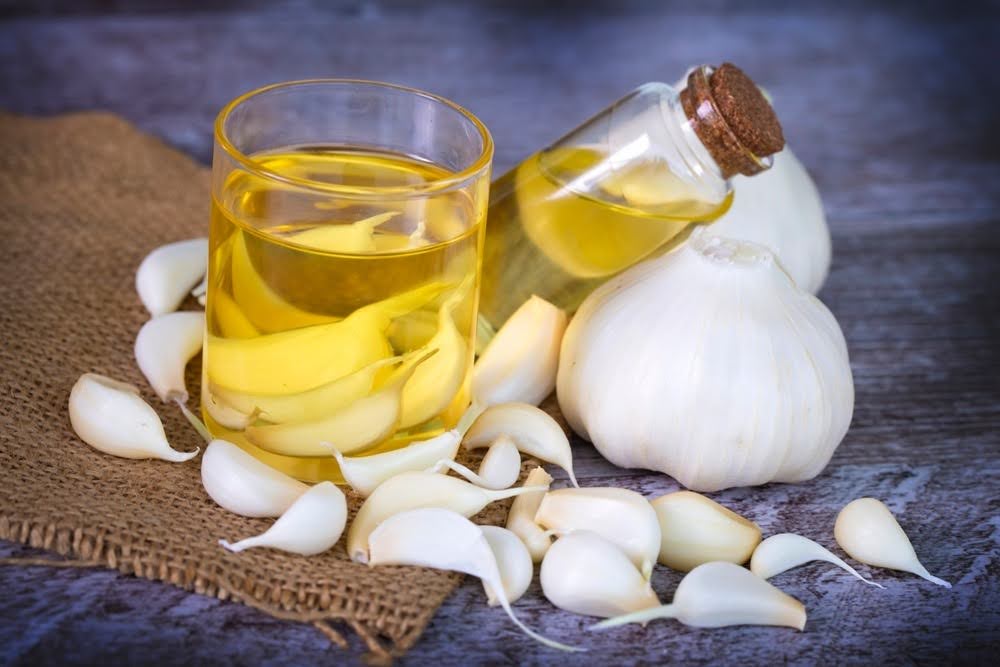
Many high-impact flavor components begin in liquid form. Oleoresins, natural extracts, essential oils, and certain reaction flavors are often highly concentrated liquids that deliver intense aroma and taste but are difficult to apply directly in dry seasoning systems.
To make these ingredients usable in powdered blends, they are often plated onto dry carrier materials such as maltodextrin, dextrose, fibers or functional starches. These carriers absorb and stabilize the liquid flavor components, converting them into free-flowing materials that can disperse evenly during blending and application.
This process helps solve several practical challenges in seasoning manufacturing:
- Improved flowability and handling during batching and blending
- More uniform distribution of potent flavor compounds throughout the seasoning system
- Reduced volatility loss of delicate aromatics during processing and storage
- Better compatibility with dry application systems used for snacks, coatings, and protein seasonings
Carriers also influence how flavor performs once applied to the finished product. By stabilizing oils and extracts within a dry matrix, they help ensure that concentrated flavor compounds release in a controlled and consistent way during eating.
Functional Carriers That Support Manufacturing Performance
In addition to helping deliver and stabilize flavor, carriers are often used to optimize how seasoning blends behave during manufacturing. In these cases, the carrier plays a functional role in the physical performance of the blend, helping ensure the seasoning can be produced, handled, and applied consistently at scale.
Seasoning blends frequently combine ingredients with very different particle sizes, densities, and moisture sensitivities. Without the right carrier system, these differences can create challenges such as segregation during transport, poor flow through batching equipment, inconsistent metering, or uneven application on the finished product.
Functional carriers such as maltodextrin, dextrose, starches, or other carbohydrate systems can help stabilize the blend’s physical behavior by:
- Improving flowability so seasonings move smoothly through hoppers, augers, and feeders
- Reducing segregation between fine powders and larger particulates during handling and storage
- Supporting consistent bulk density, which helps maintain reliable batching and dosing
- Absorbing small amounts of oil or moisture that might otherwise cause clumping or caking
- Creating a more uniform particle system that applies more predictably in tumblers or coating systems
In many seasoning systems, these functional carriers are just as important as the flavor components themselves. When the physical properties of a blend are optimized, manufacturers experience fewer line interruptions, more consistent pickup during application, and tighter control over finished product flavor.
Key Ways Flavor Carriers Improve Seasoning Performance
Adhesion & Pickup
One of the most common seasoning frustrations is when the seasoning doesn’t stick or it sticks inconsistently. When pickup varies, your finished product can swing from “under-seasoned” to “over-seasoned” within the same batch, and the only “fix” becomes adding more seasoning (which can raise cost and intensify dusting).
Flavor carriers can improve adhesion by helping the seasoning bind to the product surface more effectively. That might mean supporting the oil-and-seasoning relationship on snacks, improving cling on extruded products with smoother surfaces, or enhancing pickup on proteins where surface moisture and fat content can change from lot to lot.
Better adhesion also means less seasoning loss in the packaging and distribution journey. When seasonings stay where they belong, you get a cleaner process, a more predictable yield, and a more consistent eating experience.
Flavor Uniformity & Distribution
Even when seasoning sticks, it doesn’t always distribute evenly. This is where many products run into “hot spots” and “dead zones” — a bite that pops followed by a bite that falls flat. Consumers notice. Worse, inconsistency can erode trust in the brand, especially for signature flavors people repurchase.
Carriers help improve uniformity by supporting a seasoning’s flow, dispersibility, and physical behavior during application. In topical systems, that can mean improving how seasoning spreads across a moving bed of chips or popcorn. In dry mixes, it can mean supporting even distribution of high-impact flavor components to avoid segregation in handling. In prepared foods, carriers can help ensure consistent flavor delivery throughout a sauce, filling, or crumble topping.
Uniformity is also about resilience, or how well the seasoning holds its distribution through vibration, conveying, and packaging. A system that looks great right after tumbling but separates after two days in a tote isn’t truly uniform. Carriers can help maintain that stability.
Protection Through Processing
Processing can be hard on flavor. Heat can flatten delicate aromatics. Shear can break down emulsions or disrupt flavor dispersion. Freezing can dull perception. Frying and baking can shift flavor balance as moisture and fat migrate.
Carriers help protect seasoning performance by supporting the flavor system through those challenges, especially when a product must taste the same whether it’s fresh off the line, frozen for months, or reheated in a microwave.
A well-designed carrier strategy helps stabilize the flavor impact so consumers get the intended experience without having to overbuild intensity at the start.
Taste Release & Eating Experience
Seasoning doesn’t just need to survive; it needs to perform on the palate. That means release timing matters. Some products should deliver an immediate pop. Others benefit from a slower build that keeps consumers coming back for another bite. And in many cases, balancing upfront aroma with lingering taste is what makes a seasoning feel “premium” rather than one-note.
Carriers influence how flavor releases during chewing and salivation. They can help manage whether flavor hits instantly, blooms mid-chew, or lingers in the finish. They can also impact how “round” or “sharp” a seasoning feels, which is important for categories where consumers expect a certain sensory signature (think: creamy, buttery, smoky, tangy, or roasted).
Taste release is also where texture meets flavor. A seasoning that releases too quickly can feel intense but fleeting. One that releases too slowly can feel muted. Carrier strategy helps align flavor delivery with the product’s eating mechanics — crunch, melt, chew, or sip.
Choosing the Right Carrier for the Application
There’s no universal “best” carrier — only the best fit for the product, format, and line realities. Choosing wisely starts with asking the right questions about where the seasoning lives and how it will be applied.
Powders vs. Topical Seasonings
Powder systems (used in dry mixes, inclusions, or blended applications) often prioritize controlled flow, reduced segregation, and consistent dispersion. Considerations include particle size alignment, handling stability, and how the seasoning behaves in storage and transfer.
Topical seasonings (applied to product surfaces) are all about pickup and cling, as well as the sensory payoff of tasting flavor on the surface. Here, the surface condition (oil level, moisture, temperature, texture) and application equipment (tumbler type, spray systems, dwell time) play a huge role. The right carrier strategy can make topical systems more forgiving when those variables shift.
Snacks
Snacks demand strong performance in fast-moving environments, where dust control, pickup, and uniformity can make or break a run. Oil management is often central, but so is the product’s surface structure (puffed, extruded, kettle-cooked, baked, etc.). A carrier strategy should support both the line and the consumer experience for big flavor, even coverage, and minimal mess.
Coatings and Batters
In coatings and batters, the seasoning needs to behave inside a structured system, often with hydration, viscosity, and cook performance in play. The carrier approach may prioritize dispersion and processing stability so flavor doesn’t “wash out” or clump, and so it stays consistent across cook cycles.
Ready Meals
Ready meals are all about lifecycle. Seasoning has to taste right after manufacturing and still taste right after storage, distribution, and reheating. The “right” carrier strategy here often focuses on stability and repeatability, protecting intended flavor balance across temperature swings and time.
Proteins
Proteins can be tricky because surface characteristics vary widely — fat content, moisture, porosity, and cook method can all change flavor perception. A carrier strategy should account for how seasoning is applied (rub, marinade, injection, glaze) and how the protein will be cooked (grill, oven, fryer, microwave). The goal is consistent flavor impact across natural variability.
Seasoning Strategies Brands Can Use to Improve Consistency
You don’t need a complete overhaul to improve seasoning performance. In many cases, small, strategic adjustments can dramatically tighten results.
- Balance intensity with distribution realities. If a seasoning is designed for maximum punch but doesn’t distribute evenly, consumers experience it as inconsistent, not bold. Building flavor with uniformity in mind often delivers better perceived intensity.
- Manage salt perception thoughtfully. Salt isn’t just a seasoning but a perception tool. The way it’s delivered can influence how “seasoned” a product tastes, even at the same sodium level. A smart carrier strategy can support a satisfying salt experience without pushing the product into harshness or leaving it flat.
- Optimize application methods, not just formulas. Tumbler speed, oil temperature, spray pattern, and dwell time can shift pickup and uniformity. Aligning the seasoning system with the equipment reduces rework and variability.
- Improve batch-to-batch reliability with tighter physical targets. Consistency isn’t only flavor chemistry; it’s also physical behavior. Aligning particle size, controlling segregation risk, and ensuring stable handling characteristics can reduce surprises between batches and plants.
- Design for the “real” product journey. If a product will be frozen, baked, fried, or reheated, evaluate performance in those conditions early. Seasoning systems that win in real-world scenarios reduce reformulation cycles and protect launch timelines.
Enhance Flavor Systems to Deliver Performance, Consistency, and Craveability
When consumers fall in love with a flavor, they’re not just responding to a spice list — they’re responding to an experience that feels consistent, satisfying, and craveable. That experience comes from a seasoning system designed to perform across processing, packaging, and eating, and carriers play a crucial role in how that flavor is delivered and protected.
NuSpice partners with product teams to develop seasoning blends and delivery strategies built for performance and reliability, helping brands reduce variability, improve line success, and create flavors that show up the way they’re meant to, again and again.
If you’re exploring new flavor concepts or looking to improve seasoning consistency in snacks, prepared foods, coatings, or proteins, we’d love to collaborate on seasoning systems that help your products stand out while delivering dependable results in manufacturing and in-market. Speak to our research and development team today to get started!