
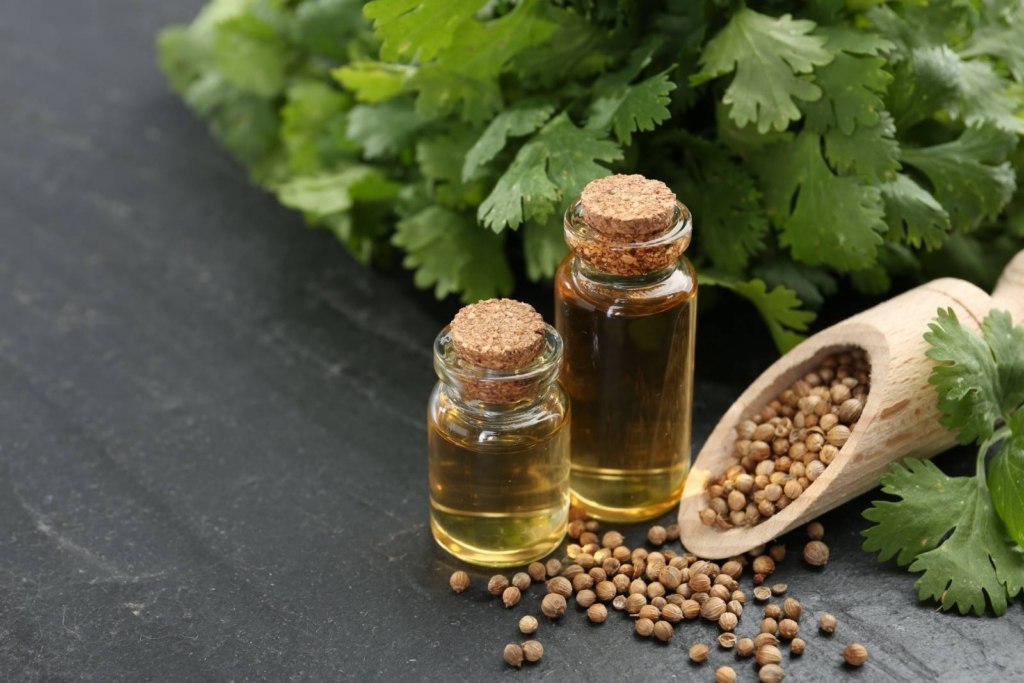
The meteoric rise of global cuisine has fundamentally reshaped consumer expectations, forcing food product developers to look far beyond standard flavor agents to satisfy a more adventurous palate. Modern consumers no longer view international profiles as exotic novelties; instead, they seek authentic, nuanced, and layered taste experiences in everything from ready-to-eat meals to premium snack foods.
To thrive in this evolving landscape, formulators must capitalize on the intersection of comfort foods and global flavors, leveraging ingredients that offer multi-dimensional functionality. Enter coriander (Coriandrum sativum): the same plant that gives us fresh cilantro leaves and coriander seeds, each with a distinctly different aromatic profile. As a spice, coriander seed uniquely bridges the gap between bright, uplifting citrus and cozy, grounding warmth. By mastering this versatile ingredient, product developers can capture the cross-cultural synergy that defines today’s most successful global flavor systems.
The Molecular Dichotomy: The Chemistry of Citrus and Spice
To understand why coriander behaves as both a vibrant top-note and a deeply comforting background note, we must look to its analytical chemistry. The essential oil extracted from coriander seeds contains a complex arrangement of volatile aromatic compounds that allows us to perceive two distinct flavor families simultaneously.
The primary driver of coriander’s unique profile is linalool, a monoterpene alcohol that commonly represents roughly 60% to 80% of coriander seed essential oil, although concentrations can vary considerably depending on variety, origin and growing conditions. Linalool provides much of coriander’s characteristic bright, floral and woody-citrus lift.
This is also where coriander becomes particularly interesting from a modern flavor-development perspective. Linalool belongs to the larger family of terpenes and terpenoids—the broad class of volatile aromatic compounds responsible for many of the recognizable aromas found throughout citrus, herbs, spices, flowers and other botanicals. As terpene technology continues to evolve, understanding these individual aromatic building blocks provides flavor developers with another way to examine how familiar sensory characteristics such as citrus, floral, piney and herbaceous notes are constructed and perceived.
However, coriander does not rely on linalool alone. Its dual nature is supported by a complex cast of secondary compounds:
- Alpha-Pinene and Limonene: Terpenes that contribute fresh, resinous, pine and citrus-zest top notes.
- Geranyl Acetate and Camphor: Compounds that introduce subtle floral, herbaceous, warm and camphoraceous back-notes.
- Gamma-Terpinene: A terpene that contributes herbaceous, citrusy and warm nuances.
What makes this chemistry particularly compelling is that these compounds work together to create the complete aromatic impression we recognize as coriander. Their relative concentrations can shift with geography, cultivar and growing conditions, subtly changing how citrusy, floral, woody or warm a particular coriander presents.
This molecular arrangement creates a natural sensory bridge. The brighter volatile compounds provide an immediate perception of freshness and citrus, while the warmer aromatic components contribute the lingering depth that gives coriander its distinctive character.
From Tradition to Modern Fusion: Coriander in Regional Flavor Systems
Because of this remarkable molecular dichotomy, coriander has naturally embedded itself into a vast array of historical and contemporary flavor systems worldwide. It acts as an aromatic chameleon, shifting its personality based on the ingredients it pairs with.
The Americas: The Citrus Catalyst
In Latin American and Mexican flavor systems, coriander seed frequently operates behind the scenes alongside its fresh leaf counterpart (cilantro), cumin, and garlic. In heavy, fat-rich applications like carnitas seasonings or robust chili pastes, the citrus-like lift of coriander cuts through the heavy lipids, brightening the overall profile and mimicking the presence of fresh lime juice without the associated moisture.
North Africa and the Middle East: The Grounding Element
Traverse to North Africa, and coriander becomes central to foundational blends like ras el hanout and dukkah. Here, paired with earthy blends such as cumin, sweet cinnamon, and fiery chiles, coriander’s warm, woody characteristics are emphasized. It serves as a flavor harmonizer, smoothing over the aggressive transitions between extreme earthiness and sharp heat.
South and Southeast Asia: The Structural Anchor
In Indian curries (garam masala) and Southeast Asian paste systems (such as Thai green curry), coriander is used in generous amounts, acting as a structural volume-builder. Because it carries both light citrus and deep warmth, it is an essential component of advanced spice layering techniques, effortlessly bridging the gap between fresh, volatile lemongrass and ginger, and the heavy, grounding notes of turmeric, fenugreek, and toasted chilies.
Beyond Citrus Oils: Building Brightness Through Flavor Layering
Beyond its culinary appeal, coriander offers product developers another way to build brightness into a flavor system. While lemon, lime and orange ingredients provide unmistakable citrus character, their volatile aromatic compounds can be sensitive to processing and storage conditions such as heat, light and oxygen.
Coriander approaches citrus perception from a different direction. Its naturally occurring linalool, limonene, alpha-pinene and other aromatic compounds contribute floral, fresh and citrus-like notes without coriander itself being a citrus ingredient. Rather than functioning as a direct replacement for lemon or lime, coriander can be used to support and layer citrus character within a more complex flavor system.
This becomes particularly interesting when formulators consider flavor at the molecular level. A consumer’s perception of “citrus” does not necessarily come from one ingredient or one characterizing compound. It can emerge from the interaction of multiple volatile compounds, each contributing a different piece of the sensory experience.
For product developers, this creates another tool for building brightness and complexity into dry seasonings, snack applications, sauces and other formulated foods. Used strategically alongside citrus, herbs, chiles and other spices, coriander can reinforce fresh top-notes while contributing the warm, aromatic depth that makes the finished flavor feel more complete.
Overcoming the Bench-to-Batch Challenge: Managing Botanical Variance
While coriander is a valuable tool for the food scientist, working with natural agricultural products introduces an inherent manufacturing challenge: raw material variance.
A coriander crop harvested in the Mediterranean region may possess a different aromatic profile than one grown in Eastern Europe or India. Factors such as cultivar, growing conditions, seasonal rainfall, harvest maturity and processing can influence its volatile composition, including the concentration of linalool and other aroma compounds. These natural variations can subtly shift coriander toward more floral, citrusy, woody or herbaceous characteristics.
For commercial food production, understanding and managing this variability is important to maintaining a consistent finished flavor. Careful sourcing, raw material specifications and formulation adjustments can help account for natural variation while preserving the intended sensory profile from batch to batch.
Achieve Global Consistency with NuSpice
At NuSpice, we combine culinary expertise with food science to develop consistent, production-ready flavor systems. Our R&D team can match an existing profile or create a custom seasoning blend tailored to your application, manufacturing requirements and target attributes.
Ready to explore coriander in your next flavor system? Contact NuSpice to work with our R&D team on a custom, production-ready seasoning blend.