
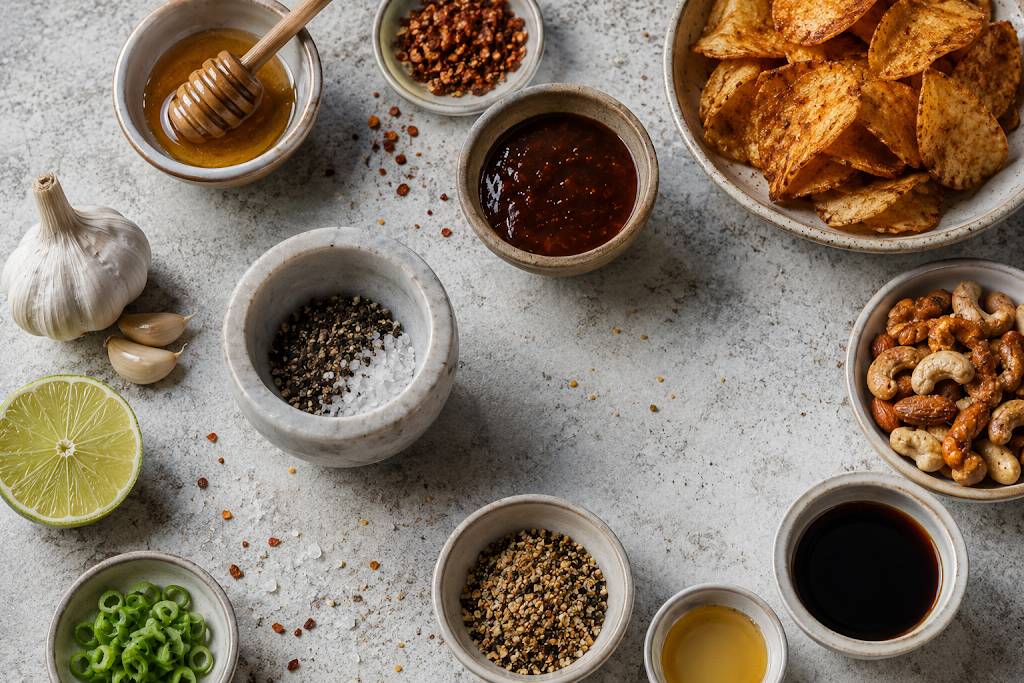
Move over, basic sweet and salty. Consumers are increasingly looking beyond predictable, single-note flavors in favor of combinations that deliver more contrast in every bite. A chip doesn’t have to simply be “barbecue,” and a sauce doesn’t have to stop at “hot.” Today’s flavor profiles are becoming more layered, bringing together tastes that play off one another to create a more dynamic eating experience.
Enter Swangy: the collision of sweet, tangy and savory.
Rather than allowing one taste to dominate, Swangy relies on the balance between all three. Sweetness rounds out acidity, tanginess brings brightness and contrast, and savory notes provide the depth that pulls the profile together. The result is a bold, craveable combination that can translate across everything from snack seasonings and sauces to glazes, marinades and prepared proteins.
For product developers, the opportunity isn’t simply to make something sweeter or tangier. It’s figuring out how those contrasting elements can work together—and how to maintain that balance in the finished product.
Decoding “Swangy”: The Sensory Science of Craving
What makes sweet, tangy and savory work so well together? Much of the appeal comes from contrast. Rather than delivering one dominant taste from beginning to end, a Swangy profile moves across the palate, with each component playing a different sensory role.
- The Sweet Hit: Sweetness provides familiarity and rounds out sharper flavors. Depending on the application, that can come from traditional sugars or ingredients such as honey, maple, molasses or fruit powders.
- The Tangy Spark: Acidity brings brightness and an immediate pop to the profile. Citric, acetic, lactic and other food acids can create different expressions of tang—from clean and citrusy to fermented, vinegar-forward or slightly sour.
- The Savory Anchor: Umami-rich and aromatic ingredients give the profile depth and help ground the sweetness and acidity. Yeast extracts, mushrooms, roasted vegetables, spices and other savory components can all contribute to that foundation.
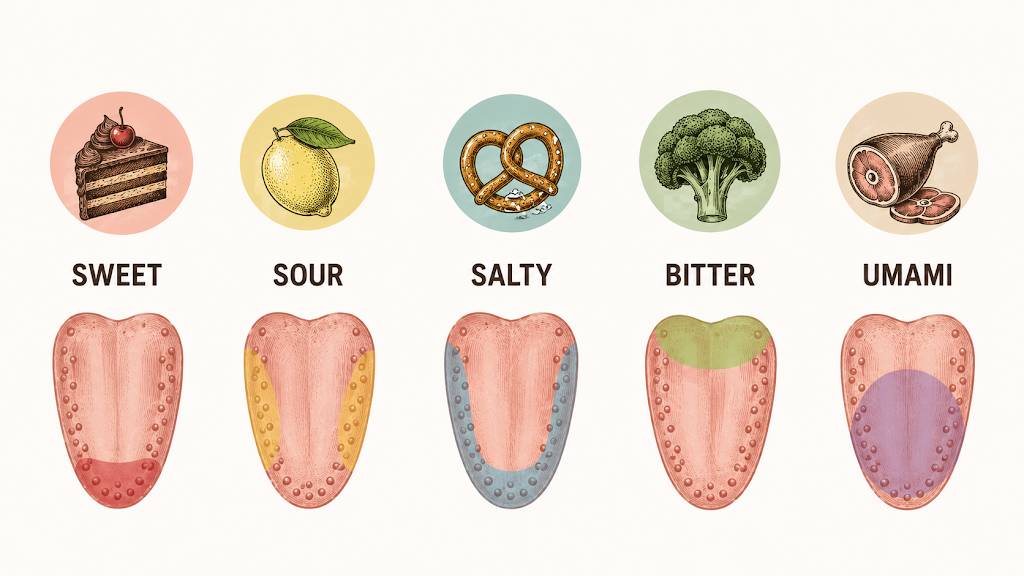
The magic is in the interaction between the three. Sweetness can soften aggressive acidity, tanginess can keep sweetness from becoming cloying, and savory notes add enough depth to keep the profile from tasting simply sweet-and-sour. As the balance shifts from one bite to the next, the contrast creates a layered eating experience that keeps the palate engaged.
And that balance matters. Too much sweetness and Swangy starts to feel candy-like. Push the acid too far and it becomes harsh. Overdo the savory component and the brightness disappears. Building a successful Swangy profile is less about maximizing all three tastes and more about finding the point where each one makes the others more interesting.
Application Spotlights: Swangy in Action
The beauty of the Swangy trend is its absolute versatility. It is not confined to a single aisle or product category; rather, it is transforming menus and grocery shelves across a range of applications.
Next-Gen Snacks
Potato chips, extruded puffs, pretzels, and roasted nuts are prime real estate for Swangy topical seasonings. Think sweet honey powder colliding with sharp apple cider vinegar particles, anchored by a rich, smoky onion-and-garlic base. Incorporating these kinds of tangy fresh flavor pairings reinvents traditional formats and gives snack brands a trendy SKU that pops off the shelf.
Bold Sauces, Dips, and Glazes
From dipping sauces for chicken tenders to premium wing glazes, Swangy is the ultimate upgrade. Brands are pairing exotic sweet elements like mango, hot honey, or maple syrup with sharp notes like tamarind, yuzu, or fermented vinegar, all backed by deep, savory undertones. This movement closely mirrors the global BBQ fusion and spicy, tangy, sweet sauce trends currently dominating modern barbecue profiles, using bases such as soy sauce, miso, or roasted poultry broth.
Prepared Meats and Meat Alternatives
Swangy profiles excel in proteins, bringing added dimension to beef jerky, gourmet sausages, and cocktail meatballs. The sweetness caramelizes beautifully when cooked, the tanginess cuts through the heavy fat to brighten the palate, and the savory core amplifies the product’s natural meatiness.
The Manufacturing Hurdle: Balancing the Trifecta on the Shelf
While developing a Swangy profile in a restaurant kitchen or pilot lab is incredibly fun, scaling that precise formulation up to a commercial, large-scale manufacturing environment can present formulation challenges. Multi-note flavor systems bring together components with different physical properties and behaviors during processing and storage.
For example, maintaining a bright, tangy perception throughout shelf life can be challenging as acids and other flavor components interact within the finished system. Sweet powders can be incredibly hygroscopic, absorbing ambient moisture and causing premium snack seasonings to cake, clump, or bridge in industrial manufacturing hoppers.
Furthermore, if particle sizes are not properly considered, heavier savory granules can separate from lighter sweet and tart particles during shipping, leaving the consumer with an uneven flavor distribution at the bottom of the bag. Achieving true commercial stability requires food science, precision blending, and a deep understanding of water activity management.
Customizing the Trend: Clean-Label and Dietary Adjustments
Today’s consumers may want bold, adventurous flavor, but the finished product still needs to meet their expectations around ingredients and dietary needs. Depending on the application and target market, a Swangy profile may need to accommodate clean-label goals, allergen requirements or plant-based formulations without sacrificing the sweet, tangy and savory balance that defines the profile.
For product developers, the challenge is maintaining that complex, multi-note experience while working within the specific parameters of the finished product.
Fortunately, with the right technical approach, Swangy can be customized to accommodate a range of formulation needs:
- Vegan & Vegetarian: Building deep umami foundations using plant-derived yeast extracts or mushroom powders instead of animal-based ingredients.
- Allergen-Free: Creating savory depth using carefully selected ingredients and flavor systems designed around the allergen requirements of the finished product.
- Reduced Sodium: Using acidity, sweetness, aromatics and umami-rich ingredients strategically to build flavor impact and complexity in formulations where sodium is being reduced.
Co-Create the Next Swangy Sensation with NuSpice
Capturing the complex, high-energy Swangy trend requires a blending partner who possesses both culinary imagination and industrial expertise. At NuSpice, we specialize in translating high-concept food trends into production-ready commercial realities. We have the capability to custom manufacture, package and batch your finished seasonings and dry blends for ease of use and simplification at your manufacturing plant.
Based on the specific attributes your target market demands, our experienced Research and Development team can match an existing profile or engineer an original, custom Swangy blend from scratch. Backed by decades of experience in food science and large-scale flavor production, we understand how to formulate complex, multi-note profiles that maintain their intended balance from production through the finished application.
Consumers are looking for what’s next in bold, layered flavor. Contact NuSpice today to collaborate directly with our R&D team and co-create a Swangy profile built specifically for your next product.