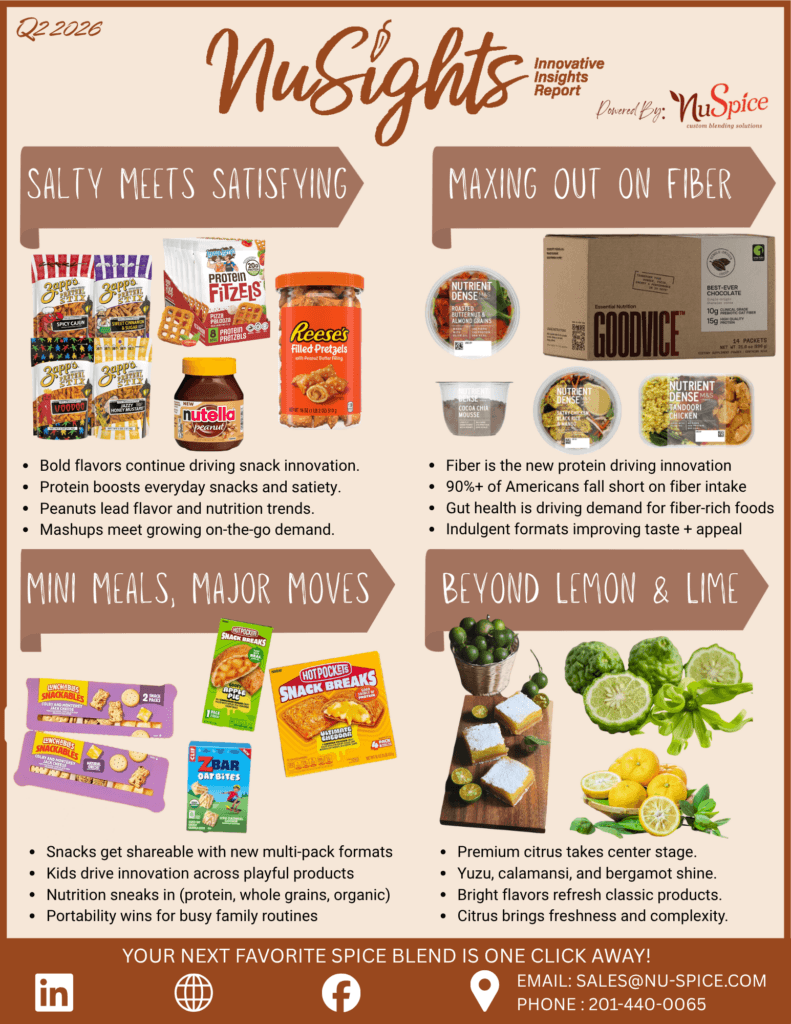
Every quarter brings a new wave of innovation, but this season, one theme stands out above the rest: consumers expect more from every bite.
Today’s products aren’t just competing on flavor. They’re expected to satisfy hunger, support wellness, fit into busy schedules, and still deliver an experience worth coming back for. As consumer priorities continue to evolve, brands are responding with products that blend function, convenience, and exciting flavor combinations in ways that feel both familiar and fresh.
Here’s what caught our attention this quarter.
Salty Meets Satisfying
For years, snacking was all about indulgence. Today, consumers are asking for something more substantial.
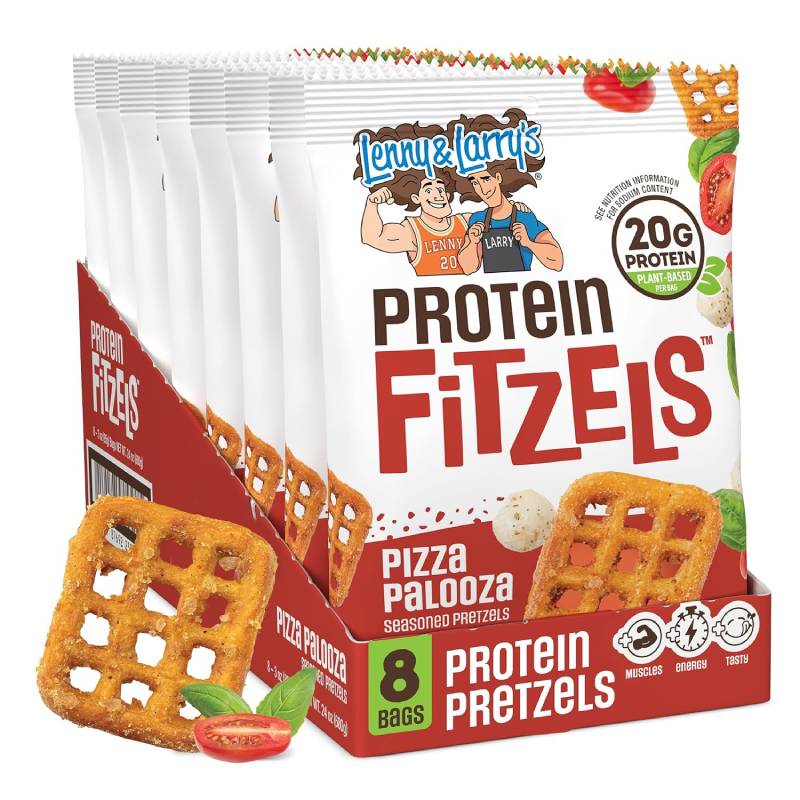
Whether it’s a mid-morning pick-me-up or an afternoon bite between meetings, snacks are increasingly expected to provide lasting satisfaction rather than just a quick craving fix. That shift has fueled a wave of innovation centered around protein, healthy fats, and ingredients that help consumers feel fuller for longer.
Filled pretzels, protein-enhanced snacks, and peanut-forward products are becoming increasingly common across store shelves. Peanuts, in particular, are showing up in new formats thanks to their ability to deliver both flavor and nutrition. They’re equally at home in sweet applications like flavored spreads as they are in savory snacks, making them one of the most versatile ingredients driving product development today.
At the same time, bold seasoning profiles continue to capture consumer attention. Familiar snack formats are being reinvented with adventurous flavors, while mashups combine comfort with convenience in products designed for busy, on-the-go lifestyles.
The result is a new generation of snacks that blur the line between indulgence and functionality.
Protein Had Its Moment. Now Fiber Is Stepping Into the Spotlight.
If there was one nutrition trend that dominated the past several years, it was protein. Now, fiber is beginning to shape the next wave of innovation.
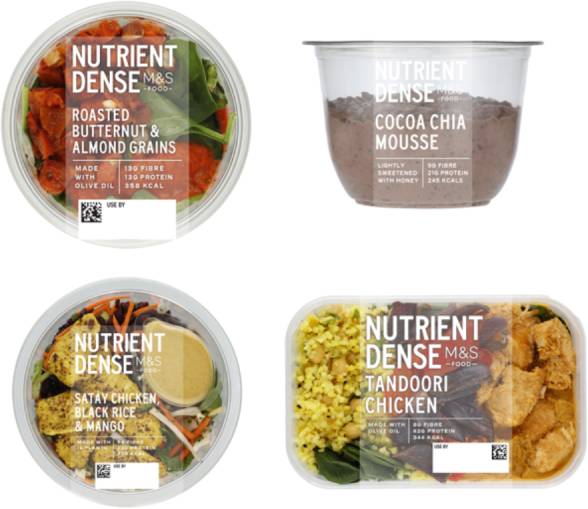
The growing popularity of “fibermaxxing” has sparked conversations well beyond social media, encouraging consumers to think differently about digestive health, satiety, and overall wellness. At the same time, more than 90 percent of Americans still don’t consume enough fiber, creating an opportunity for brands to meet an unmet nutritional need.
What’s especially interesting is where fiber is appearing.
Rather than limiting it to cereals and nutrition bars, manufacturers are incorporating fiber into ready-to-drink beverages, frozen meals, desserts, snacks, and other everyday foods. Improved ingredient technology is making it easier to increase fiber without compromising taste or texture, allowing functional nutrition to blend seamlessly into products consumers already enjoy.
As fiber continues gaining momentum, we’re watching it evolve from a simple nutrition claim into a key platform for product innovation.
Snack Time Is Becoming Mealtime
Consumers aren’t just changing what they eat. They’re changing when and how they eat.
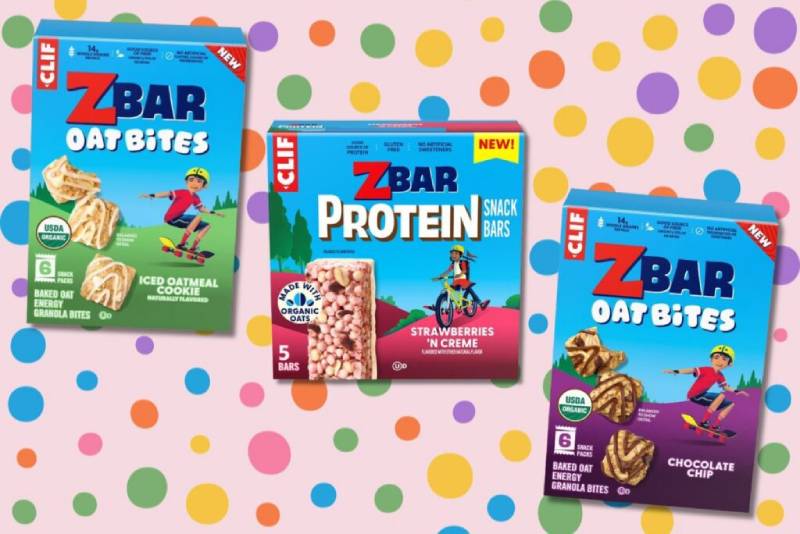
Traditional meal occasions continue to blur as hybrid work schedules, busy family routines, and on-the-go lifestyles reshape everyday eating habits. Instead of sitting down for three large meals, many consumers are reaching for smaller, portable options throughout the day.
Brands are responding with snack boxes, meal kits, handheld foods, and shareable multipacks that offer the convenience of a snack with the satisfaction of a meal. Nutrition remains a priority, too. Protein, whole grains, and organic ingredients are finding their way into products designed for children and adults alike.
These mini meals reflect a broader shift toward flexibility. Consumers want foods that can move with them, whether that’s during a commute, between meetings, or after school. Products that deliver convenience without sacrificing flavor or nutrition will continue to resonate as eating habits evolve.
Beyond Lemon & Lime

While consumers continue looking for functional benefits, they’re also searching for new flavor experiences.
One area we’re watching closely is the evolution of citrus.
Lemon and lime will always have a place in food and beverage, but premium citrus varieties like yuzu, calamansi, bergamot, and Meyer lemon are quickly expanding into new categories. Their bright acidity, floral notes, and subtle complexity offer a fresh way to elevate both sweet and savory applications.
These globally inspired ingredients are appearing in beverages, sauces, confections, bakery items, frozen desserts, and seasoning blends, bringing a premium feel without straying too far from familiar flavor territory.
For product developers, citrus offers an approachable path to innovation. It delivers freshness, versatility, and just enough intrigue to encourage consumers to try something new while still feeling recognizable.
Looking Ahead
Although these trends span different categories, they’re all moving in the same direction.
Consumers are looking for foods that fit naturally into their lifestyles while delivering more value in every bite. That value might come through added protein, increased fiber, portable formats, or globally inspired flavors, but the expectation remains the same: products should work harder without sacrificing enjoyment.
At NuSpice, we believe the most successful innovations begin with understanding where consumer preferences are headed. By keeping a pulse on emerging ingredients, evolving eating habits, and changing flavor preferences, we’re able to help our partners develop products that are relevant today and ready for what’s next.
As we move through the rest of 2026, we’ll be watching these trends continue to evolve and uncovering the next wave of flavor inspiration along the way.