
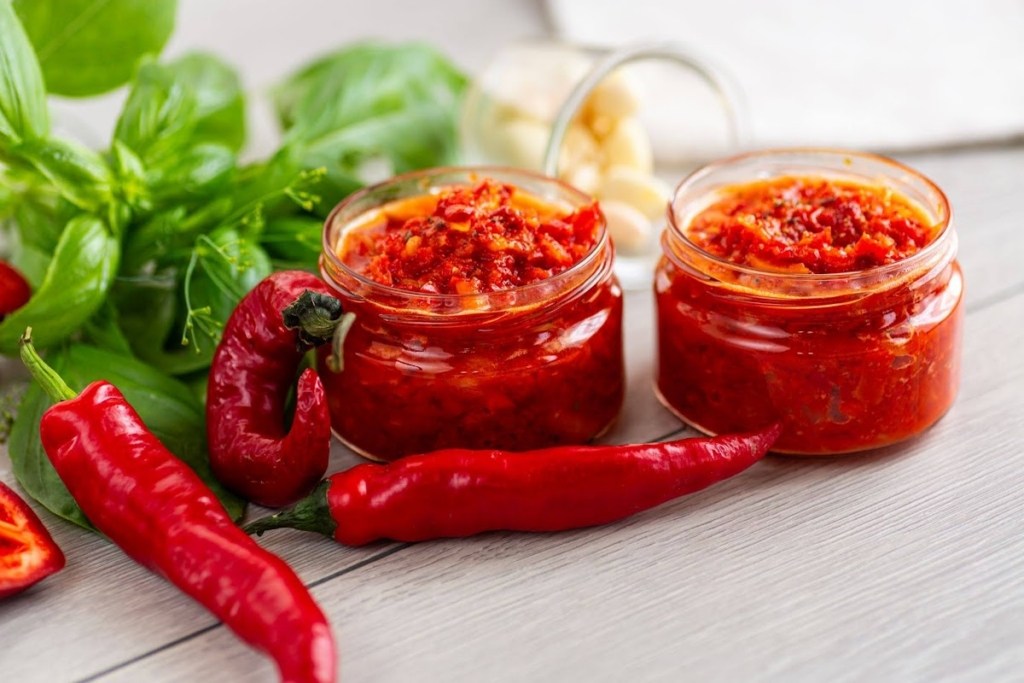
Spicy foods have never been more popular, as consumers continue to seek exciting flavor experiences that bring a little heat to every bite. Yet increasing consumer demand for spicy products does not necessarily mean manufacturers should focus solely on creating the hottest offering possible.
Today’s consumers are increasingly sophisticated when it comes to heat. Many are looking for a more nuanced sensory experience rather than pure intensity. Sometimes, they want an immediate burst of spice that grabs their attention from the very first bite. Other times, they prefer a heat profile that slowly builds, creating a satisfying warmth that lingers long after the food has been enjoyed.
By carefully designing seasoning formulations, brands can deliver precisely the sensory journey consumers are looking for, whether that means an instant punch of heat, a slow-burning finish, or a carefully balanced combination of both.
Why Heat Perception Matters in Product Development
Controlling the timing and intensity of heat can significantly influence overall product appeal, brand differentiation, and — most importantly — repeat purchases. If a snack delivers a slow, aggressive throat burn when the consumer expects a quick, playful zap, they likely won’t buy it again. By intentionally designing the heat curve, brands can carve out a unique identity in a crowded marketplace, transforming a simple product into a memorable flavor event.
Not All Heat Feels the Same
When most people think of spicy foods, they think of chili peppers. However, not all heat is created equal. Different ingredients contain different compounds that interact with the body’s heat receptors in unique ways, creating a wide range of sensory experiences. Some produce an immediate burning sensation that fades quickly, while others create a slow-building warmth that lingers long after the last bite.
Capsaicin, the compound found in chili peppers, is responsible for the classic spicy sensation most consumers recognize. Because capsaicin is oil-soluble, it tends to cling to the palate and activate heat receptors for an extended period of time. This is why peppers such as cayenne, habanero, and ghost pepper often create a lingering warmth that continues to develop even after swallowing.
Other ingredients generate heat through entirely different mechanisms. Black and white pepper contain piperine, which creates a sharper, more pungent bite that is often perceived at the back of the throat. Mustard, wasabi, and horseradish produce a quick, sinus-clearing heat that rises into the nasal passages before dissipating rapidly. Meanwhile, ingredients like ginger and Sichuan peppercorns create unique warming, tingling, or numbing sensations that add complexity without relying solely on traditional pepper heat.
Understanding these differences allows flavor developers to build more dynamic and memorable products by combining multiple types of heat to create a specific sensory journey.
Common Heat Sources and How They Feel
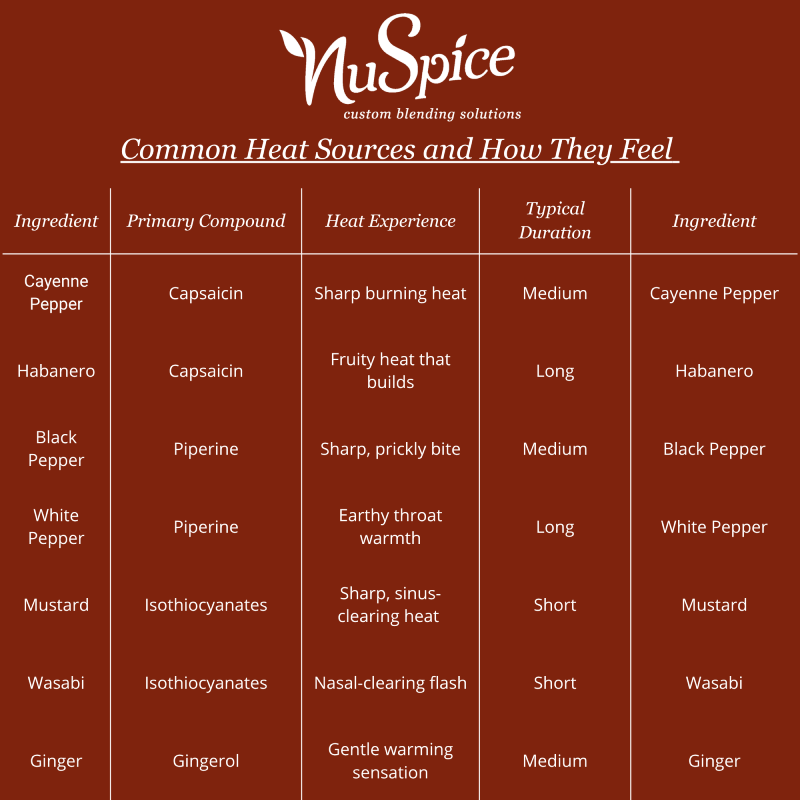
Consumers experience these differences every day, often without realizing it. The quick sinus-clearing sensation of spicy brown mustard differs dramatically from the lingering burn of buffalo wings, while the tingling sensation of Sichuan cuisine creates an entirely different experience altogether. Although all three foods may be considered “spicy,” the sensory journey they create is remarkably different.
Fast-Hitting Heat: Creating Immediate Impact
Fast-acting heat is all about high energy and instant gratification. It creates an immediate sense of excitement and memorability because it shocks the senses from the very first contact.
This upfront approach works exceptionally well in:
- Snack foods, such as chips, pretzels, and popcorn, where consumers expect a burst of flavor with every handful.
- Limited-time offerings (LTOs) that need to make a loud first impression.
- Impulse-buy items or novelty items that rely on an upfront punch to deliver on their spicy promise.
Ingredients That Deliver Immediate Heat
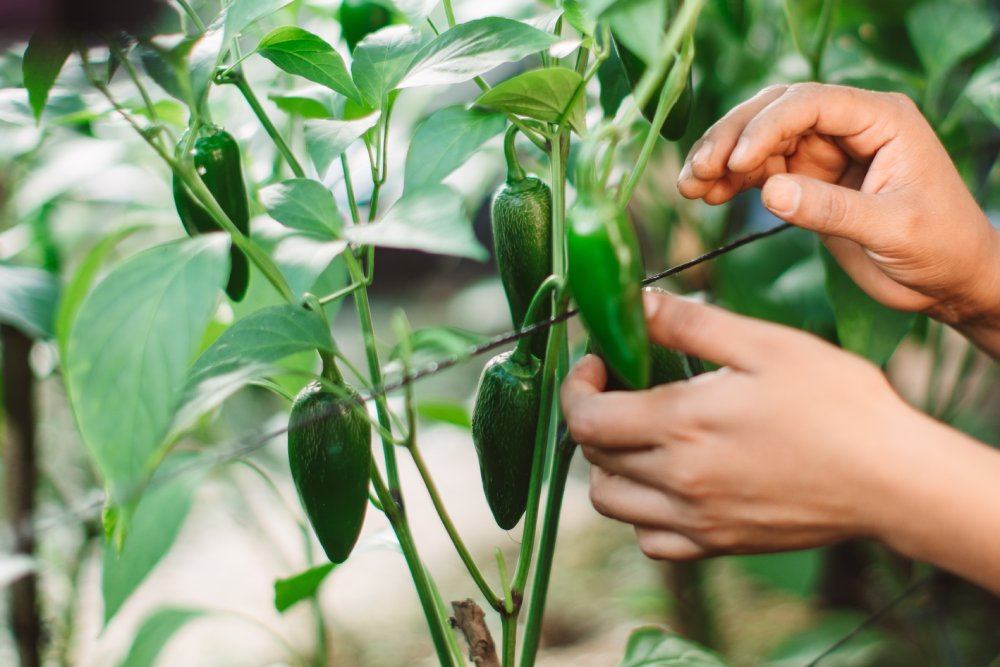
To achieve a rapid onset of heat, developers look for spices containing highly volatile or quickly soluble compounds that interact instantly with receptors on the tip of the tongue and lips. Ingredients with highly available capsaicinoids (such as many peppers) often create a sensory response that is noticeable almost instantly.
Cayenne pepper and jalapeño are classic examples, delivering a sharp, front-of-mouth sting that peaks rapidly and dissipates relatively quickly. Similarly, ingredients like wasabi, horseradish, and mustard extracts provide an immediate, nasal-clearing flash of heat that vanishes just as fast as it arrived, leaving the palate clean and ready for the next bite.
When incorporated into seasoning systems, these ingredients can create a strong first impression without necessarily increasing overall heat intensity.
Slow-Building Heat: Crafting a Lingering Sensory Experience
Some ingredients and flavor systems create a gradual warmth that develops over several bites before reaching its peak. This slower progression often results in a more immersive and layered eating experience.
MInterestingly, a gradual heat build can encourage continued consumption because consumers are drawn in by the evolving flavor experience. Because the peak heat isn’t reached immediately, consumers keep eating, drawn in by the evolving flavor profile. This approach pairs beautifully with rich, complex savory systems, such as smoky BBQs, creamy cheeses, or sweet-and-spicy tropical blends, where the heat needs to complement the food rather than overpower it.
Top Spices for a Slow Burn
Crafting a slow burn requires specific pepper varieties with heavier, less soluble capsaicinoid profiles that bind to receptors at the back of the throat. Habanero and ghost pepper are legendary for their delayed reaction, starting with a fruit-forward flavor before evolving into a deep, radiating warmth.
Sichuan peppercorns also play a unique role here. Their hydroxy-alpha-sanshool compound creates a tingling, numbing delay that stretches the sensory experience even further.
Other popular ingredients for producing a more gradual and lasting heat sensation include:
- Chipotle peppers
- Korean chili pepper
- White pepper
- Ginger
How Seasoning Formulations Influence the Heat Experience
Creating the perfect heat profile requires deep culinary science and precise manufacturing. It’s not just about choosing the right pepper; it’s about how that pepper interacts with the entire food matrix.
Several critical factors influence how heat is ultimately perceived:
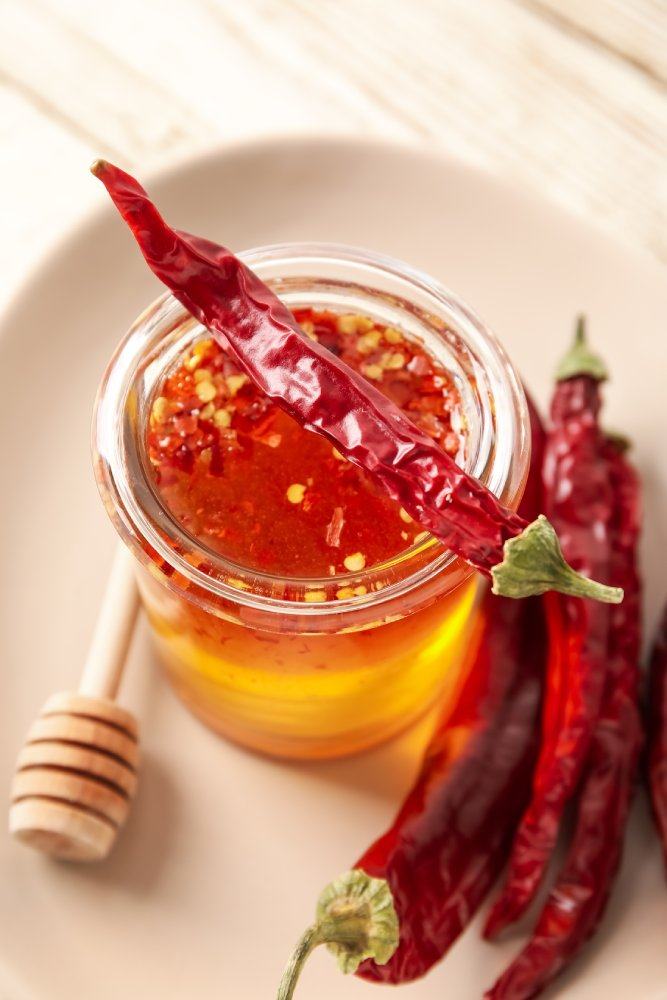
- Ingredient Selection: Different peppers, spices, and flavor components deliver unique onset speeds, intensities, and lingering characteristics. Combining multiple heat sources can create highly customized sensory experiences.
- Carrier Selection: The choice of carriers (like salt, dextrose, or maltodextrin) affects how quickly a seasoning dissolves and is experienced. For example, fat-soluble capsicums release heat much more slowly than water-soluble ones because fat coats the tongue and delays receptor contact.
- Flavor Layering: Sweet, savory, acidic, and smoky notes can either enhance, soften, delay, or amplify heat perception. Strategic layering helps create a more balanced and engaging flavor profile.
- Product Format: The heat experience in a dry seasoning blend may differ dramatically from that of a sauce, snack coating, or liquid application. This is because a variety of factors, such as texture, moisture content, and product structure, all influence how heat is released during consumption.
- Manufacturing Methods: Processing conditions and application techniques may alter how heat compounds behave within the finished product. Careful formulation and testing help ensure the desired sensory outcome is consistently achieved.
Design the Right Heat Experience
Whether the goal is a quick burst of excitement, a slow-building warmth, or a layered combination of multiple heat sensations, understanding how different ingredients create and deliver heat is essential to crafting memorable products.
Successful seasoning development is about more than simply adding spice. It is about engineering a specific sensory experience that aligns with consumer expectations, brand positioning, and product goals.
If you’re looking to create the perfect heat experience for your next product launch, partner with NuSpice. We’ll help you develop customized seasoning blends that deliver the precise balance of flavor and heat your consumers are looking for.