When discussions around oil and petroleum arise, the focus is often centered on gasoline prices and transportation costs. While freight and logistics are certainly impacted by volatility in energy markets, petroleum’s role in the food industry extends far beyond fueling trucks. Recent volatility in global energy markets has also renewed conversations around how dependent modern manufacturing systems have become on petroleum-based materials and infrastructure.
Petroleum-based materials are deeply integrated into modern food manufacturing systems. They support packaging integrity, sanitation standards, product stability, processing efficiency, and shelf life across nearly every category of food production.
As manufacturers and consumers increasingly push toward more sustainable solutions, the industry is facing a significant challenge: how to reduce dependency on petroleum-based materials while still maintaining the performance, safety, and scalability required in food manufacturing.
Petroleum’s Role in Modern Food Manufacturing
Petroleum-derived materials are used throughout food manufacturing because they deliver consistent performance in environments where reliability matters.
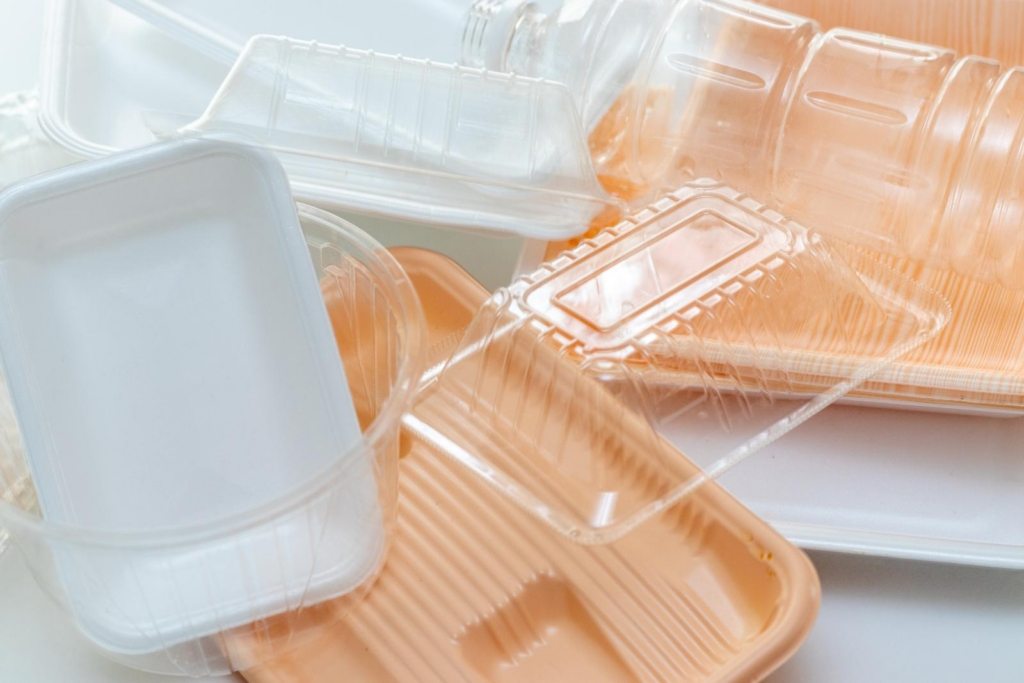
Flexible films help protect products from moisture and oxygen exposure. Plastic liners and containers assist with sanitation and allergen management. Production equipment relies on petroleum-based components and lubricants to maintain efficiency and durability under demanding operating conditions.
These systems became industry standards because they work at scale. They support product stability, food safety, and manufacturing efficiency. For decades, food manufacturers have built processes, packaging systems, and supply chains around these materials.
The Shift Toward Alternative Packaging
As sustainability initiatives continue to grow, major food and beverage companies have started transitioning portions of their packaging systems away from traditional petroleum-based plastics.
Several examples have already reached the market.
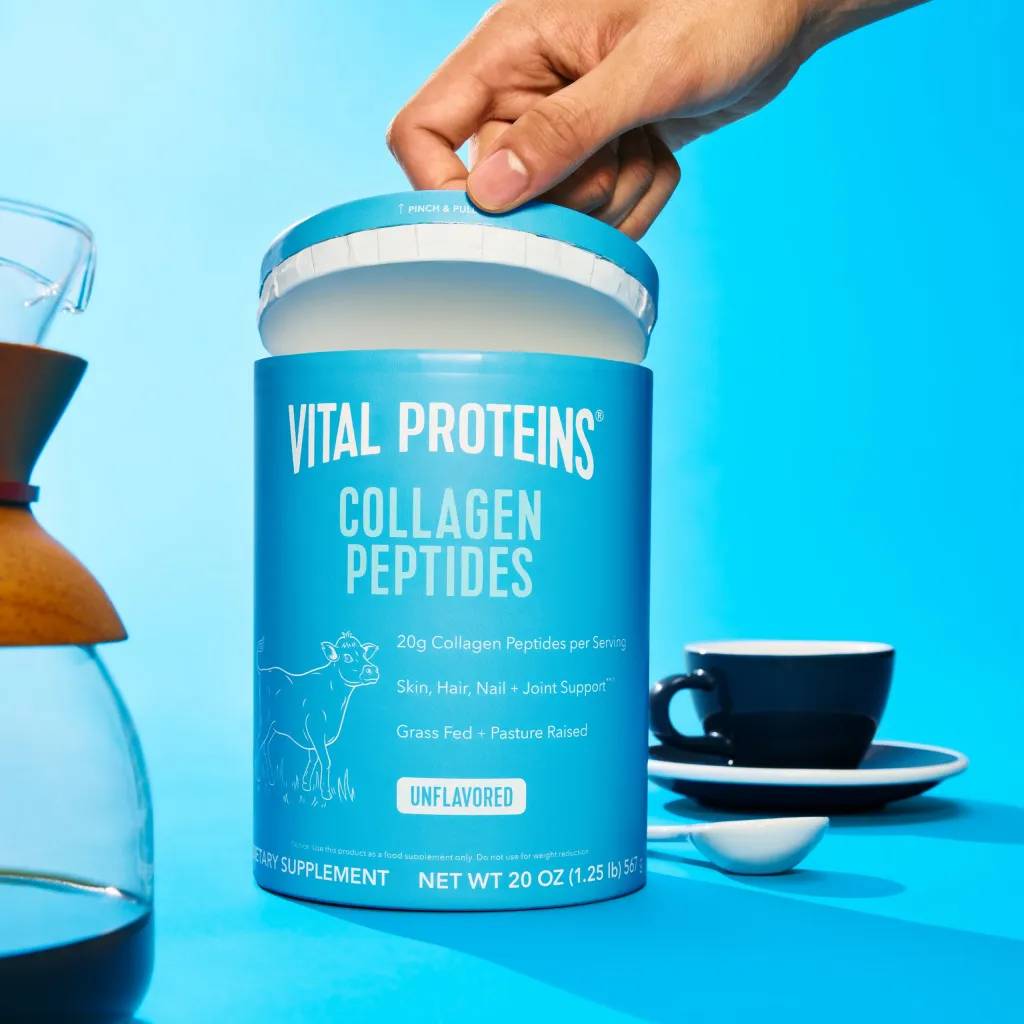
Vital Proteins introduced a canister marketed as 90% plastic-free for portions of its collagen product line. Starbucks transitioned away from plastic straws in favor of fiber-based alternatives and continues testing compostable cup technologies. Meanwhile, PepsiCo has piloted compostable packaging for snack applications as part of broader sustainability initiatives.
These changes reflect growing consumer demand for packaging viewed as more environmentally responsible, while also putting pressure on manufacturers to rethink systems that have been industry standards for decades
However, these transitions are far more complex than simply replacing plastic with paper or fiber.
Why Replacing Poly-Based Materials Is Challenging
Poly-based packaging became dominant because it solves multiple manufacturing challenges simultaneously.
Traditional flexible packaging creates strong moisture barriers, seals consistently on high-speed lines, and protects products during transportation and storage. Alternative fiber-based materials often struggle to replicate all of those characteristics simultaneously.
The challenge becomes especially apparent in shelf-stable food applications.
Take seasoning blends as an example. A traditional poly pouch helps maintain flowability by limiting moisture exposure. If that same product is moved into a more permeable fiber-based structure, the blend may absorb moisture more easily, increasing the likelihood of clumping, caking, or reduced shelf stability.
Similar challenges exist across multiple food categories where texture, freshness, and shelf life depend heavily on barrier protection.
The Engineering Behind “Plastic-Free” Packaging

Many packages marketed as “plastic-free” or “reduced plastic” still require sophisticated engineering to function properly.
The 90% plastic-free Vital Proteins package is a strong example. While the outer structure relies heavily on paper-based materials, the package still needs engineered barriers and protective components to help preserve product quality and prevent moisture intrusion.
That reality highlights an important point within sustainable packaging development: replacing petroleum-based materials is rarely a direct substitution. In many cases, manufacturers are redesigning entire systems to recreate the same level of protection consumers already expect.
Even fiber-based packaging often requires barrier coatings, specialized liners, or additional structural support to maintain the same performance characteristics consumers and manufacturers already expect.
Some of those solutions may still incorporate petroleum-derived components in order to maintain functionality.
Food Safety and Sanitation Considerations
Packaging conversations often focus heavily on sustainability, but food safety remains equally critical.
Modern food manufacturing facilities are designed around sanitation validation, allergen management, and contamination prevention. Many petroleum-based materials support those systems because they are smooth, durable, non-porous, and highly consistent under demanding production conditions.
That matters more than most consumers realize.
In facilities handling allergens such as dairy, soy, sesame, wheat, or tree nuts, preventing cross-contact is a constant priority. Poly liners, sealed packaging systems, coated surfaces, and plastic-based equipment components help create environments that can be effectively cleaned, sanitized, and validated between production runs.

Alternative fiber-based materials introduce a different set of challenges.
Unlike traditional poly surfaces, plant-fiber materials are naturally more porous and absorbent. That can create additional concerns around retained moisture, particulate buildup, sanitation effectiveness, and long-term material durability in manufacturing environments.
This becomes especially important in dry food manufacturing, where powders and fine particulates can travel throughout production spaces. Packaging systems play a major role in containing those materials and reducing the risk of airborne cross-contact during filling, handling, and transportation.
Production efficiency also becomes part of the equation. If packaging materials seal inconsistently, weaken under heat, or behave unpredictably on high-speed lines, the issue extends beyond sustainability—it becomes a food safety and operational concern.
For manufacturers, sustainability initiatives cannot come at the expense of sanitation integrity or consumer safety. The challenge is not simply replacing petroleum-based materials, but developing alternatives capable of meeting the same rigorous performance standards the industry already depends on.
The Cost of Transitioning Away from Petroleum-Based Systems
The financial challenges associated with alternative packaging are substantial.
Plant-fiber materials are often more expensive than traditional poly systems, particularly when additional engineering is required to improve moisture resistance or structural integrity. Beyond raw material pricing, companies also face increased costs related to testing, validation, equipment adjustments, and production optimization.
This is one reason many sustainability transitions happen gradually rather than all at once.
While consumers may see a package change on a store shelf, manufacturers often spend years evaluating performance, shelf stability, sanitation requirements, and operational compatibility before those changes ever reach the market.
The Future of Sustainable Packaging
The food industry will continue moving toward reduced petroleum dependency, but the transition will likely involve hybrid systems and incremental improvements rather than immediate elimination of plastic-based materials.
Some product categories may adapt more easily than others depending on shelf-life sensitivity, moisture exposure, and distribution requirements. Dry powders, supplements, and certain snack products may provide earlier opportunities for alternative materials, while more sensitive applications may require significantly longer development timelines.
Advancements in fiber technology, compostable barriers, and recyclable mono-material packaging will continue shaping the next generation of food packaging solutions.
At the same time, manufacturers will need to balance sustainability goals with the operational realities of producing safe, stable, and scalable food products.
A More Realistic Conversation About Sustainability
Reducing petroleum dependency is an important objective for the food industry. However, achieving that goal responsibly requires acknowledging how deeply petroleum-based systems are embedded into modern manufacturing.
Packaging is no longer just about containment- it is directly tied to food safety, shelf stability, operational efficiency, and consumer expectations.
As the industry continues evolving, the most successful solutions will not simply replace existing materials. They will deliver sustainable improvements while still maintaining the reliability and performance food manufacturers depend on every day.