
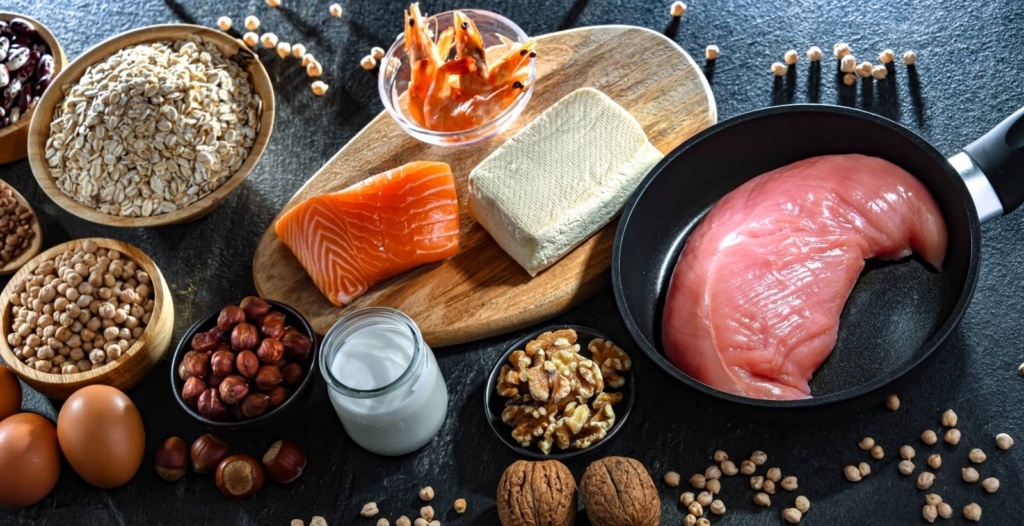
Protein is having a moment—and not just in shakes and bars. High-protein claims are showing up across the grocery store, from snacks and beverages to baked goods, meal solutions and center-of-plate applications. Consumers are increasingly prioritizing protein for satiety, weight management and active lifestyles, making “protein-first” eating much more than a fitness trend.
For food scientists and product developers, however, adding protein doesn’t simply change the Nutrition Facts panel. It can change the entire eating experience. Different protein sources bring their own flavor, aroma and textural characteristics to a formulation, while also influencing how other flavors are perceived in the finished product.
That creates an interesting challenge: how do you increase protein without making the consumer feel like they’re eating a “high-protein product”?
The answer starts with treating flavor as part of the formulation from the beginning. Rather than developing a flavor profile and expecting it to perform the same way across different applications, protein-forward products require developers to understand the base they’re working with and build the flavor system around it.
The Shifting Consumer Landscape: Protein Without Compromise
Protein has become one of the few nutritional priorities that crosses nearly every type of consumer. Whether someone is following a low-carb diet, focusing on weight management, looking for sustained energy or simply trying to make more nutrient-dense food choices, protein is increasingly influencing what ends up in the shopping cart.
- Functional Beverages: Ready-to-drink (RTD) shakes, clear protein waters, and protein-fortified iced coffees.
- Savory & Sweet Snacks: Extruded high-protein crisps, fortified nut butters, and savory meal bars.
- Center-of-Plate Alternatives: Plant-based meats, dairy alternatives, and high-protein grain blends.
As a result, protein boom is reshaping food innovationwell beyond traditional shakes and bars. We’re seeing protein incorporated into beverages, snacks, baked goods, dairy products, meal solutions and even familiar comfort foods—creating opportunities to rethink categories that historically weren’t associated with high-protein eating.
But as protein has moved into the mainstream, consumer expectations have changed with it. The chalky shake or noticeably “healthy” tasting snack may have once been an acceptable tradeoff for better macros, but today’s consumer is far less willing to compromise.
They want the protein—but they also want the experience.
That means a high-protein chip still needs to eat like a great chip. A protein-forward coffee still needs to taste like coffee. And a protein-rich meal still needs to be something you genuinely want for dinner. Nutrition may drive the first purchase, but flavor is what helps drive the second.
For product developers, that raises the bar. The goal is no longer simply adding protein while making the finished product taste acceptable. It’s building a product where the protein and the flavor system work together from the start.
The Chemistry of Flavor Binding: Why Protein Changes the Flavor Equation
Protein doesn’t behave like a neutral canvas. Depending on the protein source, concentration, processing method and finished application, it can suppress certain flavor notes, amplify others or introduce characteristics of its own. A flavor profile that performs beautifully in one base may behave completely differently when introduced into a protein-forward system.
One reason is a phenomenon known as flavor binding. Many of the compounds responsible for flavor and aroma can interact with proteins within a food matrix. When those compounds bind to the protein, they may become less available for us to perceive, causing certain notes to taste muted or behave differently than expected.
The challenge becomes even more complicated over time. Different flavor compounds can interact with proteins at different rates, meaning a profile that tastes balanced during initial development may shift as the finished product sits on the shelf. Bright top notes can fade, subtle flavors can disappear and previously balanced characteristics may become more pronounced.
This is why simply adding more flavor isn’t always the answer. Successful development starts with understanding the protein base itself—what it contributes, what it suppresses and how the desired flavor profile can be built to work with it rather than against it.
Engineering Solutions: Tailoring Flavor to the Protein Base
There is no one-size-fits-all approach to flavor development in protein-forward products. Each protein base brings its own sensory characteristics, which means successful flavor development starts with understanding what the protein contributes—and then determining whether to mask, balance, complement or even lean into those characteristics.
Plant-Based Proteins (Pea, Soy, Hemp, Faba Bean)
Plant-based proteins can introduce grassy, bitter or earthy notes that become more noticeable as protein levels increase. While masking and balancing can help soften these characteristics, the flavor direction itself can also do some of the work. Familiar, rich comfort flavors fueling trends, like cocoa or roasted coffee, can complement the natural earthiness of the base, while savory systems built around smoke, roasted garlic, mushroom, chile or warm spices can turn those same characteristics into part of the finished flavor experience.
Whey and Dairy Proteins
Whey protein isolates and concentrates generally have a milder flavor than many plant-based proteins, but they can still introduce cardboard-like or sulfurous notes along with astringency that affects the overall eating experience. Depending on the application, acidity, sweetness and creamy or rich flavor notes can help round out the profile. Familiar flavors like vanilla, berry and butter work naturally in sweeter applications, while savory profiles can use cheese, allium, herbs, chile or other complementary flavors to build complexity around the dairy base.
Alternative and Precision-Fermented Proteins
Emerging proteins, including mycelium and precision-fermented proteins, can bring pronounced savory and umami characteristics of their own. Rather than automatically masking those qualities, developers can consider whether they complement the finished application. Savory profiles built around broths, roasted notes, herbs, alliums or spices can work with the natural characteristics of the base, while sweeter applications may require additional balancing to keep those savory notes from competing with the intended flavor.
Operational Excellence: Streamlining via Integrated Dry Blends
Developing a flavor system that works on the bench is only part of the equation—it also has to work in production. Managing multiple flavors, functional ingredients and micro-ingredients separately can create additional handling, inventory and opportunities for inconsistency as products move to commercial scale.
Integrating these components into a custom, batch-ready dry blend can help simplify production while supporting consistency from batch to batch. Pre-blended systems can offer several operational advantages:
- Improved Uniformity: Micro-ingredients, flavors and other components are evenly dispersed throughout the blend, helping reduce hot spots and inconsistencies in the finished product.
- Supply Chain Simplification: Consolidating multiple raw materials into a single production-ready SKU can reduce the number of ingredients procurement teams need to source, test and inventory.
- Production Efficiency: Fewer individual ingredients to weigh and handle can simplify batching, reduce opportunities for human error and make the finished flavor system easier to execute at scale.
Ultimately, successful protein-forward development isn’t just about creating a great-tasting formula. It’s about creating one that can be produced consistently, efficiently and at commercial scale.
Building Better Protein-Forward Products with NuSpice
As protein-first eating continues to influence product development, the opportunity goes well beyond simply finding new ways to add more protein. The real challenge is creating products consumers genuinely want to eat again and again.
At NuSpice, we work with food manufacturers to develop custom seasoning and flavor systems around the realities of the finished application—from the protein base and processing conditions to ingredient requirements, production needs and, ultimately, how the product tastes.
Because protein may be the priority, but flavor still has the final say.
Working on a protein-forward product? Contact our R&D team to see how NuSpice can help build a custom flavor system around your application.