

In the thrilling intersection of cooking, science, and creative flair, flavor pairing backed by chemistry is transforming the way chefs, food scientists, and product developers think about the culinary arts. This isn’t just about tossing together a fruit and a spice and crossing your fingers for a tasty result. It’s about understanding how aroma compounds, taste receptors, and molecular structures interact to create incredible food pairings that dazzle the palate and light up the brain with recognition and delight.
Whether you’re layering peach with basil, or pairing strawberry with balsamic black pepper, there’s often a beautiful, logical science behind the cuisine. With gas chromatography entering the kitchen, chefs now have more than just intuition guiding them — they have chemistry.
Welcome to the exciting world of molecular gastronomy, where we dig into why your favorite pairings work and how to invent new ones that push flavor boundaries.
What Is Flavor Pairing?
Flavor pairing is the concept of matching ingredients based on shared aroma compounds or complementary taste properties. This method goes beyond traditional pairings found in family cookbooks. It’s about discovering unexpected matches that click on a molecular level.
Think chocolate and blue cheese or strawberry and coriander. Sounds wild? Turns out, they share overlapping molecules that trick your sense of smell into feeling like they belong together.
Understanding chemistry, biology, and even physics gives your kitchen creativity a massive upgrade. And once you’ve tapped into it? Total innovation domination.
The Science Behind Flavor Pairing
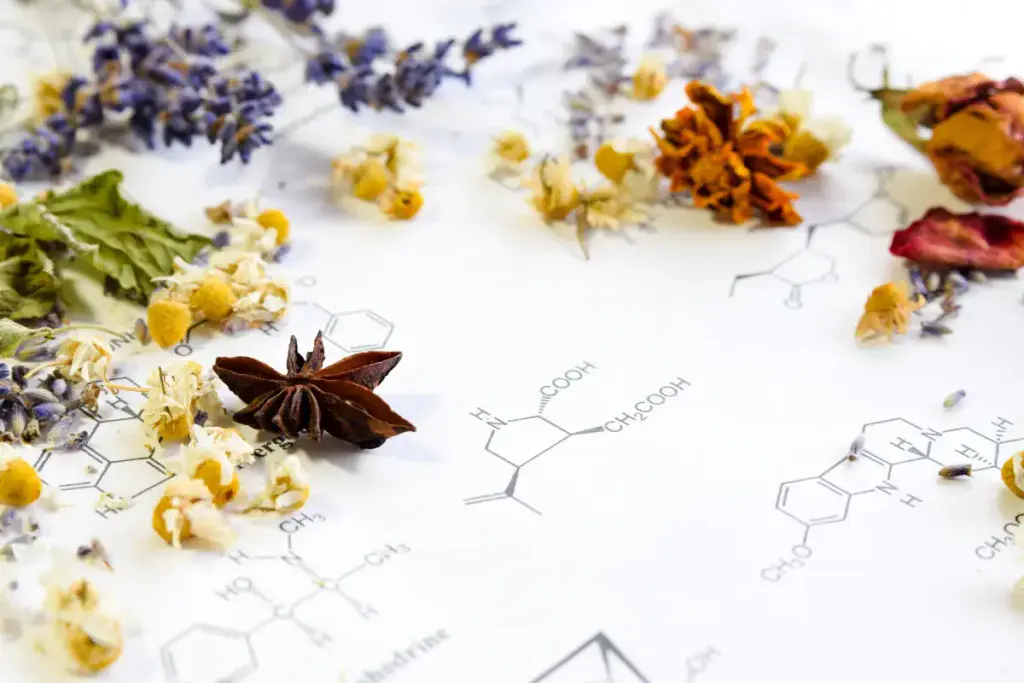
Our perception of flavor is deeply tied to odor and taste, and both are influenced by the chemical structures of the ingredients we consume. Shared aroma compounds like vanillin, trimethylamine, or eugenol are often the unsung heroes behind seemingly magical pairings.
For example, white chocolate, caviar, and olive oil all share similar aroma compounds, making them unexpectedly harmonious. The technique of gas chromatography is often used to analyze these compounds, helping scientists identify which ingredients are molecular soulmates. Chefs and food scientists can use this information to build recipes that surprise and satisfy, pairing mango with rosemary, or pineapple with soy sauce.
Classic Flavor Pairings
Some pairings just feel right, and that’s because they often share key molecules or taste profiles.
- Tomato and Basil: A staple of Mediterranean cuisine, this duo is united by shared aroma compounds and complementary acid and sweetness balances.
- Chocolate and Peanut Butter: A profile adored by many, this mix is a fat-rich, sweet and salty masterpiece with satisfying mouthfeel.
- Strawberry and Cream: The sweetness of strawberry and the fat in cream balance each other beautifully. Plus, both share subtle lactone aromas.
- Pineapple and Coconut: Found in many smoothies and tropical dishes, this pairing works thanks to ester compounds common to both.
- Lemon and Blueberry: Their contrast in sweetness and acidity makes for a lively combo, ideal in a cake, smoothie, or snack bar.
- Apple and Cinnamon: A warming combo often seen in baking, this match owes part of its harmony to shared aroma compounds like cinnamaldehyde.
- Maple Syrup and Bacon: This salty-sweet fusion is backed by the Maillard reaction and overlapping smoke and caramel notes.
These recipes have stood the test of time not just because they taste good, but because their chemistry works.
When Opposites Attract in Flavor Science
Contrasting flavors — like sweet and sour, or hot and cold — often delight the palate because they activate multiple senses at once. This concept is known as cross-modal correspondence, where signals from the nose, mouth, and even memory converge to heighten the experience.
It’s the same reason a spicy Thai curry with coconut milk feels rich and vibrant, or why dark chocolate paired with chili excites with both bitterness and pungency. These opposite elements don’t cancel each other. Instead, they enhance and elevate each other through contrast, producing a more memorable meal.
Modern Flavor Pairings
Contemporary chefs and scientists are pushing boundaries with combos that once seemed unthinkable.
- Watermelon and Feta: This salty-sweet mix is a summer salad staple that combines salt and juicy freshness.
- Blue Cheese and Dark Chocolate: Shared aroma compounds like methyl ketones bring these bold ingredients into harmony.
- Ginger and Peach: The zing of ginger pairs beautifully with the soft, floral notes of peach, especially in cocktails and glazes.
- Avocado and Lime: A classic in South and Central American dishes, this blend of fat and acid feels bright and creamy.
- Raspberry and Balsamic Vinegar: A contrast of sweetness and tang, enhanced by complex aromatic layers.
- Carrot and Orange: Both earthy and bright, this pairing shines in soups, smoothies, or even cakes.
- Coconut and Curry Leaf: Found in Asian cuisine, this combo blends rich fat, herbaceous freshness, and layered spice.
- Papaya and Lime: Used in both salads and soft drink syrups, it highlights acid, sweetness, and gentle floral aroma compounds.
These pairings reflect the beauty of gastronomy meeting innovation, where science and flavoring come together to create something unforgettable.
Why Certain Ingredients Taste Better Together Than Others
Why do lemon and blueberry feel like soulmates, while banana and onion… don’t? The answer lies in how the brain interprets aroma compounds, taste, and even mouthfeel. Our receptors are tuned to pick up on chemical similarities. When two ingredients share volatile compounds, they register as harmonious.
But it’s not all about similarity. Contrast also plays a vital role. A sweet fruit like mango can cut through the fat of meat, and acid from vinegar or lime can brighten a dish rich with butter or cheese. These aren’t just stylistic choices — they’re biological preferences hardwired into our evolution as eaters. Humans are drawn to balance. Too much sweetness is cloying, but pair it with a pinch of salt or a whiff of basil, and suddenly, it’s magic.
Understanding the Role of Aroma Compounds in Flavor Synergy

If taste is a four-note tune, aroma compounds are the symphony behind it. When you chew a piece of cake or sip a cocktail, much of the flavor you perceive actually comes through the nose. Volatile molecules waft up to the olfactory receptors, sending complex signals to the brain that help us register “flavor.”
Shared aroma compounds like lactones, pyrazines, or vanillin create bridges between unexpected ingredients. For example, white chocolate and caviar both share trimethylamine, while strawberry and cilantro overlap with notes of aldehydes. This is where the magic of gas chromatography and flavor chemistry takes the guesswork out of flavor design and turns it into technology-driven creativity.
The Flavor Network That Connects Ingredients by Chemistry
Think of it like a web where each ingredient is a node, and the lines between them are shared molecular connections. This concept, often visualized as the Flavor Network, was pioneered by researchers to map which ingredients go together based on their chemical makeup.
Popular pairs like vanilla and chocolate, pear and blue cheese, or pineapple and rum show strong connections. Others, like olive and grape, may not seem obvious but are linked by underlying aromatic compounds. These connections can now be predicted and explored using machine learning tools and molecular gastronomy databases.
This map doesn’t just help with cooking, but is also revolutionizing product development, menu design, and even drink innovation. For example, if you want to pair white wine with a dish, the Flavor Network can guide you toward ingredients that have chemical overlap for a more cohesive wine and food pairing.
Fat, Sugar, Acidity, and Heat Have a Scientific Balance
Great cuisine thrives on balance. The best recipes juggle elements like fat, sugar, acid, and heat to create a multi-dimensional profile that satisfies the palate.
- Fat delivers richness and slows down the release of aroma compounds, making flavors linger longer. Think olive oil, yogurt, or butter.
- Sugar balances acidity and rounds off bitterness, but too much can suppress other notes. A touch of honey in a salad dressing with vinegar is a perfect example.
- Acidity, like lemon juice, lime, or balsamic vinegar, lifts and brightens.
- Heat, either from temperature or spice, like chili or ginger, wakes up the taste buds and enhances perception.
Chefs who understand these four building blocks can manipulate them like musical notes. That’s where chemistry meets creativity.
How Texture Influences Flavor Compatibility Beyond Chemistry
Mouthfeel matters. The crispness of a cookie, the creaminess of a smoothie, or the juiciness of a grape all affect how a dish is perceived. It’s the difference between enjoying a cake and thinking it’s stale.
Texture can amplify or mute flavor perception. Crispy components often enhance sweetness, while creamy textures emphasize fat and aroma compounds. And it’s not just about contrast: some ingredients, like avocado and yogurt, are popular because their shared smoothness creates harmony.
Pairing crunchy with silky, or dense with airy, brings dimension to a meal that goes far beyond chemical compatibility. It’s where intuition, sensory science, and culinary design meet.
Let’s Co-Create Your Next Signature Blend Based on Chemistry
The next great flavor pairing might not even exist yet. But that’s where NuSpice comes in. Our team of seasoned flavor scientists is ready to help you tap into the power of molecular gastronomy to craft your next blockbuster snack, sauce, or drink concept.
With our real-world data of global culinary trends, we’ll help you match fruit and spice, fat and acid, or even peanut and onion. If the science says it’ll delight the palate, we’ll make it happen.
Want to bring data-backed creativity into your kitchen or product lab? Let’s talk. Schedule a consultation with a NuSpice expert today and let’s build a custom spice blend that’s as brilliant as it is delicious.