
There’s a delicious tension simmering in kitchens everywhere, the tug-of-war between convenience and complexity. On one side, consumers crave fast, fuss-free solutions that fit a busy lifestyle. On the other, there’s a growing desire for exciting recipes, deeper nutrition, and the kind of taste that turns dinner into an experience.
This balancing act isn’t just about what’s on the plate but about the entire food system, from agriculture to technology, from supply chain logistics to packaging and advertising. As brands, manufacturers, and chefs explore new ways to meet evolving consumer preferences, the challenge is to create meals that are both convenient and meaningful without sacrificing flavor or function.
What “Convenience vs. Complexity” Really Means in Modern Meals
When people talk about balancing convenience and complexity, they’re really talking about two different types of satisfaction: the efficiency of getting a meal on the table quickly, and the emotional reward of crafting something memorable.
Why Convenience Matters in Today’s Meals
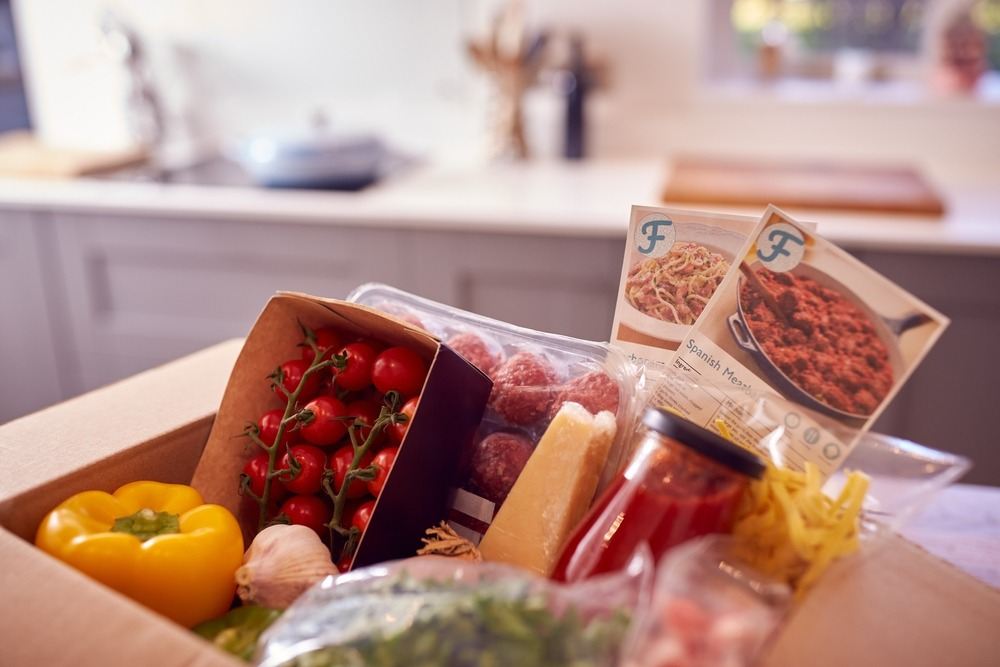
In an always-on world, convenience has become king. From frozen food aisles to food delivery apps, time-saving options dominate the modern diet. Working parents, students, and professionals alike lean on grab-and-go snacks, ready-to-eat frozen meals, and meal kits that promise “dinner in 20 minutes.”
But the rise of convenience isn’t just about cutting time. It’s about adapting to new consumer behavior. With less time for traditional cooking and more awareness around nutrition and food safety, people are choosing smarter, quicker methods that still fit their healthy diet goals. The food industry is responding in kind, offering better ingredients, improved packaging, and technology that maintains nutrient levels and flavor integrity.
What We Mean by “Complexity” in Meal Preparation
“Complexity” doesn’t just refer to complicated recipes. It means creativity, craftsmanship, and the art of layering flavors, textures, and techniques. Complex meals reflect cultural cuisine, diverse ingredients, and a deep connection to taste and tradition.
Yet in today’s market, complexity also means balance by blending protein, carbohydrate, vitamin, and vegetable components for well-rounded nutrition. The goal is to create smarter meals that celebrate health, sustainability, and the sensory joy of cooking.
The Trade-Offs: Speed vs. Nutritional Quality
The faster we go, the more we risk losing something valuable. Many ultra-fast food options can sacrifice nutrients for speed, leading to lower food quality and less satisfying taste. But innovation is changing that narrative. Through techniques like individual quick freezing, or flash freezing, frozen food can now retain its original flavor, texture, and nutrition, giving consumers the best of both worlds.
The key challenge lies in food preservation without unwanted additives. Modern technology, traceability systems, and transparency initiatives in retail and foodservice are driving cleaner labels and more trustworthy information. That evolution is essential for brands aiming to meet modern demand for healthy, safe, and sustainable meals.
How Consumer Preferences Are Shifting Toward “Easy But Interesting” Meals
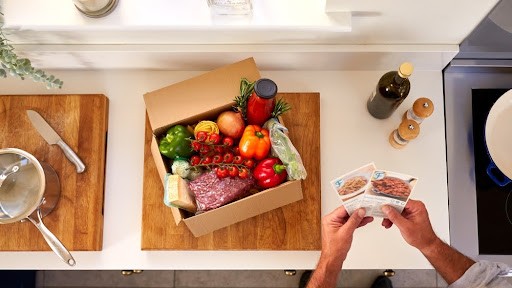
Today’s consumer wants “quick” but never “boring.” Convenience no longer means bland or basic — it’s about healthy, globally inspired food choices that pack bold taste into minimal prep time.
Meal kits, pre-seasoned meats, and heat-and-eat tofu or seafood options speak to a generation that values experience over routine. This is the new landscape of eating: smart shortcuts that preserve nutrition, encourage exploration, and keep busy eaters connected to culinary creativity.
When Complexity Becomes a Barrier: Recognizing Over-Elaboration in Meals
Sometimes, complexity goes too far. Overly intricate recipes, niche ingredients, or excessive steps can overwhelm home cooks, leading to frustration or food waste. The best meals strike harmony, offering just enough challenge to feel rewarding but never so much that cooking becomes a chore.
Excessive complexity can also raise costs across the supply chain, making meals less accessible. High price points, unpredictable ingredient availability, and short shelf life can alienate the average consumer. The secret lies in making sophisticated cuisine feel simple, a principle top brands and chefs are mastering with modular menu design and clever innovation.
Role of Innovation in Supporting Balanced Meals
From meal kits to smart appliances, modern innovation bridges the gap between convenience and complexity. Here’s how each plays its part:
- Meal Kits and Pre-Portioned Ingredients: These services bring education, nutrition, and excitement back to the kitchen. They simplify shopping, reduce food waste, and teach users how to combine ingredients effectively without intimidation.
- Smart Appliances and Connected Kitchens: Technology now manages cooking precision with tools like Wi-Fi ovens, automated sauce stirrers, and AI-driven air fryers that adapt to user experience data. These upgrades boost food safety, consistency, and overall efficiency.
- AI-Powered Recipe Development: With artificial intelligence, chefs and brands can test new recipes, calculate calories, predict consumer preferences, and even optimize nutrition profiles across menus. This leads to better food choices, targeted advertising, and faster product launches.
- Advanced Freezing and Preservation: Techniques like individual quick freezing using cryogenic ice are extending shelf life, enhancing taste, and cutting down on food spoilage. These technologies reduce the risk of disease while improving wellness and food safety.
- Sustainable Packaging and Recycling Initiatives: Smarter packaging design and recycling programs are improving sustainability and lowering decomposition rates in the environment. Eco-friendly materials and smart labels increase transparency and traceability, building stronger consumer trust.
Common Mistakes When Trying to Balance Convenience and Complexity
Finding balance is an art, and plenty of brands, home cooks, and restaurants stumble. Here are some common missteps:

- Prioritizing Speed Over Substance: Relying solely on frozen meals or pre-packaged snacks may save time but can dull the culinary experience and reduce nutrient density. Aim for convenience with a purpose: quick meals that still deliver nutrition, protein, and flavor.
- Ignoring Consumer Education: Education drives smarter food choices. When people lack information about ingredients or food safety, they’re less likely to make balanced diet decisions. Successful brands invest in teaching through packaging cues, content, and advertising, to promote both health and enjoyment.
- Overcomplicating Recipes: Some companies equate complexity with sophistication. But the average consumer values accessibility. Overly long instructions, unfamiliar ingredients, or high costs create barriers. The goal is approachable creativity that fits modern lifestyles.
- Overlooking Food Preservation: Improper food preservation methods can lead to food spoilage, waste, and potential risk to food safety. Leveraging modern freezing or packaging methods enhances shelf life without compromising taste.
- Neglecting Sustainability and Transparency: Ignoring sustainability or traceability concerns can damage a brand’s reputation. Today’s consumer demands transparency, from ingredient sourcing to food delivery and logistics. Conscious design across every step of the food system boosts trust and loyalty.
Trend Watch: How Food Trends Will Continue to Evolve Around These Concepts
The next wave of food industry evolution revolves around personalization and data. Expect brands to leverage personal data and artificial intelligence to tailor menus, manage nutrient profiles, and forecast consumer preferences in real time.
At the same time, sustainability, traceability, and reduced food waste will dominate market conversations. Advances in technology, packaging, and agriculture will further improve food quality, while next-gen frozen options, plant-based protein, and better recycling will redefine how meals are produced, shipped, and consumed. This evolving landscape is where creativity and convenience finally meet in perfect, flavorful balance.
Bring Flavor Harmony to Life with NuSpice
At NuSpice, we believe that balance is delicious. Our team of culinary innovators understands the science of nutrition, the art of taste, and the demand for practical innovation that fits seamlessly into modern kitchens.
From custom ingredient development to trend-forward recipes, NuSpice helps brands and foodservice professionals craft flavors that satisfy both simplicity and sophistication. Schedule a consultation with a seasoned expert at NuSpice today and bring your next big idea to life.