
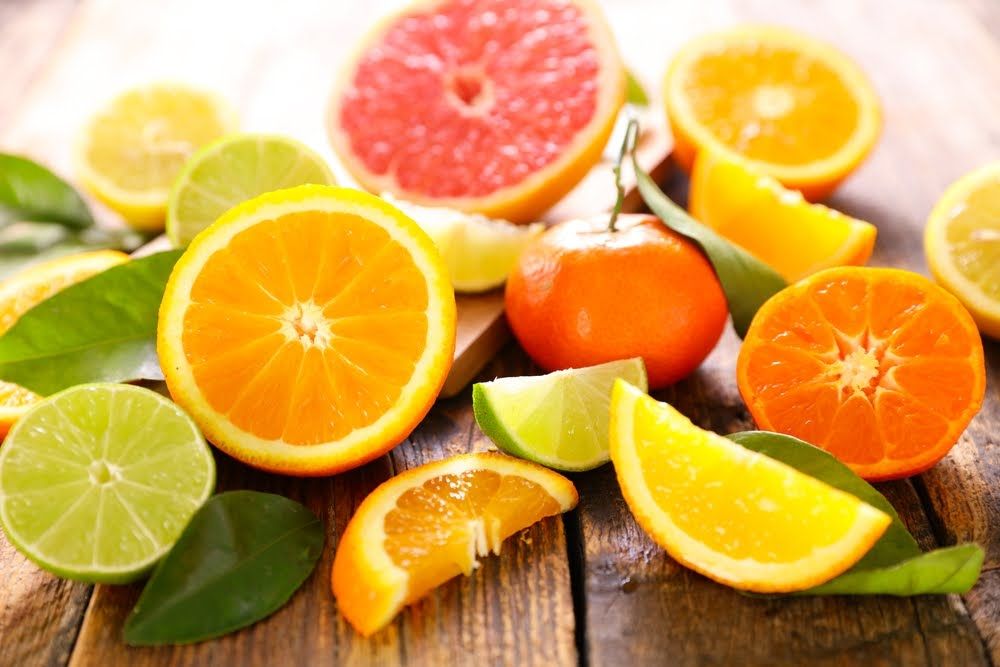
Tangy, fresh flavors have a way of waking up the palate before the first bite is even finished. In fact, a bright splash of citrus or a whisper of acidity has the power to cut through the richness and reset the senses.
Today, lively flavor profiles are doing more than adding zing; they’re creating balance, elevating familiar formats, and making products feel lighter, cleaner, and more craveable. From crunchy snacks to creamy dips and bold finishing sauces, acidity and freshness help temper heaviness, enhance savory notes, and deliver a sense of movement across the palate.
For product developers, research chefs, and food scientists, tangy-fresh flavor pairings offer a powerful way to differentiate products while aligning with modern consumer preferences for bright, airy, and rejuvenating snacks and sauces.
Why Tangy & Fresh Flavors Are Trending
After years of bold, heavy profiles dominating shelves, there’s a noticeable shift toward flavors that satisfy and energize without being overwhelming. Tangy and fresh notes naturally deliver that balance by adding contrast and lift.
The Palate Fatigue Antidote
In a market saturated with ultra-processed, high-fat snacks, acidity serves as a functional tool to reset the taste buds. It provides a contrast that prevents the palate from becoming desensitized, enhances perception, sharpens flavor definition, and can make snacks feel less dense while still delivering impact. A familiar benchmark of this balance is Kettle Brand’s Sea Salt & Vinegar Chips, which blend multiple acids to create a sharp first hit followed by a mellow, lingering tang that keeps the palate engaged.
The Wellness Halo
Zesty, bright, citrus-forward profiles read as clean and “better-for-you.” Consumers associate tangy flavors with freshness, fewer heavy preservatives, and a closer connection to nature. Products like Lesser Evil’s Himalayan Pink Salt + Lime Popcorn continue to prove that citrus can cue lightness and healthfulness even in indulgent snack formats.
Nuanced Flavors for the Sophisticated Palate
Today’s consumer isn’t settling for basic lime. They want the floral push/pull of calamansi or the fermented depth of a Filipino sawsawan. This curiosity is also reflected in beverages—Sanzo’s Yuzu Sparkling Water, for example, has introduced many consumers to a brighter, more floral citrus profile that pairs beautifully with modern snacks and sauces.
Citrus-Forward Pairings That Feel Clean and Modern
Citrus remains one of the most versatile tools for delivering tangy freshness, but modern applications go far beyond lemon and lime. Today’s citrus pairings are layered and nuanced.
- Lime paired with sea salt and subtle savory notes continues to perform strongly, especially in snacks where brightness cuts through starch and oil.
- Lemon works beautifully alongside cracked pepper, garlic, or mild cheeses, lending a clean finish that keeps flavors from feeling flat.
- Orange and tangerine, when used carefully, can add gentle sweetness that rounds acidity and supports spice or herbal components.
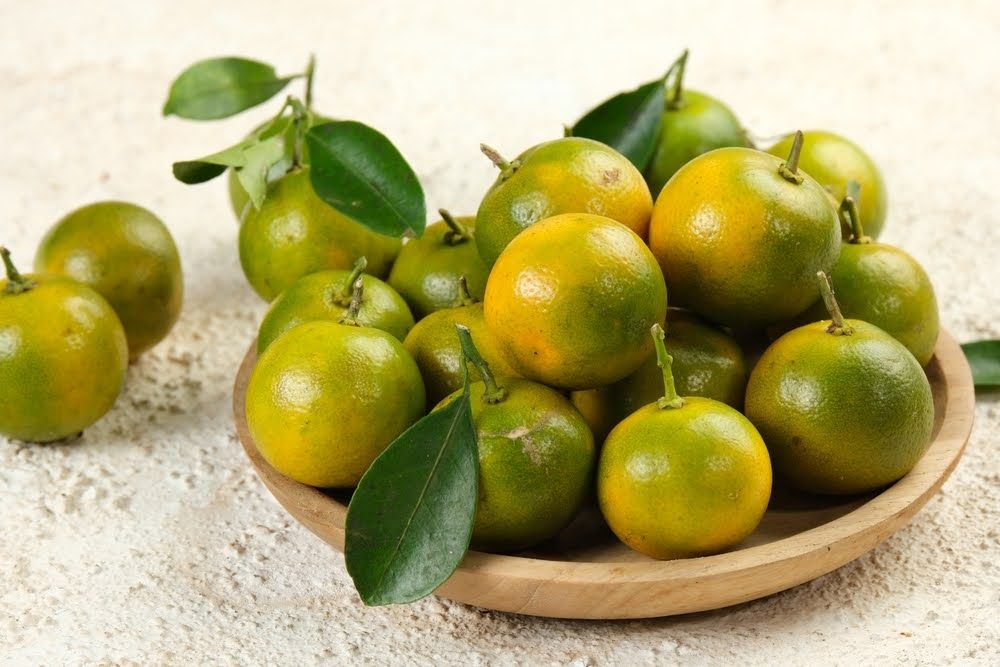
- Calamansi offers a unique hybrid profile of sour lime and sweet mandarin. When paired with the nutty, earthy depth of toasted sesame in a snack seasoning or a dressing, it creates a clean but complex experience.
- Yuzu’s high-toned, floral aromatics are notoriously volatile, so by pairing it with the resinous, mild heat of pink peppercorn, you anchor the citrus. This combination works exceptionally well in extruded snacks or high-end popcorn, where the floral notes of the peppercorn bridge the gap between the bright citrus top notes and the starchy base.
- Blood orange provides a deep, berry-like acidity that can be paired with the subtle anise notes of ground fennel seed to create a beautiful vinaigrette-style sauce or gourmet crackers.
What makes these citrus flavor pairings feel truly unique is restraint. Citrus is no longer the headline; it’s the framework. It lifts roasted flavors, highlights herbs, and provides a clean exit on the palate.
Herb-Focused Pairings That Enhance Freshness
Herbs and green flavors are natural partners to tangy elements, reinforcing freshness while adding complexity. They even introduce aromatic lift and visual flavor cues that consumers associate with quality and craftsmanship.
Some of our favorite tangy and fresh herb-forward flavor pairings include:
- Basil and White Balsamic: White balsamic is crisp and floral, and when combined with the peppery sweetness of dried basil, it creates a profile that mimics a fresh caprese salad. This is particularly effective in vegetable-based snacks, like snap pea crisps or dehydrated zucchini.
- Lemongrass and Mint: Lemongrass provides a woody, citrusy foundation, while mint offers a cooling sensation (from the menthol) that physically refreshes the mouth. In a dipping sauce or a chilled marinade, this pairing provides an instant lift that makes even fried applications feel light.
- Cilantro and Green Tomato: When the malic-acid tang of green tomato powder is paired with the bright, citrusy notes of cilantro, it creates a salsa verde profile that feels raw and vibrant rather than cooked and heavy.
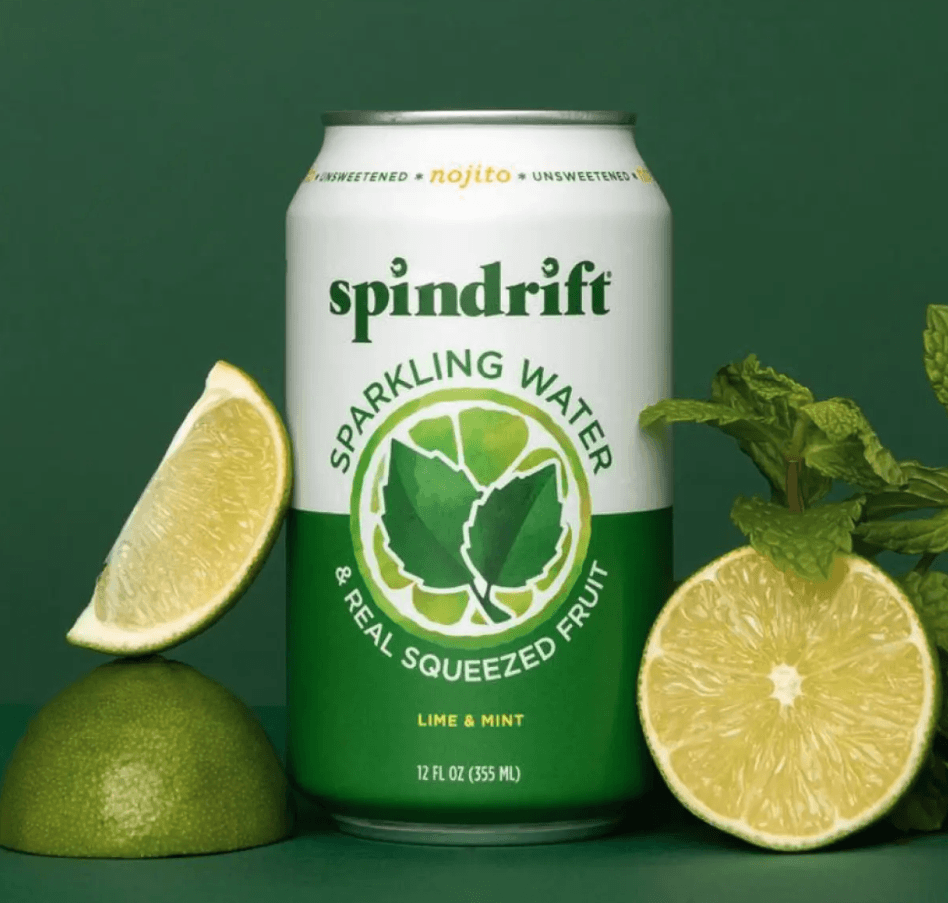
- Herbs and Citrus Fruits: Basil, cilantro, parsley, and dill pair especially well with citrus fruits, creating profiles that feel bright and composed. Scallions and chives can also enhance tanginess by grounding it. Bright, herb-lifted citrus is also thriving in beverages, with products like Spindrift’s Lemon + Mint proving how refreshing and clean the combination of tangy citrus and cooling herbs can be.When used thoughtfully, these elements create flavors that unfold gradually, offering initial brightness followed by savory satisfaction.
Tangy Heat: When Spice Becomes More Than Just Heat
Today’s consumers are no longer satisfied with heat for heat’s sake. While they still love spice, they want flavor profiles that offer dimension, balance, and intrigue. And flavor pairings that provide tangy heat answer the call. Instead of burning the tongue, snacks and sauces with tangy heat deliver a quick spark followed by a refreshing aftertaste, encouraging bite after bite.
If you’re looking to add tangy power to your formulations, consider one of these flavor pairings:
- Ancho and Hibiscus: By replacing the lime in chili-lime pairings with hibiscus (which provides a deep, cranberry-like tartness) and pairing it with the smoky heat of Ancho chili, you create a sophisticated flavor profile that has a hint of fruitiness from the pepper.
- Pepper and Vinegar: Inspired by the North Carolina BBQ tradition and the resurgence of fermented hot sauces, there’s a demand for vinegar-first seasonings. One popular pairing from this trend includes habanero and apple cider vinegar. The sharp, fermented tang of the cider vinegar hits the front of the tongue, while the habanero provides a slow, creeping back-heat. Even chili crunch continues to evolve — products like Momofuku’s Chili Crunch lean into tangy, umami-driven heat rather than pure spice, signaling where modern “craveable heat” is headed.
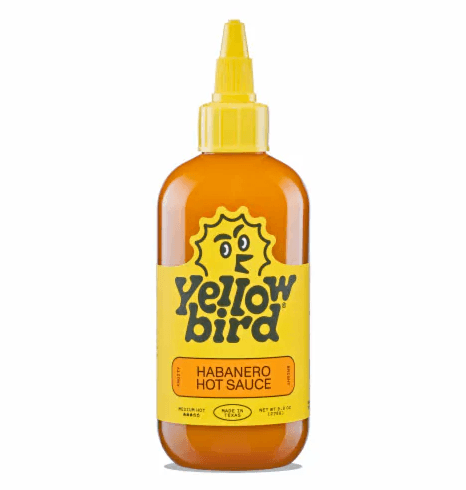
- Habanero and Apple Cider Vinegar: Take the ‘pepper and vinegar’ one further with this one. You can see this clearly in products like Yellowbird’s Habanero Hot Sauce, where ACV takes the lead and the heat blooms slowly afterward.
- Ginger, Yuzu, and Fermented Chili: When ginger’s sharp, clean heat is paired with the fermented depth of gochujang or koji and brightened with yuzu, you get a three-dimensional flavor. The fermentation provides umami, the ginger provides freshness, and the yuzu provides the acidic ping that ties it all together.
In modern formulation, tangy heat is less about pushing limits and more about creating craveability. By combining controlled spice with bright acidity, brands can meet consumer demand for boldness while delivering flavors that feel clean, engaging, and endlessly repeatable.
Balancing the Brightness of Tangy Foods
Since tangy-fresh flavors are powerful, they require careful handling. Too much sharpness can fatigue the palate or obscure the base product, while too little can leave flavors feeling underdeveloped. Successful formulations, therefore, focus on balance and pacing.
Manage the Acid Spike
Using a blend of acids is often superior to using a single source. This is because each type has a different flavor profile. For example, citric acid (found in citrus fruits) provides a sharp, immediate hit; malic acid (found in apples) has a longer, lingering sourness; and lactic acid (found in lactose products) provides a smoother, creamier tang. By “stacking” these acids, you create a rounded tartness that doesn’t overwhelm the base of the snack or sauce.
Build Layers of Release
The most craveable snacks feature flavors that unfold over time. That’s why we often recommend the following layers for tangy, fresh snacks and sauces:
- Top Note: The initial hit of citrus or fresh herb
- Middle Note: The savory base or the body of the spice
- Finishing Note: The lingering acidity or the “cool” of a mint or ginger
Remember the Role of Contrast
To make the tangy freshness of your product pop, you need a counterpoint. For example, a small amount of sweetness (such as sucrose or fruit powders) can take the edge off a sharp vinegar, making it more craveable. Similarly, a touch of umami (such as a yeast extract or mushroom powder) provides a floor for the high-toned citrus notes to sit on, giving the flavor weight without making it feel heavy.
Create Tangy-Fresh Experiences for Your Customers With NuSpice
At NuSpice, we collaborate closely with product developers and culinary teams to craft flavor systems that capture the brightness consumers crave. By exploring thoughtful pairings (such as fruits and spices or herbs and citruses), layering sensations, and designing flavors that unfold naturally, we help bring tangy-fresh concepts to life in ways that are incredibly memorable.
If you’re looking to develop flavor profiles that elevate your next snack or sauce, NuSpice is ready to collaborate. Contact us today to create flavors that refresh the palate, excite the senses, and keep consumers coming back for more.