

The idea of “Me Time” has evolved from a luxury into a necessity. In today’s fast-paced, always-on world, consumers are increasingly carving out intentional moments to pause, recharge, and reconnect with themselves. And what we choose to eat during these quiet moments matters, because flavor has the ability to calm, ground, and provide emotional reassurance. Comfort flavors, in particular, are becoming a key expression of self-care, offering familiarity and warmth in a world that often feels overstimulating.
The Psychology Behind Safe, Comforting Foods
Why do we reach for specific flavors when we need to unwind? The answer lies in the complex intersection of neurobiology and nostalgia. Psychologically, comfort foods are often associated with flavors that evoke positive memories of childhood and security. When we consume foods that remind us of being looked after, our brains trigger the release of dopamine — the “feel-good” neurotransmitter — which provides a temporary reprieve from stress and anxiety. This emotional grounding is especially valuable during Me Time, when the goal is restoration rather than stimulation.
There’s also a sensory element at play. Comforting foods tend to feature softer textures, mellow sweetness, and balanced richness that feel physically soothing. These sensory cues help signal to the brain that it’s time to slow down, unlike the bold, aggressive flavors designed for excitement and novelty.
Overall, in an era of “permacrisis,” where global and personal stressors are constant, the predictability of a familiar flavor offers a sense of control and safety that is deeply restorative.
How Consumers Define “Me Time” Today
While the idea of Me Time is universal, the way consumers actually experience it is far more nuanced. These moments of pause aren’t one-size-fits-all — they show up throughout the day in different emotional states, each with its own sensory expectations. For brands, understanding these micro-occasions is critical. Comfort flavors resonate most when they align not just with taste preferences, but with why the consumer is reaching for that product in the first place.
The Evening Wind-Down
The most familiar Me Time moment happens at the end of the day, when consumers are actively seeking to decompress and transition out of “go mode.” Here, flavor becomes a tool for slowing down. Warm, rounded profiles and soft textures signal comfort and quiet, offering a sense of emotional closure after a long day.
Consumers gravitate toward vanilla cream, cinnamon warmth, golden milk spices, and chamomile-honey notes — flavors that feel gentle rather than stimulating. These profiles pair naturally with snacks and sips designed to be enjoyed slowly, reinforcing nighttime rituals and the growing desire for “cozy calm” experiences.
The Mid-Day Reset
Not all Me Time moments are indulgent. Many are brief, functional pauses designed to restore focus and ease stress without weighing the consumer down.
During these mid-day resets, flavors that feel clean, refreshing, and lightly uplifting take center stage. Lemon-ginger, mint, berry-herbal blends, floral citrus, and lightly sweetened latte profiles help create a sense of clarity and renewal. In this space, comfort intersects with wellness — offering emotional reassurance without excess heaviness.
The Reward Ritual
Then there are the moments that feel earned. These Me Time rituals are about emotional payoff — a small indulgence that signals personal care and satisfaction.
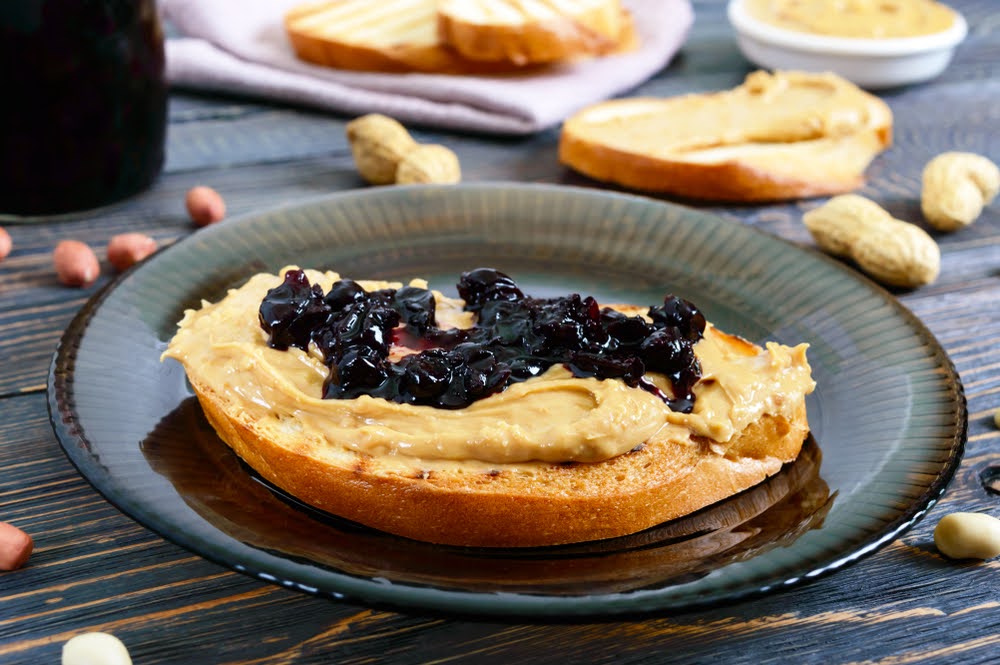
Here, comfort leans into nostalgia, but with a refined, adult sensibility. Cereal milk, browned butter, elevated peanut butter and jelly, toasted marshmallow, and root beer float-inspired profiles deliver familiarity while still feeling premium. This is where newstalgia thrives, blending emotional safety with modern expectations for quality and craftsmanship.
Across all three moments, comfort flavors serve a common purpose: they create emotional ease. Whether soothing, refreshing, or indulgent, these flavor experiences help consumers reclaim a sense of control, calm, and presence — setting the stage for why comfort foods feel so powerful during Me Time.
Key Comfort Flavors to Watch
As Me Time becomes a more defined occasion, certain flavor profiles are emerging as clear favorites. These flavors share a common thread: they feel familiar and emotionally rewarding without being boring or outdated.
- Warm Spices: Notes of cinnamon, nutmeg, and cardamom offer a “hug in a bite,” providing a gentle heat that feels cozy rather than aggressive. These flavors feel especially well-suited for evening snacks or slow moments. In fact, we’re seeing a rise in golden milk profiles (turmeric and ginger) and chai-infused savory snacks for nighttime routines.
- Creamy & Velvety Textures: Vanilla, sweet cream, caramelized milk notes, and buttery flavors evoke indulgence while remaining soothing. Their rounded mouthfeel and mellow sweetness align naturally with relaxation and even feel like little treats or rewards at the end of a long day.
- Newstalgic Hits: Newstalgia involves taking a classic childhood favorite and giving it a sophisticated, adult twist. Think cereal milk-flavored cookies, elevated peanut butter and jelly crackers, or root beer float-inspired popcorn. These flavors bridge the gap between the safety of the past and the premium quality expected in adulthood.
- Botanical Notes: For a more spa-like self-care experience, consumers are gravitating toward lavender, chamomile, and honey-flavored treats. These flavor profiles often come with functional benefits, creating a flavor experience that signals the brain to transition into “rest and digest” mode.
Data Snapshot: Comfort Flavors & Me Time Behaviors
Comfort & Emotional Wellness
- 65% of consumers say they use food as a way to manage stress, especially during evening hours.
- More than 70% describe comfort flavors as “emotionally stabilizing,” making them a go-to during overwhelm.
- 4 in 10 consumers say they are snacking more at night than they were 2 years ago, driven by emotional fatigue
Me Time & Solo Snacking
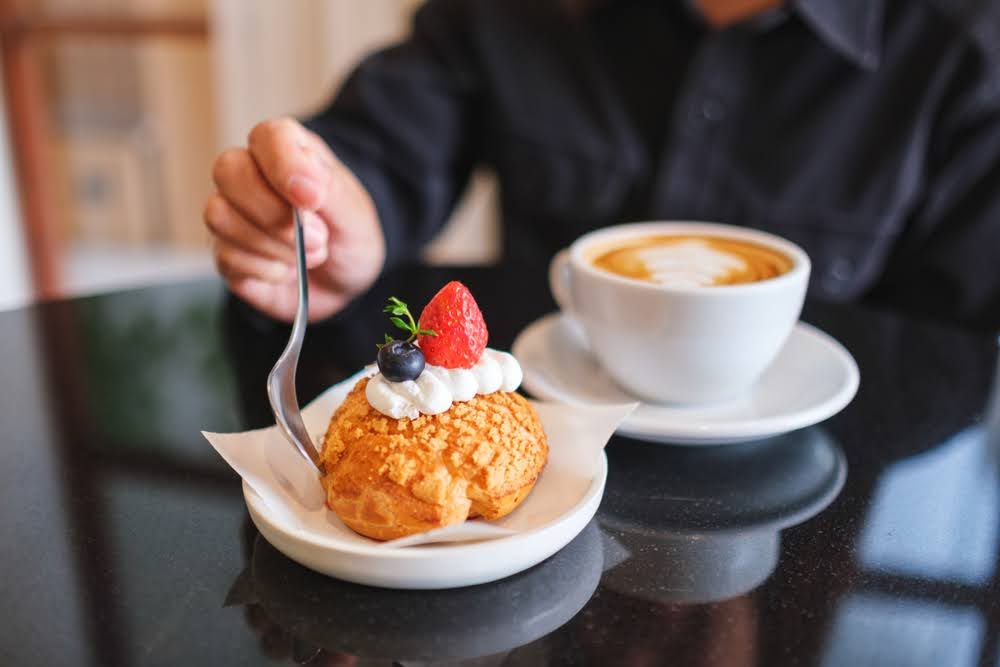
- Over 55% of consumers intentionally schedule solo snacking time, treating it like part of a wellness routine.
- Nearly 45% of “Me Time” snacks are consumed between 8pm–11pm, making evening flavors and textures a prime opportunity.
- 42% of consumers say they now buy snacks specifically for “quiet moments” rather than social occasions.
Nostalgia & Newstalgia
- 7 in 10 consumers say nostalgic flavors make them feel “emotionally safe.”
- Millennials and Gen Z are 30% more likely than Boomers to purchase a product because it reminds them of childhood, but they prefer a “premium twist.”
- Nostalgia-driven flavor launches have grown more than 25% year-over-year, especially in salty snacks, popcorn, and sweet baked goods.
Texture as Comfort
- Over 60% of consumers say texture contributes as much to comfort as flavor.
- Soft, creamy, and rounded textures rank highest for relaxation, while loud or crunchy textures are tied to energy and stimulation.
- 40% say they avoid “aggressive textures” at night because they feel too stimulating.
- Consumers describe velvety textures as “soothing” and “therapeutic,” a key insight for evening snacking.
Functional Comfort
- 49% of consumers prefer snacks that are comforting but also functional, blending indulgence with perceived health benefits.
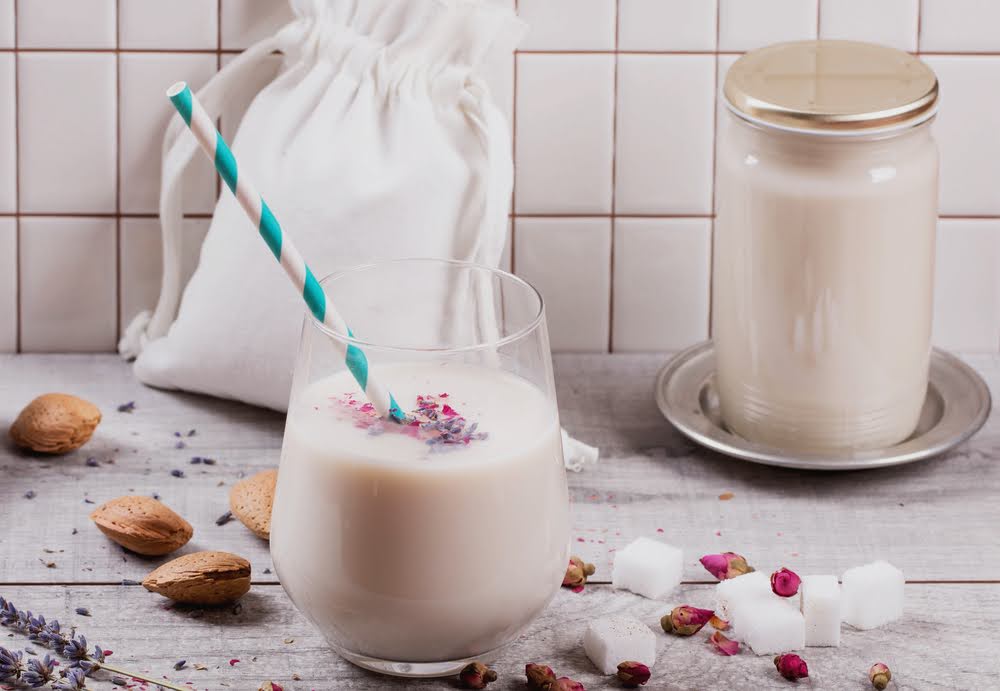
- Botanical + comfort hybrids have grown nearly 30%, especially chamomile-vanilla, lavender-milk, and honey-citrus combinations.
- Products with stress-supportive claims (calming, adaptogenic, gut wellness) are outpacing total snack growth by a wide margin.
Wellness-Driven Flavor Choices
- 58% of consumers say they look for “calming flavors” in the evening, like chamomile, vanilla, honey, and warm spices.
- Botanical flavors linked to relaxation have increased nearly 20% in launches, especially floral-herbal blends.
- Consumers associate pale, warm, or muted flavors with calmness, influencing packaging and flavor narrative.
Snack Occasion Insights
- Nighttime snacking occasions now represent nearly 25% of all snack consumption.
- Soft snacks (puffs, baked bites, velvety confections) are growing faster than crunchy formats in evening use.
- Consumers say the top traits they want in nighttime snacks are “soothing,” “gentle,” “familiar,” and “not too sweet.”
Tips for Brands: Creating Comforting Flavor Experiences
Designing products for Me Time requires more than choosing the right flavor. It’s about crafting an experience that feels intentional and emotionally aligned with self-care values. Here are a few ways you can do this:
Use Familiar Flavors With a Twist
Start with a flavor the consumer already trusts — like vanilla, cheddar, or maple — and elevate it with a sophisticated plus one. A smoked maple or a truffle white cheddar flavor pairing allows consumers to feel safe while still experiencing something new. The key here is restraint — innovation should enhance the Me Time experience, not distract from it.
Pair Comfort Flavors With Functional Benefits
Consumers increasingly want their Me Time to feel purposeful, even indulgent. Consider pairing comforting flavors with functional ingredients to create a product that becomes part of a ritual rather than a guilty pleasure. For example, a dark chocolate and sea salt seasoning that includes ashwagandha could be used for stress relief, or a lemon-ginger profile with added probiotics could support gut health.
Build Storytelling Around Self-Care Rituals
Products designed for self-care moments benefit from narratives that emphasize slowing down and being intentional. Flavor descriptions can reinforce this by highlighting warmth, familiarity, and emotional ease, mirroring the experience consumers seek.
Consider Packaging and Sensory Cues
For food products created for Me Time, sensory cues such as aroma and visual presentation matter. For instance, gentle aromas can enhance the perception of comfort before the first bite, while muted, warm tones in packaging can signal calm and simplicity. Every touchpoint should reinforce the idea that this product is meant to be enjoyed slowly and without pressure.
Let NuSpice Help You Build Snacks for Me Time
As consumers continue to redefine self-care, food is becoming an essential part of how they unwind, reset, and reconnect with themselves. And because of this growing trend, comfort foods are no longer just about indulgence — they help achieve emotional wellness and a sense of ease. For brands, this opens the door to products that feel personal, thoughtful, and deeply resonant.
If you’re looking to create flavor profiles that support moments of calm and self-care, partner with NuSpice. We understand how flavor can shape emotion and experience, and our experts will work alongside your team to create spice blends that feel comforting yet relevant, familiar yet refined. By aligning flavor with the growing focus on wellness and Me Time, we help brands develop products that consumers turn to not just for taste, but for how they make them feel.
Let’s craft comforting flavor experiences that resonate with today’s consumers and become an essential part of their Me Time rituals today!