
Flavor hybridization is the intentional blending of distinct flavor profiles, culinary traditions, or sensory formats into a single cohesive experience. It has become a strategic tool for food developers looking to differentiate products, elevate sensory appeal, and meet evolving consumer expectations.
What’s driving the rapid rise of hybrid flavors isn’t novelty alone—it’s necessity. After years of category saturation and menu fatigue, consumers want more value and excitement from every bite. At the same time, inflation-driven purchasing decisions have made shoppers more selective, increasing demand for products that feel thoughtfully designed rather than gimmicky. Hybrid flavors answer this moment perfectly by delivering discovery without discomfort, pairing the unexpected with familiar anchors that feel safe and craveable.
Exposure to global cuisines through travel, social media, and modern food culture has also expanded palates and raised expectations. Consumers now expect flavors to feel layered, intentional, and story-driven. For product developers, this shift comes with added pressure to create platformable flavor systems—profiles that can flex seamlessly across snacks, sauces, beverages, and plant-based applications. Flavor hybridization meets all of these needs at once, offering freshness, familiarity, storytelling, and operational efficiency within a single flavor concept.
What Is Flavor Hybridization?
Today’s consumers aren’t just looking for one-note flavors. They want products that surprise them, tell a story, and deliver more than taste alone. Flavor hybridization is a powerful way to push boundaries while still anchoring products in comfort and accessibility. Whether it’s blending indulgence with wellness cues or merging global inspirations with classic formats, hybrid flavors are redefining how products are imagined and developed.
Examples of Hybrid Flavors
Hybrid flavors show up across nearly every aisle of the grocery, and what makes them compelling isn’t novelty for novelty’s sake, but how seamlessly distinct elements are brought together to create a balanced product.
Some of the most successful examples of flavor hybridization include:
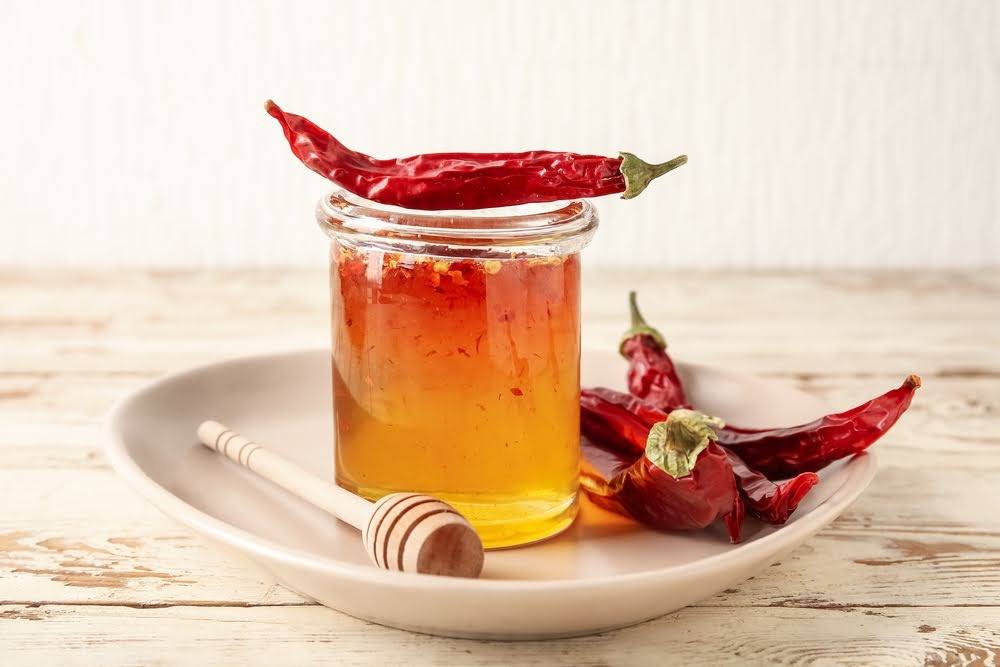
- Swicy (Sweet & Spicy): Perhaps the most dominant hybrid trend of the decade, swicy pairings like hot honey, mango habanero, and sriracha-maple have moved from niche condiments to mainstream snacks. The sweetness provides an immediate hit of pleasure, while the heat provides a lingering, addictive finish that keeps consumers coming back for more.
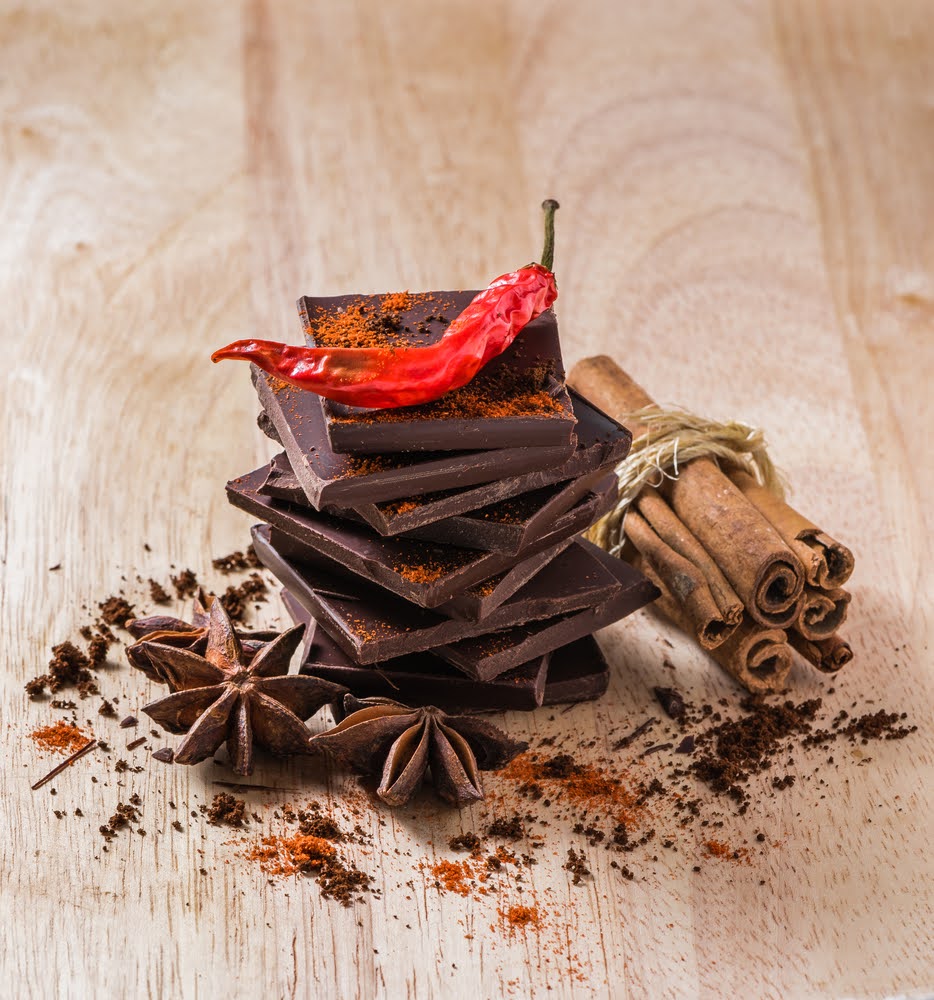
- Sweet & Savory: We are seeing a significant rise in savory elements entering traditionally sweet categories. Think Miso Caramel, Black Pepper Strawberry, or Rosemary Sea Salt Toffee. These pairings use umami and herbal notes to ground the sweetness, making the product feel more sophisticated and less cloying.
- Global Fusions: Korean BBQ tacos, Mediterranean-inspired spice blends with citrus and herbaceous accents, or sauces that combine Latin heat with Asian acidity all demonstrate how hybridization allows brands to create flavors that feel worldly yet approachable.
Why Hybrid Flavors Are Gaining Momentum
Exposure to global cuisines through travel, social media, and food culture has expanded palates and increased curiosity. Shoppers are now more willing to try something new, but they still want reassurance through familiar touchpoints. Hybrid flavors meet this need perfectly.
These unique flavor combinations allow brands to introduce novelty without risk by pairing the unexpected with something recognizable. For example, a consumer may hesitate to try a completely unfamiliar flavor such as yuzu, but when it’s blended with a known favorite (lemonade), it feels safer and more enticing.
There’s also a growing desire for food experiences that feel layered and intentional. Consumers associate complexity with quality, and hybrid flavors naturally deliver the perception that multiple flavor notes equate to skilled craftsmanship, even in everyday products.
At the same time, shoppers increasingly want products that work harder for them—seasonings that can move from snacks to sauces, marinades to condiments, or beverages to bakery. Versatility has become a major purchase driver, especially as consumers seek fewer items that deliver more value across multiple eating occasions. This desire for flexible, multi-use flavors aligns directly with hybridization.
Along with this shift comes an increased interest in multi-sensory eating experiences. Consumers aren’t satisfied with taste alone; they want aroma intensity, textural contrast, visual intrigue, and even temperature sensations that create a more immersive experience. Hybrid flavors that incorporate layered aromatics, particulates, and format-driven textures meet this need naturally, making products feel more engaging and premium.
How Format Hybridization Is Reshaping Product Development
While flavor gets most of the spotlight, one of the biggest opportunities in today’s market comes from format hybridization—the blending of familiar culinary forms to create new, memorable eating experiences. This approach expands how consumers interact with flavor, texture, and even usage occasion, making a product feel both cutting-edge and comfortingly recognizable.
Format hybridization is showing up everywhere:
Sauce-to-Seasoning Crossovers
Beloved sauces are being reimagined as dry blends for snacks, proteins, and meal kits. Think ranch-dill pickle dust, gochujang-inspired rubs, or chimichurri-blend popcorn toppings. These flavors translate the essence of a sauce into a more versatile, scalable format.
Beverage-Inspired Snack Flavors
Lemonade chili dust, espresso cocoa rubs, and horchata-inspired coatings blur the lines between sips and bites. These hybrids tap into nostalgia and trend-driven beverage culture while expanding their use into chips, bars, and confections.
Snack Flavors Moving Into Condiments
Flamin’ hot aiolis and everything-bagel dressings bring snack aisle flavor equity into dips, spreads, and sauces, creating instant familiarity with added excitement. This cross-category movement boosts trial and brand recognition.
Sweet Flavors Entering Savory Formats (and Vice Versa)Honey-butter chicken marinades, maple-wasabi vinaigrettes, and black-sesame caramel glazes show how crossing category boundaries invites experimentation and pushes flavor innovation without alienating the consumer.
Cross-Cultural Format Blends
Korean corn dogs, birria ramen, pizza dumplings, and curry mac & cheese fuse global formats in ways that feel fresh but accessible. These hybrids thrive on social media due to their craveable visuals and bold flavor stories.
At its core, format hybridization creates platformability—allowing the same core flavor system to appear across multiple applications without losing its identity. For developers, this means more efficient R&D, faster iteration, and stronger portfolio cohesion. For consumers, it means products that feel familiar enough to trust but fresh enough to get excited about.
How to Execute Hybrid Flavors Without Overcomplicating
Hybridization works best when it feels intentional, not busy. The strongest hybrids have a clear anchor and just enough contrast to feel new.
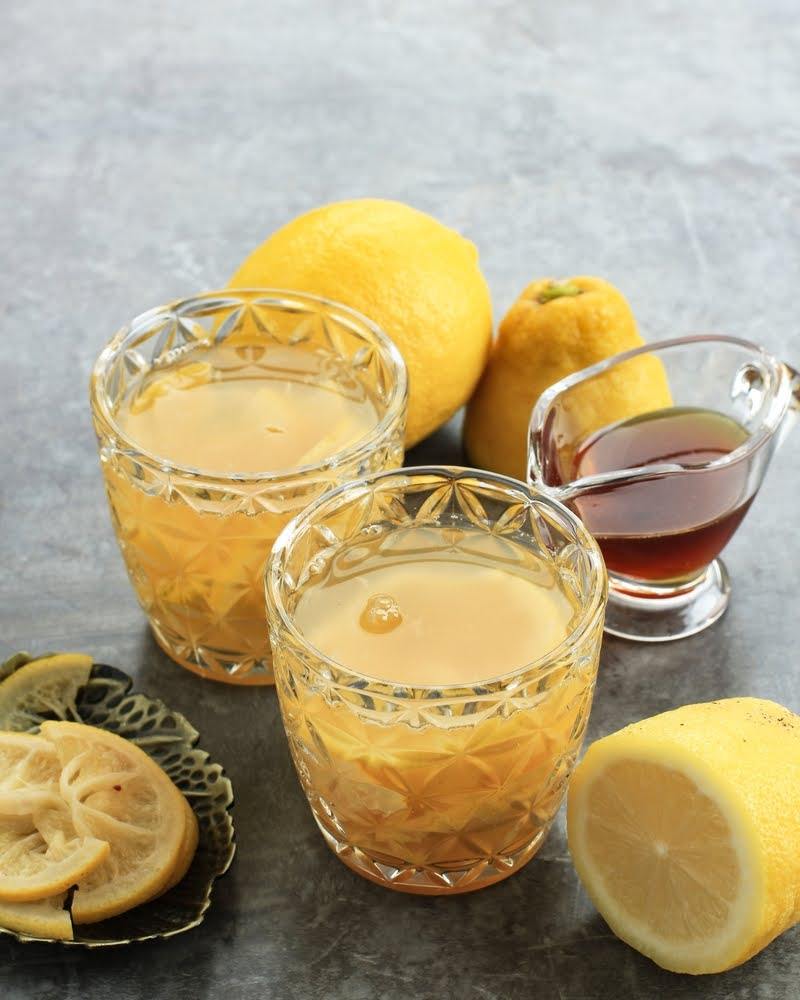
- Lead with one hero note. Choose the “front label” flavor (hot honey, yuzu lemonade, miso caramel) and keep everything else supporting it.
- Keep the blend readable. Aim for mostly familiar + a controlled twist so the consumer feels intrigued, not confused.
- Use aroma for depth. Toasted, smoky, floral, or herbal aromatics can create perceived complexity without stacking more tastes.
- Let texture do some of the work. Crunch, creaminess, heat/cooling, and acidity can add dimension without adding ingredients.
- Avoid doubling the same intensity. In global fusions, don’t stack multiple “loud” notes (heat + funk + smoke + sweetness). Pick one, then balance with acid/fat/aroma.
- Test across formats early. A hybrid should hold up as a seasoning, sauce, or coating without losing its identity.
- Keep the story one sentence. If you can’t explain it fast, it’ll be hard to sell fast.
How Flavor Hybridization Provides Functional Benefits
Beyond taste, flavor hybridization plays a critical role in supporting functional positioning. By carefully selecting ingredient combinations, developers can signal specific health and wellness benefits to the consumer.
Take a look at just a few of the ways your brand could promote a variety of benefits with functional flavorings:
- Combining bright citrus notes (such as blood orange) with botanical cues like ginger or green tea creates a flavor profile that feels naturally invigorating.
- Hybridizing functional hero ingredients like turmeric and black pepper or ginger and honey into snack seasonings or dressings communicates to shoppers the anti-inflammatory benefits of that product.
- Umami-rich hybrids, such as shiitake-sea salt or miso-garlic, can enhance the perception of fullness or meatiness of plant-based products, leading to satiety.
- Combining fermented notes (like those found in kimchi or kombucha) with cooling herbs like mint or lemongrass can position a product as gut-friendly as well as refreshing.
How Aroma Cues and Mouthfeel Influence Perceived Complexity
Flavor hybridization isn’t just about taste; it’s a full sensory experience. Aroma cues and mouthfeel play a major role in how consumers perceive the complexity and quality of a product.
The Benefits of Aroma
Much of what we perceive as flavor is actually aroma detected through the back of the throat while eating (retronasal olfaction). This means that hybridization allows us to layer aromas. For example, a seasoning might have a sweet taste on the tongue, but as the consumer chews, the aroma of smoked wood or toasted cumin is released, adding layers of perceived complexity that a simple sweet seasoning would lack.
The Impact of Mouthfeel
Mouthfeel — the physical sensation of food in the mouth — is a critical component of satisfaction. That’s why flavor hybridization often involves pairing contrasting textures to enhance the flavor experience. For example, a creamy sauce hybridized with a sharp, acidic pop of lime or vinegar prevents palate fatigue, keeping the taste buds active and making the product feel fresher for longer.
By manipulating viscosity, astringency, and cooling/warming sensations, food scientists can make a flavor feel more premium and evolved.
The Future of Flavor Hybridization Is Yours to Discover at NuSpice
As consumer expectations continue to evolve, flavor hybridization will remain a key driver of innovation. And the brand that is willing to push boundaries thoughtfully will be the first to introduce new combinations that excite and surprise consumers without overwhelming them.
By understanding how flavors interact, how consumers perceive complexity, and how taste supports functional goals, our food scientists at NuSpice help brands craft profiles that feel bold yet accessible. No matter if you’re looking to develop the next craveable snack, a standout sauce or dressing, or a signature spice blend, we can assist you in using flavor hybridization to create products that resonate today and inspire tomorrow.
Partner with NuSpice today and shape experiences consumers won’t forget!