
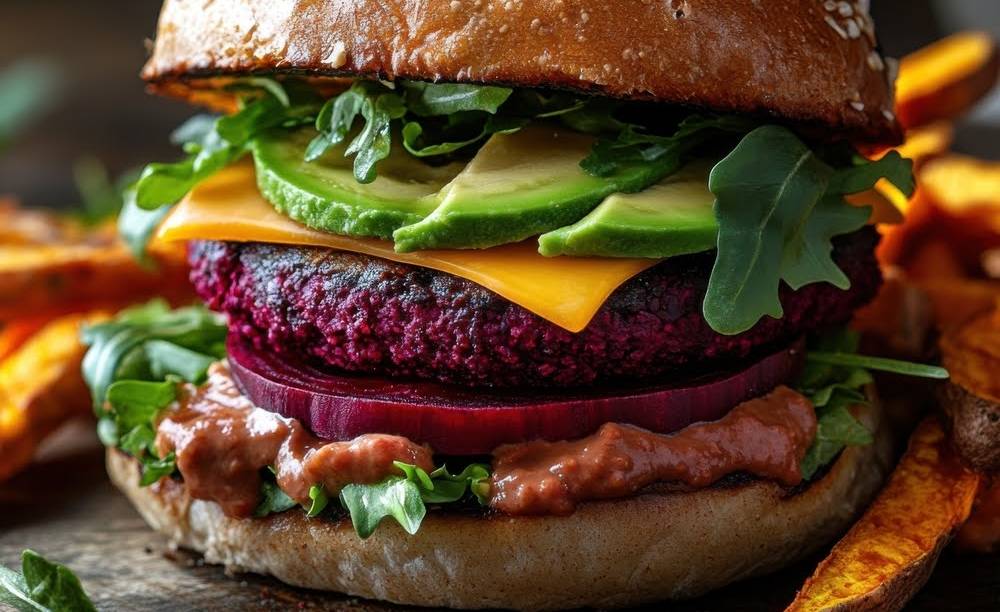
Not long ago, sustainability lived on the fringes of conversation, especially when it came to food. It was seen as important but often secondary to convenience, cost, or indulgence. Today, that hierarchy has flipped. Sustainability is no longer a “nice to have.” It’s a baseline expectation.
Consumers are paying closer attention to how their food is sourced, produced, and positioned within a broader environmental story. And at the same time, they’re making one thing very clear: choosing sustainable options should never mean sacrificing flavor.
Nowhere is this more evident than in the rapid evolution of plant-based foods. From quick-service menus to retail shelves, plant-based products are expected to deliver bold taste, satisfying texture, and crave-worthy appeal. That’s why innovation in this space demands a careful look at the interplay between plant-based ingredients and seasoning. The resulting flavor has the power to make sustainability feel exciting, accessible, and indulgent.
The Evolution of Plant-Based Proteins
Early plant-based innovation leaned heavily on familiar standbys like soy and wheat. These ingredients paved the way for alternative proteins, offering functionality, affordability, and nutritional value. But as consumer interest grew, so did expectations. Shoppers began looking for cleaner labels, greater variety, and ingredients that felt less processed and more naturally aligned with plant-forward eating.
This shift opened the door to a new generation of plant-based proteins. For example, pea protein emerged as a versatile and allergen-friendly option, offering neutral flavor potential and strong adaptability across formats. Fungi-based proteins also brought new textures and umami-forward characteristics, appealing to consumers seeking whole-food inspiration. Finally, ingredients derived from beans, lentils, chickpeas, and seeds added diversity, regional influence, and nutritional storytelling.
As protein sources diversify, the opportunity for creative flavor development expands right alongside them.
The Flavor Challenges of Plant-Based Formulations
While plant-based ingredients offer exciting possibilities, they also come with distinct flavor challenges. For example, any alternative proteins have inherent earthy, bitter, or grassy notes that can become more pronounced during processing. Others lack the natural richness and depth that consumers associate with traditional comfort foods.
These challenges are not dealbreakers, but they do require intention. The most successful meat-alternative products don’t hide their origins; they elevate them. That means understanding how base ingredients behave, how they interact with seasonings, and how cooking methods influence final flavor.
There’s also the matter of balance. Plant-based foods often walk a fine line between being perceived as “healthy” and being truly enjoyable. If flavor profiles skew too neutral, products risk feeling bland or incomplete. If they’re overly aggressive, they can feel artificial. Therefore, thoughtful flavor development ensures plant-based products feel cohesive, deliberate, and satisfying.
Addressing the Debate Around Processing & SustainabilityThere’s an ongoing debate around the sustainability of plant-based meat alternatives — particularly the argument that these products require “too much processing” or rely on layers of masking flavors to cover up the natural off-notes of certain plant proteins. Critics point to this as evidence that plant-based foods aren’t truly sustainable.
It’s a valid concern, but it’s also an oversimplification.
Sustainability doesn’t hinge on processing alone. It’s determined by the full environmental equation: land use, water impact, emissions, biodiversity footprint, ingredient efficiency, and overall resource demand. Even when processing is involved, many plant-based systems still outperform traditional animal proteins across these metrics.

What is true is that early generations of plant-based products often required heavier processing to mitigate bitterness, earthiness, or beany notes. But innovation has moved far beyond that. Newer plant proteins — from chickpea to sunflower to fava to lupin to minimally processed fungi — start with cleaner sensory profiles, reducing the need for artificial flavors or complex masking systems.
And here’s where flavor development plays a transformative role. When seasoning is built intentionally from the very beginning, it elevates the inherent qualities of the ingredient rather than forcing it to “imitate” animal protein. Thoughtful umami layers, natural aromatics, and pairing with plant-based fats reduce the need for overengineering. In other words, smart seasoning actually minimizes unnecessary processing.
Not all processing is negative. Washing, chopping, fermenting, dehydrating, and texturizing are all forms of processing — many of which make food safer, more stable, and more accessible. For plant-based products, processing simply plays the role that animal biology naturally provides: structure, cohesion, and a way to release flavor over time.
When done intentionally, processing becomes a tool for sustainability — not a contradiction of it. And seasoning is the key to making those ingredients feel indulgent, exciting, and modern rather than engineered.
Consumer Expectations for Taste, Texture, and Satisfaction
Modern consumers approach plant-based eating with high standards — and a healthy dose of skepticism. Many have tried early versions of alternative products and remember disappointments in taste or texture. As a result, they’re no longer impressed by the label alone. They demand that their plant-based options perform just as well as their traditional counterparts. Because of this, food developers must look at three pillars: taste, texture, and satisfaction.
Taste
No amount of sustainability messaging can overcome a lackluster eating experience. Whether it’s an Asian-inspired ginger-soy glaze or a smoky, Tex-Mex brisket rub, the flavor must be authentic and punchy.
Texture
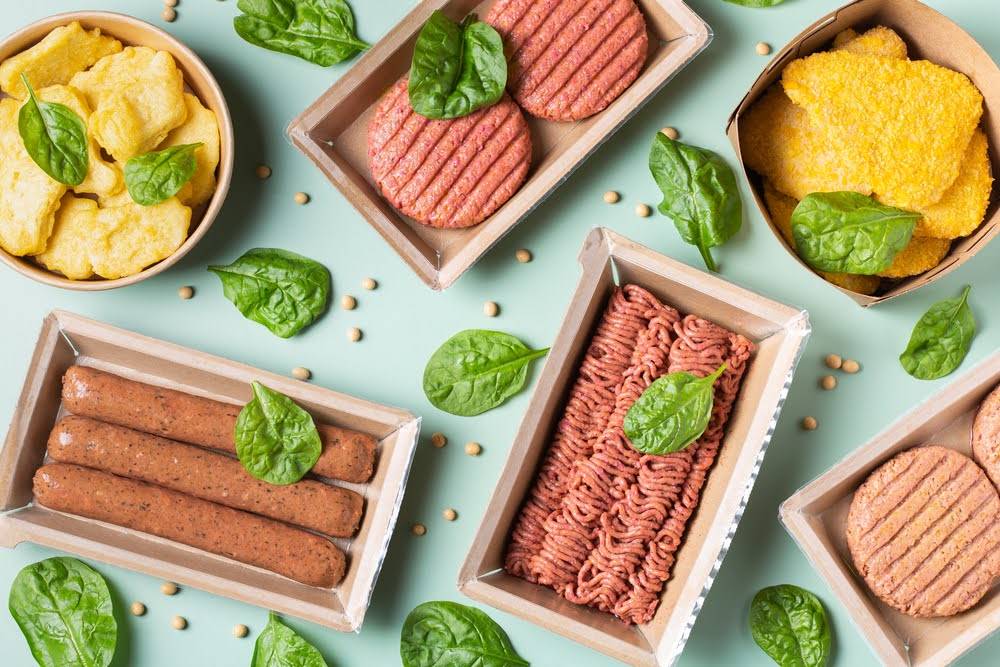
Texture follows closely behind, especially for products designed to mimic familiar formats like burgers, sausages, or deli-style items. Consumers want bite, juiciness, and structure, not something that crumbles or feels overly processed.
Satisfaction
Plant-based foods must feel complete. They should leave consumers feeling full, comforted, and eager to return. Flavor plays a critical role here, building layers that evolve with each bite and create a sense of indulgence rather than compromise.
Using Seasoning to Build Depth in Plant-Based Products
Seasoning is where plant-based innovation truly comes to life. Without the natural fats and savory compounds found in animal proteins, plant-based formulations rely heavily on seasoning to create complexity and emotional resonance.
Here are a few ways to build depth in sustainably-sourced plant-based foods:
- Natural Umami Boosters: Leverage yeast extracts, fermented vegetable powders, and mushroom concentrates to create a savory foundation that mimics the depth of animal proteins.
- Vegan Fat Systems: Fat carries flavor, so develop seasoning blends that work in tandem with plant-based fats (like coconut or sunflower oils) to ensure that the flavor is released slowly, just like it is in traditional meat.
- Smoke and Char: Using natural wood smoke powders and grill flavors can trick the brain into perceiving a meat-like experience, even in a vegetable-forward dish.
- Global Inspiration: By utilizing authentic regional spices — think Gochugaru for heat or Za’atar for earthy complexity — you can move the conversation away from “what’s missing” and toward “what’s new and exciting.”
When seasoning is thoughtfully integrated early in product development, it ensures flavor consistency, scalability, and a more seamless consumer experience.
Functional Ingredients That Support Flavor & Texture
While seasoning drives the sensory experience, functional ingredients play a critical supporting role in how flavor is ultimately delivered in plant-based products. These ingredients don’t just improve structure — they help carry, release, and stabilize flavor so every bite feels intentional.
Binders & Fibers
Ingredients like methylcellulose, citrus fiber, and oat fiber help maintain moisture and structure, giving seasonings something to cling to. This ensures consistent flavor distribution throughout the entire bite rather than pockets of intensity.
Plant-Based Fat Systems
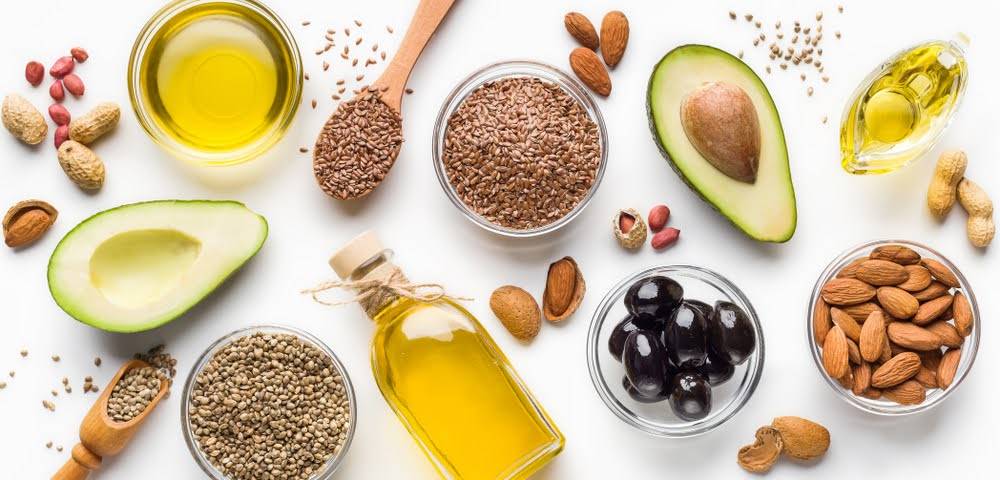
Coconut, sunflower, algae, and seed-based oils act as flavor carriers, mimicking the slow-release richness found in animal fats. They help top notes bloom, boost mouthfeel, and add depth without overwhelming the base protein.
Starches & Hydrocolloids
Potato starch, tapioca starch, and hydrocolloids such as carrageenan or konjac can improve juiciness and enhance the way flavors unfold over time. They help build a satisfying texture that amplifies seasoning performance.
Acids & Fermented Components
Ingredients like lactic acid, vinegar powders, fermented vegetable powders, and koji extract brighten flavor, reduce bitterness, and reinforce overall balance — all critical in plant-based systems where subtle off-notes need careful management.
Umami Builders
Yeast extracts, tomato concentrates, mushroom powders, and seaweed-derived components strengthen the savory backbone of plant-based products, helping them feel more indulgent and complete.
Together, these functional ingredients act as the hidden architecture that supports flavor, enabling plant-based foods to taste more dynamic, cohesive, and craveable.
Making Sustainable Choices Feel Indulgent
If we want the world to eat more plants, we have to make the plant-based choice the most delicious choice on the menu. In fact, consumers don’t want to be reminded of what they’re giving up. They want to be invited into something new, exciting, and delicious.
By focusing on clean-label ingredients and avoiding artificial additives while maximizing natural flavor, you allow consumers to feel good about what they are eating from both an environmental and a health perspective. This guilt-free indulgence is the holy grail of food marketing in 2026.
Flavor is what makes consumers choose plant-based options not just once, but repeatedly. By leaning into craveability, brands can meet environmental goals while still delivering on emotional and sensory expectations.
The Future of Sustainable Eating Starts With Flavor
As plant-based innovation continues to evolve, one truth remains constant: flavor will always lead. Sustainable eating doesn’t succeed on values alone; it succeeds when it tastes incredible.
Smart flavor development turns emerging ingredients into memorable experiences and helps plant-based products earn a permanent place on consumers’ plates. For brands looking to push plant-based concepts further, NuSpice is here to bring bold, thoughtful flavor to the next generation of plant-based products. To learn how to make sustainable ideas become craveable realities, contact our team today!