
Nostalgia doesn’t whisper — it bites, crunches, slurps, melts, sings, glitches, and sometimes even dies dramatically on a tiny, pixelated screen you were absolutely convinced you could keep alive forever.
For me, nostalgia tastes like being on a family trip to Long Beach Island, sunburned in that “I know this is going to peel later but the ocean was worth it” way, gripping an electric-blue Squeeze-it that turned my entire mouth a shade of blue not found in nature. It tastes like Dunkaroos finally reappearing on grocery shelves — only for me to realize (with genuine heartbreak) that they were never as good as my memory insisted. It tastes like the Lipton “Sick Soup” my mom only bought when someone was under the weather — nutritionally questionable, emotionally perfect — which I still buy every time I feel a sniffle coming on.
And honestly? It tastes a lot like Lunchables — the holy grail of cafeteria flex culture — which I proudly still buy to this day. There’s something deeply comforting about seeing them reinvented for adults, like the universe finally admitting that processed cheese squares were always, in fact, elite cuisine. And now we’ve got their grown-up cousins: Hillshire’s small-batch snack packs, Olli’s Genoa and Fontina little charcuterie boards, and a whole lineup of elevated, “I pay taxes now” Lunchables that magically appear in every airport cooler. I’m the first to grab one when I’m catching a flight — partly because they’re convenient, partly because they’re delicious, but mostly because nothing centers me quite like assembling a tiny cracker-and-cheese stack at 30,000 feet. Some habits just follow you into adulthood.
And it sounds like the very first Spice Girls album dropping. I remember standing on the schoolyard — before we had phones, before we had scrolling, when our imaginations were the only algorithm we knew — and my friends and I would argue over who got to be Baby, Posh, Sporty, Scary, or Ginger. We swapped identities weekly with the commitment of tiny method actors. Little did I know that decades later, I’d become The Spice Girl… just in a more literal, more seasoned way.
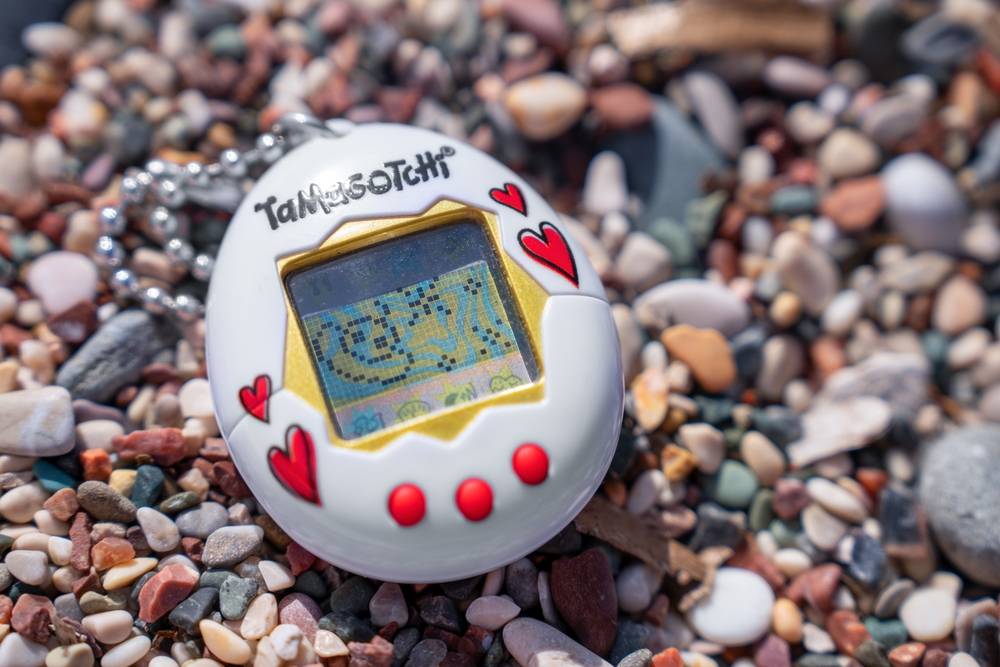
Somewhere in the swirl of those early memories is the Tamagotchi I accidentally (and repeatedly) killed. A formative experience, clearly, because every time I see a Labubu figure today with its big eyes and slightly chaotic energy, I’m instantly thrown back to that moment. It’s funny how certain things — toys, snacks, sounds, colors — are emotionally coded into us. They live there forever.
And that’s the thing about nostalgia: it loops, it reinvents itself, and it shows up in unexpected places — sometimes in a childhood snack, sometimes in a global food trend, and sometimes in an entire career that revolves around flavor, storytelling, and sensory memory.
And today? Nostalgia is becoming one of the most powerful forces shaping modern food culture.
Why Nostalgia Is Having a Main Character Moment
We’re living in an age where food is more than sustenance — it’s emotional regulation, identity, creativity, storytelling, and connection. In a world that’s constantly shifting, nostalgic flavors offer a moment of grounding. They remind us of who we were before we were busy, tired, overwhelmed, and overly online.
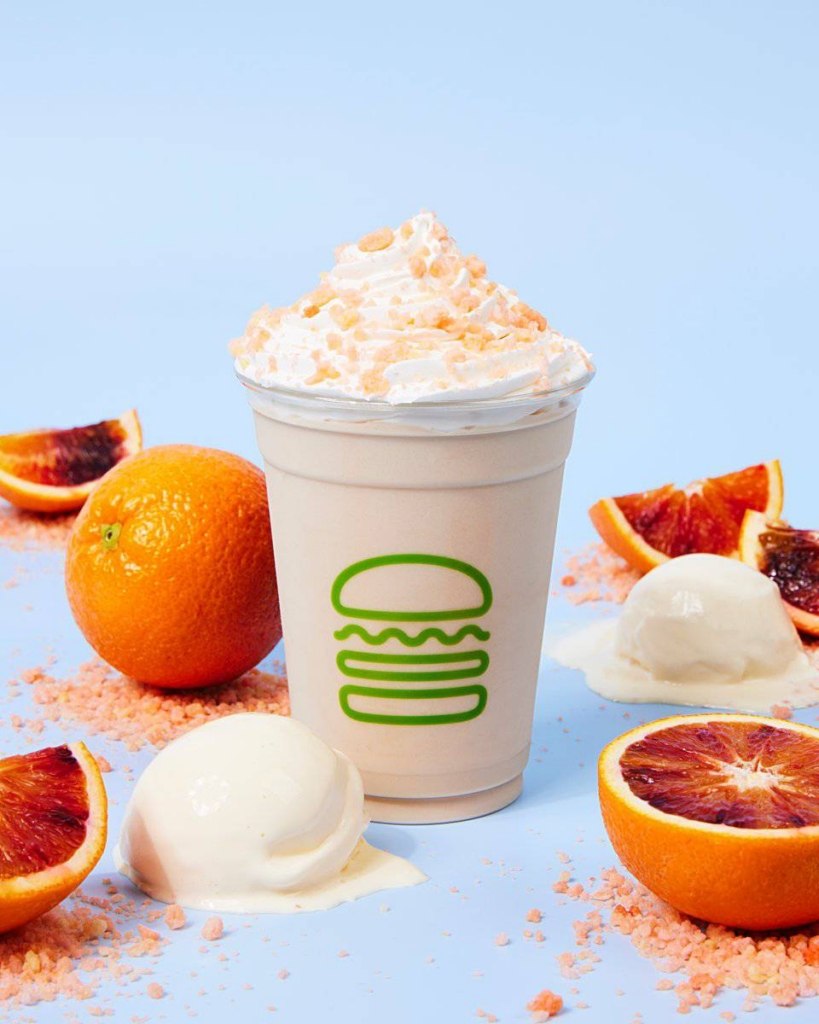
It’s not surprising that nostalgia has become a driving force across menus and product launches. Jeni’s released an Everything Bagel ice cream. Dunkaroos crawled out of the vault. Oreo brought back Cotton Candy. Shake Shack leaned into Dreamsicle shakes. Magnolia Bakery keeps reinventing its iconic banana pudding. Momofuku launched chili crunch and started a movement. Even Sweetgreen has a “Crouton Comeback Bowl.”
We’re watching an entire industry collectively reach for comfort.
Part of it is emotional — but part of it is cultural. Nearly one in four Americans is an immigrant or first-generation, which means “nostalgia” looks very different depending on where your family came from. For some, nostalgia is a Lunchable or a Pop-Tart. For others, it’s chili crisp spooned over rice, the tang of preserved lemon, a grandmother’s hand-ground spice blend, or the deep, round heat of sambal.
Nostalgia is personal. It’s cultural. It’s generational. And it’s expanding.
As José Andrés says, “Food is memories.” And memories are powerful currency.
How Nostalgia Shows Up in Modern Eating
One of my favorite parts of watching this trend evolve is seeing how nostalgia slips into places you wouldn’t expect.

Sometimes it’s flavor — the cinnamon toast moment, the birthday-cake-everything takeover, the return of classic soda shop profiles. But often it’s texture. Some of the strongest nostalgic triggers aren’t about what something tastes like, but how it feels:
That loud kettle-chip crunch.
The gooey pull of a grilled cheese.
The chewy bounce of mochi.
The crisp edge of a cookie.
The syrupy drip of soft-serve on a hot day.
The crackle you hear when oil hits a hot pan.
Texture holds memory differently. It’s visceral. It’s immediate. You don’t think — you feel.
And heat is becoming one of the most interesting nostalgia carriers. Not the “let me prove my masculinity by sweating through lunch” heat, but layered, aromatic, emotional heat — the kind found in chili crisp, gochujang, and all the sauces that are as comforting as they are exciting. As David Chang puts it, “Sometimes the most modern thing you can do is go back to the flavor that raised you.” It’s giving warmth, depth, complexity, identity.
The Psychology of Why We Crave It
There’s science behind all of this, too.
Smell and taste go straight to the hippocampus — the part of the brain responsible for memory. Nostalgic foods trigger dopamine, the neurotransmitter responsible for pleasure and emotional reward. They also reduce cognitive load because you don’t have to think about them; you already know how they’ll taste before they hit your tongue.
Nostalgia simplifies the world for a moment. And who doesn’t want that right now?
So What Does This Mean for Food Creators?
If you develop food — whether you’re in CPG, culinary, QSR, or innovation — nostalgia isn’t about copying the past. It’s about reimagining it.
The magic tends to happen when:
- something familiar meets something new,
- a comforting memory gets a global twist,
- a childhood flavor shows up in a grown-up format, or
- a culturally specific nostalgic taste becomes mainstream.
PS: Nostalgia isn’t one-size-fits-all — and the brands who understand that are winning.
Looking Ahead

Nostalgia isn’t a regression. It’s a return — to joy, to belonging, to identity, to flavor memories that shaped us before we even knew what flavor was.
For me, nostalgia is a blue Squeeze-it on a beach. It’s a bowl of “Sick Soup” when I need comfort. It’s the Spice Girls blasting from a CD player. It’s a Tamagotchi tragedy that lives in my heart. It’s the way chili crisp crackles on a pan and makes me feel something warm and complicated and familiar.
And it’s no accident that a girl who once fought to be Baby or Posh on the playground grew up to become The Spice Girl in a world of food.
Some stories start earlier than we realize.
And flavor has a funny way of bringing them full circle.

Jessica