
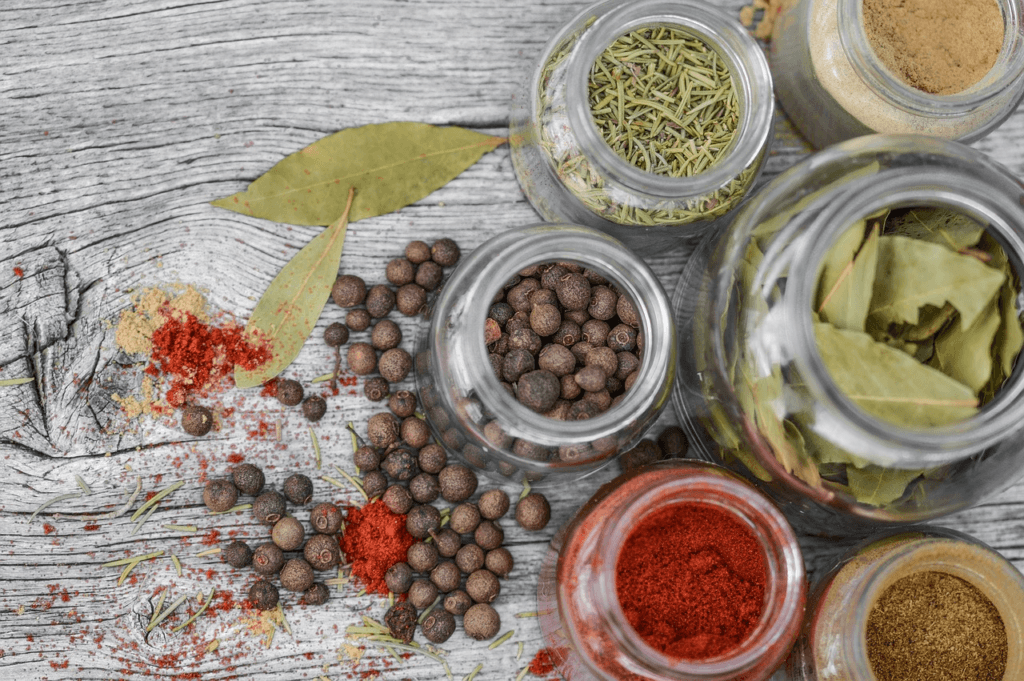
A seasoning blend might make up only a small percentage of a finished product, but it can determine whether that product qualifies for certification. One non-compliant carrier, flavor, or processing aid in a blend can keep a snack from carrying a kosher symbol, block a Halal claim, or disqualify an organic label.
That’s why certifications matter so much to product developers, purchasing teams, and QA managers. Retailers, food service operators, and consumers increasingly expect certified products, and many buyers won’t consider a supplier without the right documentation. But each certification means something different, covers different parts of the process, and places different demands on how a seasoning is formulated.
Here’s what kosher, Halal, organic, and SQF certifications actually cover, how they affect seasoning development, and why it pays to define them at the very start of a project.
Kosher Certifications
Kosher refers to foods that meet Jewish dietary laws, known as kashrut, which establish what foods can be consumed and how they must be prepared and handled. These laws include restrictions on certain animal-derived ingredients, prohibit mixing meat and dairy, and establish requirements for food processing and equipment.
Kosher certification verifies that ingredients, processing methods, and equipment comply with these requirements, as overseen by a recognized certifying agency such as the Orthodox Union (OU), NuSpice’s kosher certification agency. In addition to our OU certification, we regularly work with other kosher supervising bodies, including the cRc, KOF-K, Star-K, and others, to accommodate our customers’ specific certification requirements.
What kosher certification covers
For seasonings, kosher certification looks at every ingredient in the blend, down to carriers, flavors, and processing aids, along with how and where the blend is made. Kosher certifications also come with designations that matter to your finished product. NuSpice is certified for all three of the following:
- Pareve: Contains no meat or dairy, so it can be used in a wider range of products, including meat applications.
- Dairy: Contains dairy ingredients or is made on dairy equipment, which limits where the seasoning can be used.
- Passover: Meets additional requirements for use during Passover, which restrict many common grains and other ingredients.
Why the designation matters
A cheese-flavored seasoning designated dairy can’t be used in a kosher meat product. If a brand plans to sell both a beef jerky and a cheese snack under kosher certification, each seasoning needs to be developed with the right designation in mind.
Halal Certifications
Halal, an Arabic word meaning “permissible,” refers to foods and ingredients that comply with Islamic dietary laws. These laws prohibit certain ingredients, including pork and its derivatives, and establish requirements for how animal-derived ingredients are sourced, processed, and handled. Alcohol is also restricted under Halal dietary guidelines.
Halal certification verifies that a product’s ingredients and manufacturing processes meet these requirements, as overseen by a recognized Halal certifying body.
What Halal certification looks at
Halal seasoning certifications go beyond the ingredient statement. Developers may need to know where an ingredient came from and how it was made. Areas that often need attention include:
- Animal-derived ingredients: Meat flavors, fats, enzymes, and some dairy-derived ingredients may need review of their source.
- Alcohol: Some flavors and extracts use alcohol during production, which can affect Halal status depending on the certifier’s standards.
- Processing aids and carriers: Minor components inside compound ingredients still count.
Organic Seasoning Formulations
Organic refers to foods and ingredients produced using agricultural practices that emphasize natural processes, soil health, and biodiversity while restricting the use of synthetic fertilizers, pesticides, genetically modified organisms (GMOs), and certain other substances.
Organic certification in the United States is governed by the USDA National Organic Program (NOP), which establishes standards for how agricultural ingredients are grown, processed, and handled. For seasoning manufacturers, this means ensuring that not only the spices and herbs, but also carriers, flavors, processing aids, and manufacturing practices meet applicable organic requirements.
Organic claims come in tiers
The label claim a brand wants determines how much of the formula must be organic:
- “100% Organic”: All ingredients must be certified organic.
- “Organic”: At least 95% organic ingredients, with the remainder from an approved list.
- “Made with Organic Ingredients”: At least 70% organic ingredients.
Formulation tradeoffs
Organic seasoning formulations require more than organic spices. Carriers, flow agents, flavors, and processing aids all need to meet organic rules, which narrows the options for ingredients that control caking or deliver specific flavor notes. Organic ingredients must also be kept separate from conventional ones throughout handling and production, with documentation to prove it. Supply and cost can be tighter, too, so sourcing should be part of early planning.
SQF and Food Safety Certification
Unlike kosher, Halal, and organic certifications, SQF certification isn’t about specific dietary requirements or ingredient claims. It’s about ensuring that food is manufactured in a safe, controlled, and consistent environment.
SQF, which stands for Safe Quality Food, is an internationally recognized food safety certification program designed to help manufacturers identify, manage, and prevent food safety risks throughout production. The program establishes rigorous standards for food safety management, providing retailers, foodservice operators, and consumers with greater confidence in the safety of the products they purchase.
What SQF certification means
SQF Food Safety certification is benchmarked by the Global Food Safety Initiative (GFSI) and evaluates a manufacturer’s food safety management systems, including hazard analysis, sanitation, supplier approval, allergen controls, traceability, and recall readiness. Many major retailers and foodservice buyers require GFSI-benchmarked certification from their suppliers.
Why it matters for your product
A seasoning from an SQF-certified facility comes with documented food safety controls behind every batch. That helps reduce risk for the brands using it and can streamline supplier approval, since many of the food safety controls and documentation buyers require are already established. It’s also a separate requirement from the others: a facility can be SQF certified without being Halal certified, and a kosher product still needs a sound food safety program.
Meeting Multiple Certifications at Once
Many products need more than one certification, and each one adds constraints. The overlap is where formulation gets challenging.
Define requirements up front
The most important step is identifying every certification and claim the finished product needs before development begins. Introducing certification requirements after a seasoning has already been developed can mean reformulating an approved flavor, sourcing alternative ingredients, repeating testing, and potentially delaying a product launch.
Working with a seasoning manufacturer experienced in multiple certifications helps streamline this process. By evaluating ingredient compliance, availability, and processing requirements early, R&D teams can develop formulations that meet both regulatory and customer expectations from the start.
Example: one snack, four requirements
Consider a snack brand launching an organic tortilla chip that needs to be kosher pareve, Halal certified, and produced by an SQF-certified supplier for a national retailer.
Creating a cheese-flavored seasoning without dairy is only the beginning. Every ingredient, including flavors, carriers, and processing aids, must be evaluated against the applicable organic, kosher, and Halal requirements. The manufacturer must also maintain the appropriate food safety controls, documentation, and traceability to satisfy the retailer’s supplier approval process.
The goal isn’t simply to achieve multiple certifications. It’s to deliver a seasoning that meets those requirements while maintaining the flavor, performance, and consistency consumers expect.
Frequently Asked Questions
Does a kosher seasoning automatically qualify as Halal?
No. Kosher and Halal are separate certifications with different requirements. A kosher ingredient may still need separate review for Halal compliance.
What’s the difference between organic and SQF certification?
Organic certification covers how ingredients are produced and handled and which substances can be used. SQF certification covers a manufacturer’s food safety and quality management systems.
Can one seasoning blend meet several certifications?
Yes, as long as every certification is defined at the start of development and the supplier holds the right certifications and documentation.
Build Certified Seasonings With NuSpice
Seasoning certifications protect your product’s claims, open doors with retailers, and give consumers confidence in what they’re buying. Getting them right starts with a partner who understands how each certification shapes formulation, sourcing, and documentation.
NuSpice holds OU Kosher certification (Dairy, Pareve, and Passover), Halal certification, Organic and Non-GMO certifications, and SQF Level 2 certification, with QA and QC labs supporting every blend. Our R&D team works alongside yours to develop custom seasonings that meet every requirement your product needs, from the first sample to full-scale production.
Ready to build a seasoning that checks every box? Contact the NuSpice R&D team to request a sample or start your next certified project today.