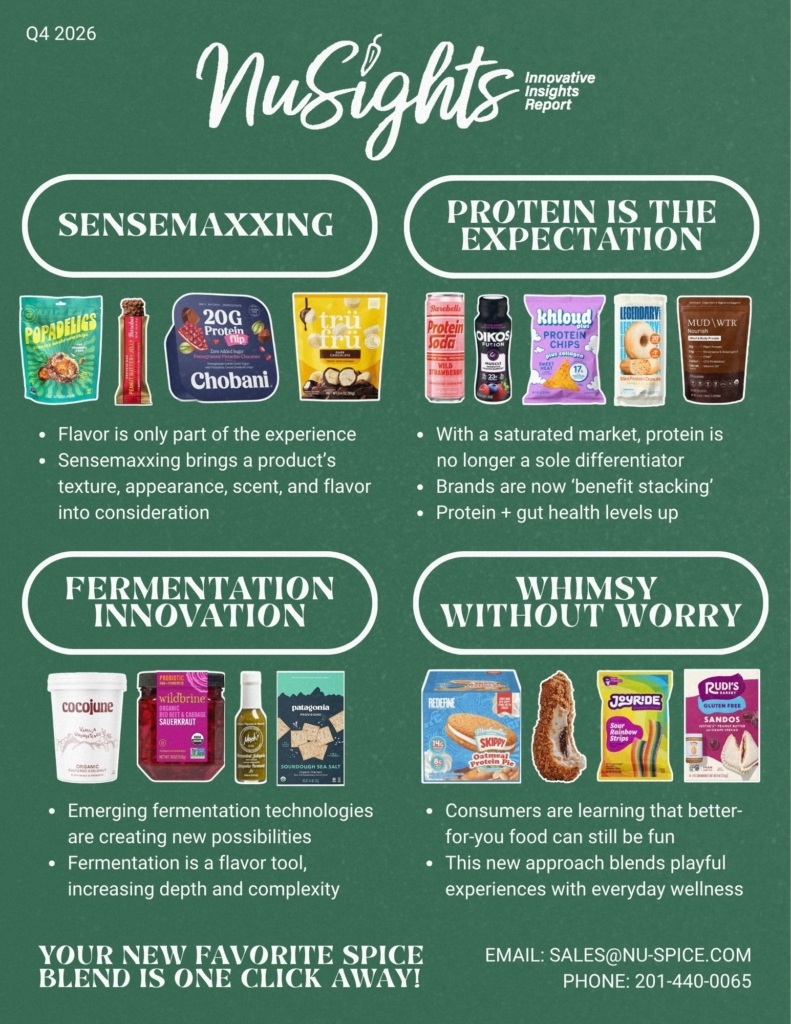
In looking back at the past year, one insight stands out from the rest: consumers are expecting more from their food.
Texture, functionality, and a little bit of fun are becoming increasingly important in product innovation, giving brands new ways to connect with customers.
Here’s what caught our attention this quarter.
Sensemaxxing
Flavor has always been at the heart of food innovation, but it’s only one part of the overall consumer experience
Consumers have come to expect delicious flavor and are now looking to explore products that engage multiple senses. FoodNavigator recently coined the term ‘sensemaxxing,’ a trend centered on maximizing sensory experiences through texture, appearance, and flavor. The concept reflects a growing appetite for products that offer more than just a familiar taste.
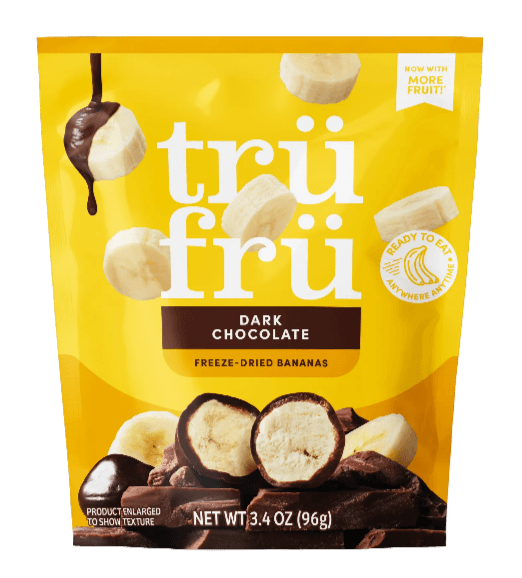
From unexpected crunch to vibrant colors to surprising flavor combinations, brands are seeing new opportunities to capture attention and create memorable experiences through the way a product looks, smells, tastes, and feels. Think: Crispy coatings paired with creamy centers, sweet-and-spicy seasonings that delivery layers of flavor, or familiar snack formats reimagined with unexpected textures.
For manufacturers, the opportunity extends beyond developing entirely new products. A small sensory innovation can breathe new life into an existing favorite.
Protein Is the Expectation, Not the Differentiator
Throughout this year, protein has remained a mainstay in every grocery store aisle, but its role in food innovation is changing.
After years of protein-focused product launches, high-protein claims have become commonplace. From protein soda to protein donuts, protein has found its way into nearly every category.
While consumer demand remains strong, simply adding protein is no longer enough to differentiate your product.
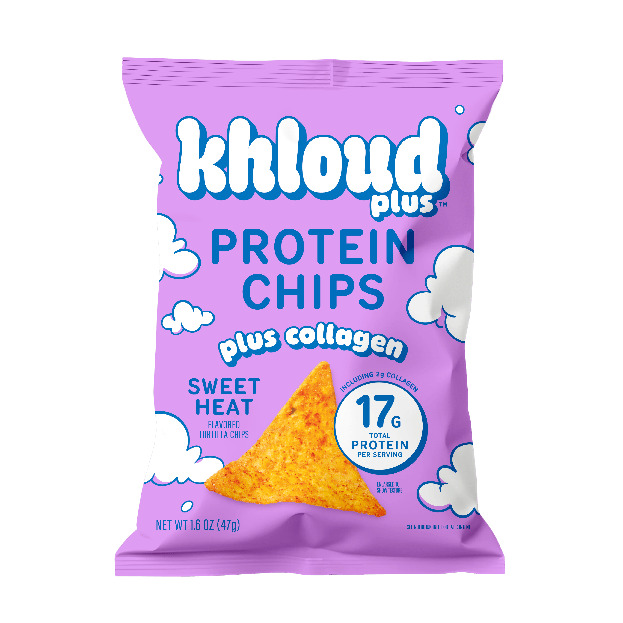
Instead, brands are exploring a concept known as “benefit stacking,” combining protein with additional functional attributes to deliver more value in a single product. We’re seeing opportunities emerge at the intersection of protein and gut health, hydration, mood support, indulgence, and more. Rather than focusing on a single nutritional claim, manufacturers are developing products that address multiple consumer priorities at once.
The next chapter of protein innovation isn’t just about adding more- it’s creating a product that meets all of consumers’ needs.
Fermentation Breeds New Innovation
Fermentation has been shaping the way we eat for centuries, but its role in modern food development is expanding beyond traditional applications.

Fermented food and drinks like miso, yogurt, and kombucha have long been valued for their distinctive flavors. However, emerging fermentation technologies are creating new and unique possibilities for food and beverage manufacturers.
Today, fermentation is being explored as a tool for flavor development, helping create depth, complexity, and savory rich flavor in ways that extend beyond conventional ingredients.
One of the most compelling opportunities lies in its ability to enhance flavor without relying on added sugar or sodium. Fermentation-derived ingredients can add umami, acidity, and other complex flavor notes that help build more satisfying experiences. As manufacturers look for ways to balance nutritional priorities with consumer expectations for flavor, these ingredients offer another avenue for innovation.
We’re also watching fermentation move into new applications, from savory snacks and sauces to plant-based foods, co-fermented coffee, and seasoning systems. Its versatility allows manufacturers to experiment with layered flavor profiles while exploring new approaches to formulation.
Whimsy Without the Worry
Better-for-you isn’t going away, and consumers are realizing that healthy eating doesn’t have to be serious all the time.
After years of prioritizing functionality, clean labels, and nutritional benefits, there’s a growing appetite for products that bring a little fun back into food. This new approach to indulgence blends playful experiences with everyday wellness priorities.

Consumers still want products that align with their health goals, but they’re looking for moments of joy, nostalgia, and discovery. Whether it’s a novelty ice cream, a bubblegum beverage, or a better-for-you version of a childhood favorite, brands are finding ways to make indulgence feel guilt-free. This shift is creating opportunities for playful product development across categories.
The appeal lies in finding the right balance. A snack can offer functional benefits while still tasting indulgent. The takeaway brings a new twist to a simple truth: enjoyment remains a powerful driver of consumer choice.
As we look toward 2027, we’re watching brands embrace products that feel less restrictive and more rewarding, proving that better-for-you and just-for-fun don’t have to be mutually exclusive.
The NuSpice Takeaway
Although these trends approach innovation from different angles, the underlying theme is apparent: consumers want more meaningful experiences from the foods they choose.
Whether it’s the excitement of an unexpected texture, the convenience of multiple functional benefits, the complexity of fermentation driven flavors, or the simple joy of a playful indulgence, today’s products are being asked to deliver on more than one level.
At NuSpice, we believe spice is one of the most powerful tools for turning emerging trends into successful products. By understanding how consumer expectations are evolving, we’re able to help our partners explore new flavor possibilities, revamp familiar applications, and develop products that balance innovation with everyday appeal.
For manufacturers, the challenge is finding ways to bring these new elements together without losing sight of what matters most, creating foods that people enjoy eating.