

Every November, gravy becomes the most scrutinized sauce in America. It’s ladled over turkey, mashed potatoes, and stuffing at Thanksgiving tables across the country, and served by the gallon in restaurants, cafeterias, and catered events all season long. It’s also the first thing guests notice when it goes wrong: lumpy, thin, gluey or bland.
For a majority of those meals, the gravy starts as a dry mix. A home cook juggling a turkey and four sides, a line cook holding gravy on a buffet for hours, and a caterer making it in 20-gallon batches all expect the same smooth, flavorful result.
That consistency is built long before the holiday. The gravy on tables this Thanksgiving was formulated, tested, and produced months ago, and brands planning next year’s holiday lineup are starting development now. Here’s what a dry sauce mix manufacturer focuses on to make sure a gravy or sauce mix performs when it matters most.
The Thickening System: Getting Holiday Gravy’s Body Right
The thickener decides how fast a gravy thickens, how much body it has, and whether it stays that way from the first plate to the last. Starch selection starts with how the mix will be prepared:
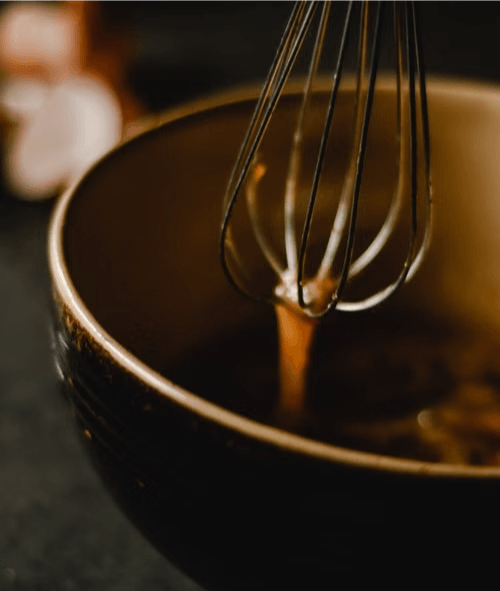
- Cook-up starches swell when simmered, giving the classic body of a stovetop gravy made with drippings or stock.
- Pregelatinized (instant) starches thicken in hot liquid without simmering, ideal for “just add water” products.
- Modified starches tolerate extended holding, high heat, acidity, and reheating, which matters when gravy sits on a steam table or gets reheated the day after Thanksgiving.
Many mixes combine them: an instant starch for fast body and a cook-up starch to build the final texture. Small amounts of gums like xanthan or guar can help suspend herbs and stabilize viscosity, though too much turns a gravy slimy.
Example: A catering gravy mix held hot through a three-hour holiday buffet needs a starch system that won’t thin out or turn gluey. Pairing a cook-up base with a modified starch built for holding keeps the last serving as good as the first.
Preventing Lumps When the Kitchen Is at Its Busiest
Lumps form when starch hits hot liquid and gelatinizes on the outside before particles can separate, trapping dry powder inside a gel shell. On Thanksgiving, with every burner in use and attention divided, a mix needs to be forgiving.
Three approaches help:
- Carriers: Blending starch with fast-dispersing ingredients like salt, maltodextrin, or dairy powders keeps starch particles apart so each hydrates on its own.
- Fat coating: A small amount of fat plated onto the blend slows water uptake just enough for the powder to disperse before it swells.
- Agglomeration: Clustering fine particles into porous granules helps the mix sink and wet evenly instead of floating and clumping.
Clear instructions matter too. Testing a mix the way real cooks make it, not just under ideal lab conditions, shows where it needs more tolerance.
Example: A retail turkey gravy packet that says “whisk into boiling drippings” will often get dumped in all at once. A fat-coated, well-dispersed blend still turns out smooth.
Flavor That Survives the Simmer (and the Drippings)
A gravy mix that tastes great on a tasting spoon can fall flat once it’s diluted, simmered, and thickened. Flavor has to be designed for the finished sauce, not the powder.
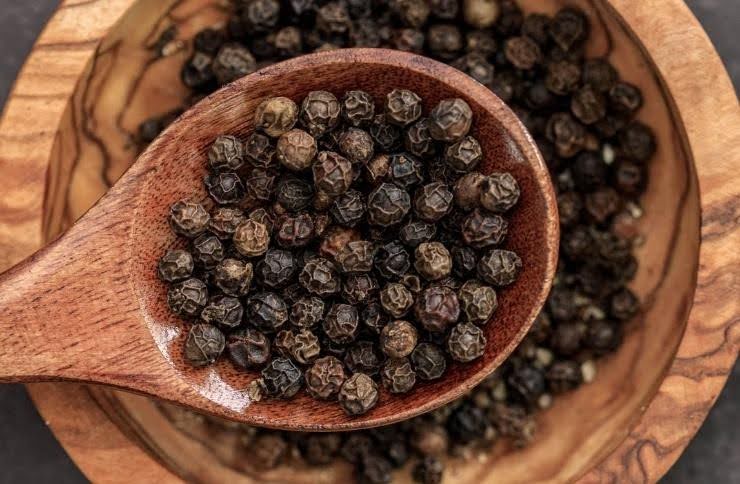
Most savory gravies build on salt, savory ingredients like yeast extracts, bouillon, or roasted poultry flavors, and aromatics like onion and garlic. Holiday profiles then layer in signature notes such as sage, thyme, and black pepper. Delicate herbs lose intensity during simmering, while pepper and roasted notes carry through, so herb levels and forms need to account for cook time.
The liquid changes everything. A mix made with water, stock, or turkey drippings tastes noticeably different in each, and thicker sauces can release flavor more slowly, muting a profile that seemed balanced in a thin broth.
Example: A turkey gravy mix designed to be made with drippings can lean on them for salt and savory depth. A version made with water only needs that roasted, savory character built into the blend.
Beyond Turkey Gravy: Formulating for Every Holiday Channel
Thanksgiving demand reaches well past the classic brown gravy, and the same sauce can need a different formula depending on who makes it. Food service operators and QSRs running holiday menus, buffets, and seasonal LTOs need bulk packs, stable holding, and identical results across every location. Retail gravy packets and sauce mixes for home cooks need fast, lump-free hydration and simple instructions. Holiday meal kits and single-serve sides need pre-portioned packets that tolerate imprecise measuring.
Holiday tables are also more diverse than ever. Mushroom or vegetable gravies for plant-based guests, cheese sauces for casseroles, and Kosher or Halal-certified options all broaden a holiday lineup. Those requirements narrow the usable starches, dairy powders, and flavors, so they belong in the first development conversation.
Stability in the Bag: From Production to the Holiday Pantry
Seasonal mixes face a long road. They’re produced months before Thanksgiving, shipped and warehoused, and sometimes sit in a pantry until the following year. Three risks build over that time:
- Moisture and caking: Salt, sugars, maltodextrin, and some powders absorb moisture, causing clumps and slower dispersion. Low-moisture blends, flow agents, and protective packaging keep mixes free-flowing.
- Fat oxidation: Fats that help dispersion and richness can turn stale or rancid. Fat selection, antioxidants like rosemary extract, and oxygen-limiting packaging extend freshness.
- Separation: During shipping, heavier particles can settle away from lighter ones. Matching particle sizes keeps every portion of a bulk foodservice bag consistent.
Shelf-life testing under realistic storage conditions confirms the mix hydrates and tastes right at the end of its dating, not just the day it’s made.
What to Look for in a Dry Sauce Mix Manufacturer
When evaluating a dry sauce mix manufacturer for holiday or year-round products, ask:
- Will their R&D team develop around your preparation method, liquid base, and channel?
- Can they create an original gravy or match one you already sell?
- How do they test hydration, holding performance, and shelf life?
- Do they hold the certifications you need, such as SQF, organic, Kosher, or Halal?
- Can they package and scale production to meet seasonal timelines?
Frequently Asked Questions
Why does gravy mix turn lumpy?
Starch that hits hot liquid gelatinizes on the outside before particles separate, trapping dry powder inside. Carriers, fat coating, agglomeration, and clear instructions all reduce lumping.
When should brands start developing a Thanksgiving gravy mix?
Well ahead of the season. Development, sampling, approval, and production take months, so brands typically begin work on next year’s holiday products soon after this year’s season ends.
Can a manufacturer match a gravy mix I already sell?
Many can. A custom seasoning manufacturer can analyze an existing product and develop a matching formula, often while adjusting for cost, marketing claims, certifications or clean-label goals.
Start Planning Next Thanksgiving’s Gravy with NuSpice
A great gravy or sauce mix is a system: a thickener matched to the preparation, a blend that disperses cleanly, flavor designed for the finished sauce, and a formula that stays stable from production to the holiday table. When one piece is off, it shows up on the plate, on the one day of the year everyone is paying attention.
At NuSpice, our R&D team works alongside yours to develop custom dry sauce, gravy, and seasoning mixes and other food ingredient solutions built around how you’ll actually make and sell your product. We blend, package, and scale your mix with the support of our QA and QC labs and SQF Level 2-certified processes, plus Organic, Non-GMO, OU Kosher, and Halal certifications.
Ready to make next year’s holiday gravy your best yet? Contact the NuSpice R&D team to request a sample or start your project today.