
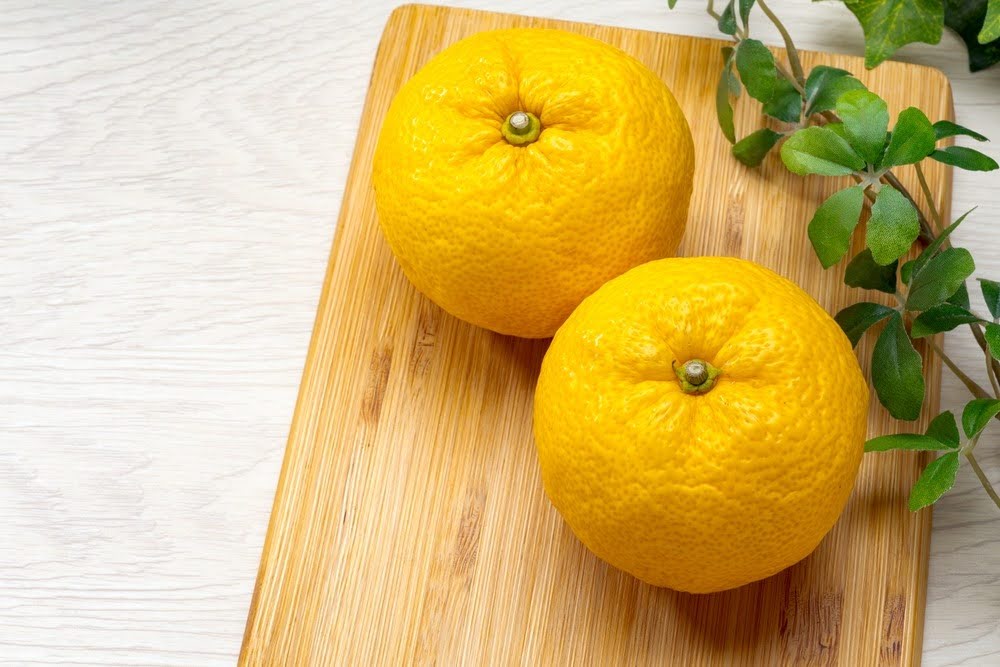
Citrus has always played an important role in creating dynamic flavor profiles, but today’s consumers are looking far beyond traditional lemon and lime. As global culinary influences continue shaping modern flavor preferences, shoppers are becoming increasingly adventurous with bright, complex citrus profiles that feel fresh, layered, and unexpected. From Japanese-inspired beverages to Mediterranean marinades and tropical snack seasonings, alternative citrus ingredients are helping brands create products that feel fresh and new.
Yuzu, sour orange, and grapefruit, in particular, are gaining attention because they deliver much more than acidity. They introduce floral aromatics, lingering bitterness, refreshing tartness, and sophisticated depth that can transform a product’s entire flavor experience.
For food developers, alternative citrus offers an opportunity to stand out in an increasingly crowded marketplace. When used thoughtfully, these flavors can elevate familiar products while creating memorable sensory experiences that encourage repeat purchases and consumer curiosity. Whether incorporated into dry seasonings, marinades, beverages, or confectionery applications, alternative citrus continues carving out a significant role in modern product development.
Why Alternative Citrus Is Trending in Food Development
Several major trends are fueling the rise of alternative citrus in food manufacturing:
Consumer Interest in Globally Inspired Flavors
As international cuisines become more mainstream, consumers are increasingly familiar with ingredients once considered niche or specialty items. Yuzu, for example, has moved from upscale restaurant menus into sparkling waters, sauces, candies, and snack seasonings.
A Desire for Dynamic, Layered Flavors
Traditional citrus still performs well, but alternative citrus introduces complexity that appeals to modern palates. For instance, grapefruit offers a pleasantly bitter edge that balances sweetness. Sour orange delivers tartness with earthy depth. And yuzu combines floral brightness with notes reminiscent of mandarin, grapefruit, and lime all at once.
Food developers are blending these citrus fruits with herbs, peppers, botanicals, florals, and savory elements to create multidimensional flavor systems that appeal to adventurous consumers while remaining approachable.
A Push for Seasonal Innovation
Limited-time offerings thrive on excitement and novelty, and alternative citrus helps brands create products that feel timely and elevated. Citrus-forward seasonal products often perform particularly well during spring and summer, though warm citrus-spice combinations are increasingly appearing in winter offerings as well.
And while yuzu may currently lead the conversation, other citrus varieties like calamansi, bergamot, pomelo, and finger lime are steadily making their way into beverages, sauces, snacks, and confectionery applications as brands search for flavors that feel both globally inspired and unexpected.
Many of these citrus profiles also deliver a cleaner, fresher perception that consumers increasingly associate with premium, globally inspired, and better-for-you products.
A Closer Look at the Flavor Profiles of Yuzu, Sour Orange, and Grapefruit
Each alternative citrus fruit brings its own unique sensory qualities to food development.
Yuzu
Yuzu has become one of the most talked-about citrus ingredients in modern flavor innovation, and for good reason. This small Japanese citrus fruit offers a flavor profile unlike anything else: tart and acidic like lemon, slightly sweet like mandarin, with distinct floral and herbal top notes that feel almost perfumed.
Its complex but not overpowering flavor makes it exceptionally adaptable. For example, yuzu can brighten a vinaigrette, add lift to a beverage, or bring a sophisticated finish to a confection. It pairs beautifully with ginger, chili, sesame, soy, honey, and tropical fruits. And its aroma is just as compelling as its taste, making it a particularly powerful ingredient in applications where the consumer’s sensory journey begins before the first bite or sip.
Sour Orange
The explosion of interest in Latin American and Caribbean cooking has put sour orange front and center, with its signature tangy bitterness adding authenticity to marinades, mojo sauces, and tropical-inspired drinks. Sour orange works particularly well with garlic, cumin, oregano, black pepper, coriander, and smoky chile flavors.
Food developers often use sour orange to introduce authentic regional flavor characteristics to foods while adding a refreshing acidic lift that keeps savory products from feeling too heavy.
Grapefruit
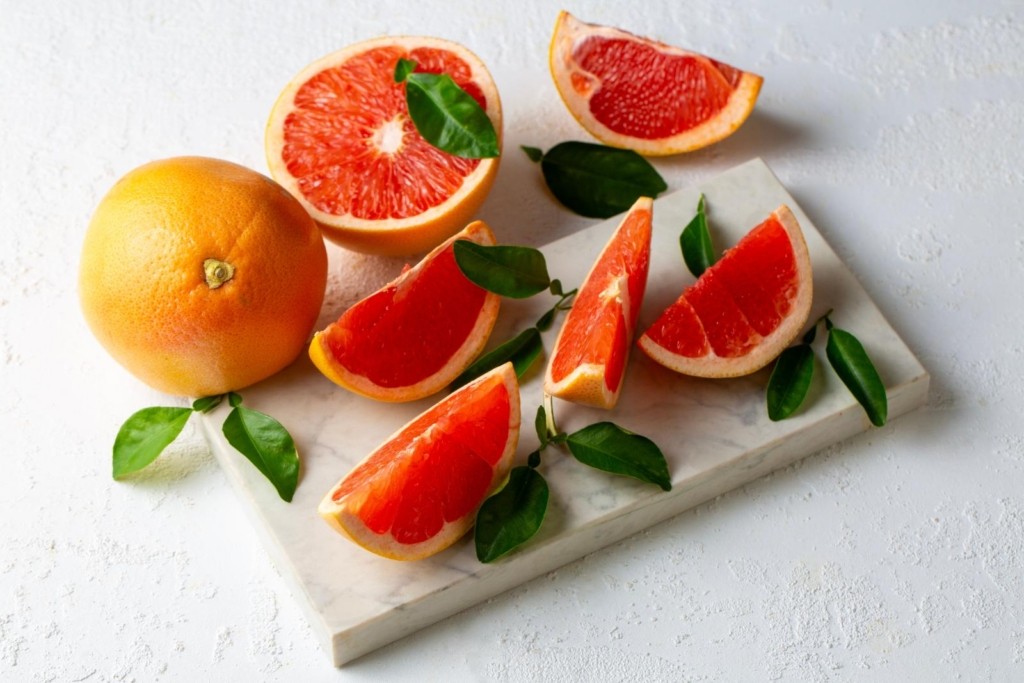
Grapefruit, long beloved as a breakfast staple, is experiencing its own reinvention. Its natural bitter-sweet profile is a perfect match for the growing demand for sophisticated, adult-oriented flavors across beverages, snacks, and condiments.
Grapefruit brings a clean, cooling quality that pairs surprisingly well with heat and spice, making it a smart addition to spice blends, marinades, and glazes where contrast is the goal. Pink and ruby red varieties also carry an appealing sweetness that softens the bitter edge and broadens the ingredient’s appeal.
Emerging Citrus Varieties Continue Expanding the Category
Beyond yuzu and grapefruit, other citrus varieties are also beginning to gain traction across modern food and beverage development. Calamansi is increasingly appearing in sparkling beverages, tropical marinades, and swicy sauces because of its bright tartness and subtle sweetness. Bergamot is moving beyond tea into confectionery, cocktails, and functional beverages, while finger lime is showing up in premium seafood dishes, sauces, and beverage garnishes because of its unique “citrus caviar” texture and visual appeal.
Citrus is also increasingly being paired with smoke, fermented heat, black pepper, and botanical flavors to create more layered savory systems. Grapefruit and black pepper are appearing together in beverage and seasoning applications, while yuzu is being combined with charred, smoky, and chile-forward profiles to balance richness with brightness. These unexpected combinations help products feel more modern while delivering the contrast consumers increasingly gravitate toward.
Where Alternative Citrus Performs Best
Alternative citrus ingredients offer remarkable flexibility across product categories, making them especially attractive for innovation-focused food brands.
- Snacks: Citrus-forward seasoning blends are helping brands move beyond traditional barbecue and cheese profiles. Grapefruit-chile, yuzu-sesame, and sour orange-garlic combinations are appearing on chips, popcorn, nuts, crackers, and puffed snacks. The acidity helps brighten savory flavors while increasing overall flavor impact.
- Sauces and Marinades: Sour orange works particularly well in marinades for poultry, pork, seafood, and grilled meats because its acidity complements savory spice blends without overpowering proteins.
- Rubs and Seasonings: Citrus-forward rubs and seasonings help create balance while enhancing grilled, smoked, or roasted flavor profiles. Sour orange and grapefruit perform particularly well in poultry and seafood applications.
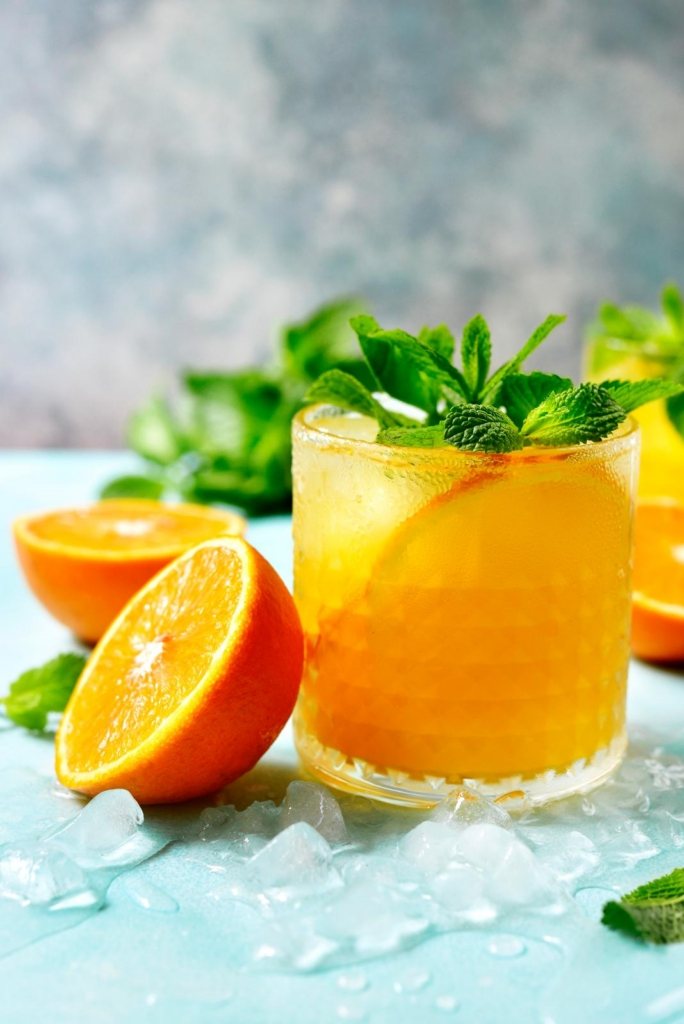
- Beverages: Sparkling waters, mocktails, functional beverages, teas, and energy drinks increasingly incorporate grapefruit and yuzu to create crisp, refreshing profiles that feel elevated and modern.
- Confections: Citrus bitterness pairs beautifully with sweetness, creating balanced flavor systems in gummies, hard candies, chocolate inclusions, and chewy confections. Yuzu, especially, has become associated with premium confectionery innovation because of its fragrant aromatic profile.
- Spice Blends: Alternative citrus can help seasoning systems feel brighter, fresher, and more multidimensional.
How Citrus Flavors Are Added to Dry Seasonings During Food Manufacturing
Delivering the bright, aromatic punch of fresh citrus in a stable, shelf-ready dry seasoning is one of the more nuanced challenges in food manufacturing, and one where ingredient selection and formulation expertise make all the difference.
Citrus flavor is typically incorporated into dry blends through a few key approaches. Spray-dried citrus juice and citrus peel powders are among the most common, as they’re shelf-stable, easy to blend uniformly, and carry the characteristic tart, slightly bitter notes associated with each variety. For more intense aroma, encapsulated citrus oils are often used; the micro-encapsulation process protects volatile flavor compounds during blending and processing, then releases them upon hydration or heat application — exactly when you want the flavor impact to peak.
Moisture control is also a critical manufacturing consideration. Citrus ingredients — particularly juice powders and some encapsulated systems — can be hygroscopic, meaning they absorb moisture from the surrounding environment and cause clumping. Working with the right carriers, flow agents, and packaging specifications ensures the finished seasoning remains free-flowing and performs consistently in high-speed production environments.
Finally, the interaction between citrus and the rest of the seasoning blend must be carefully managed. High-acid citrus components can affect the stability of other flavor elements over time. That’s why thorough shelf-life testing and compatibility evaluation are essential steps in any successful citrus-forward seasoning development program.
Explore the Possibilities of Alternative Citrus With NuSpice
As consumer demand for globally inspired and flavor-forward products continues growing, alternative citrus offers exciting opportunities for brands looking to innovate with confidence. At NuSpice, we help brands bring trending citrus flavors to life through thoughtfully developed seasoning blends designed for consistency, functionality, and real-world application performance. Whether developing citrus-forward snacks, meat seasonings, or seasonal limited-time offerings, our team works closely with manufacturers to create balanced flavor systems tailored to their specific goals.
If your brand is exploring innovative citrus applications, reach out to NuSpice to learn more about developing bold, trend-driven products that deliver standout flavor experiences consumers will remember.