

For years, flavor was often treated as the final step in product development — something added after texture, packaging, shelf life, and pricing had already been decided. It was viewed as a supporting detail rather than the driving force behind a product’s success. But today’s food industry looks very different. In crowded categories where consumers have endless options, brands must use flavor as a way to distinguish themselves.
When crafted strategically, flavor can shape purchasing decisions, drive repeat sales, inspire limited-time offerings, and create emotional connections that consumers remember long after the first bite. So, instead of settling for a taste that is “good enough,” invest in seasoning systems that create memorable flavors that spark curiosity, cultivate a sense of comfort, and connect to specific trends, lifestyles, and even cultural moments. Brands that do this will see long-term success.
How Flavor Differentiation Creates Competitive Advantage
As the marketplace continues to become more saturated, flavor innovation is helping brands stand apart in ways that pricing or packaging alone cannot.
Flavor Creates Instant Brand Recognition
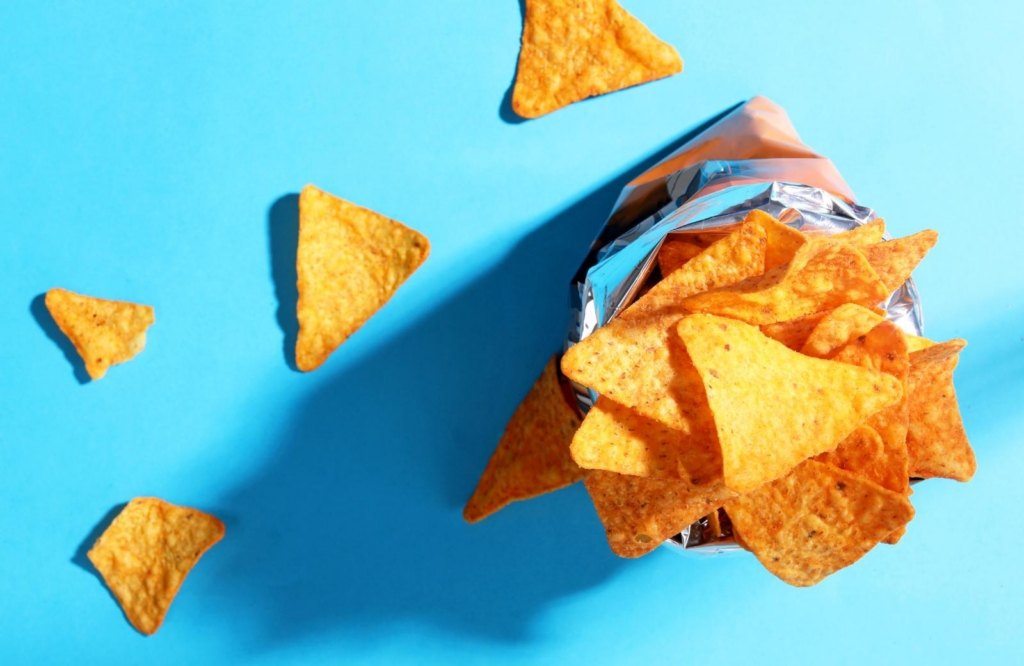
Some of the most successful food products on the market are instantly recognizable because of their flavor profiles. For example, Doritos is known for its bold Nacho Cheese seasoning, Ritz for its buttery, salty cracker, and Nature Valley for its honey oat granola.
When brands develop unique seasoning blends or signature flavor systems, they create a sensory identity that competitors cannot easily replicate. This identity becomes part of the overall customer experience and helps products remain memorable even in highly competitive retail environments.
Memorable Flavors Drive Customer Loyalty
Consumers may initially purchase a product because of marketing or packaging, but they return because of flavor and the emotional responses it triggers.
Nostalgic profiles can create comfort and familiarity, while bold and adventurous combinations can generate excitement and curiosity. These emotional connections often influence purchasing behavior more strongly than consumers realize, and brands that consistently deliver distinctive flavor experiences are more likely to build long-term customer loyalty.
Flavor Fuels Product Innovation
Flavor innovation also opens the door for expansion across multiple product categories. A successful flavor profile can inspire line extensions, seasonal launches, limited-time offerings, and entirely new product concepts.
Think about how hot honey evolved from a niche pizza drizzle into a full-scale flavor platform. Today, it appears in chicken sandwiches, snack coatings, dipping sauces, frozen appetizers, marinades, and even cocktails. What started as a single flavor concept became a cross-category opportunity that allowed brands to create familiarity while still delivering novelty.
This flexibility allows brands to remain agile while continuously introducing products that feel fresh and relevant. Instead of competing solely on convenience or price, companies can use flavor innovation to keep consumers engaged and excited about what comes next.
Texture Is Becoming Part of the Flavor Experience
Today’s consumers are not just craving bold flavors — they are craving contrast, crunch, creaminess, and layered sensory experiences. Crispy chili oils, crunchy seasoning inclusions, crackled coatings, creamy drizzles, and charred finishes are influencing everything from snacks and frozen foods to sauces and handheld appetizers.
In many cases, texture is what amplifies flavor perception. A crispy coating can make heat feel more intense, while creamy elements can soften acidity or balance spice. Consumers increasingly associate texture with freshness, indulgence, quality, and even authenticity.
As brands continue pushing for more memorable eating experiences, flavor and texture are no longer being developed separately — they are becoming part of the same strategic conversation.
Flavor Trends Shaping the Future of Food Innovation
Consumer preferences continue to evolve rapidly, and flavor trends are playing a major role in shaping the future of food innovation. Brands that stay ahead of these shifts are better positioned to capture attention and maintain relevance.
Some of the top trends shaping the future of flavor include:
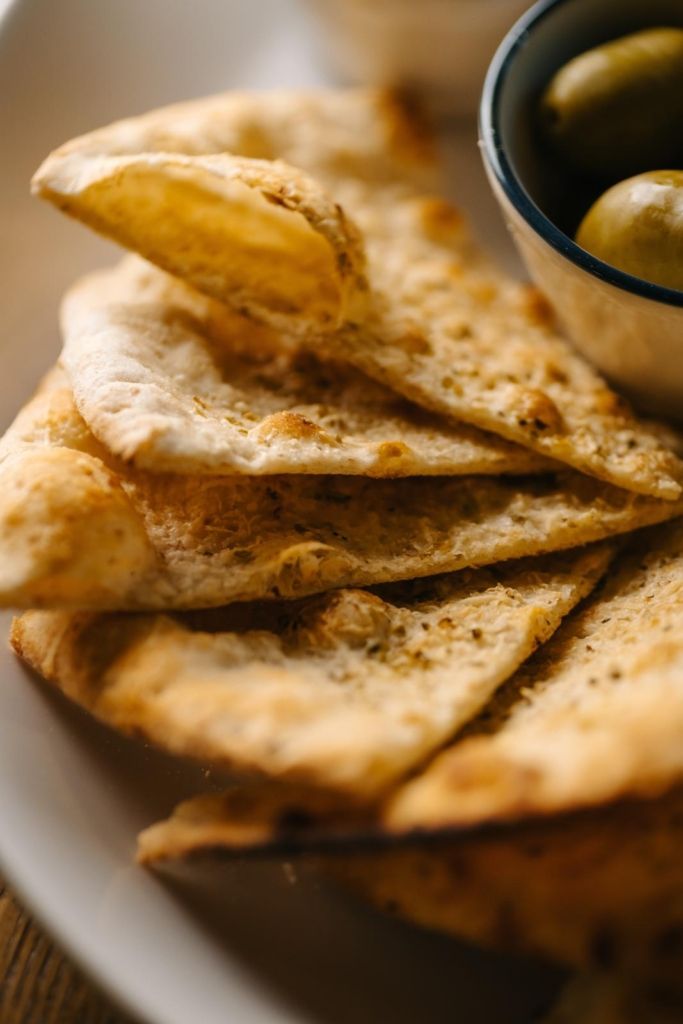
- A Demand for Globally-Inspired Seasonings: Consumers are increasingly interested in bold regional seasonings, fusion concepts, and international culinary influences that offer new experiences. Flavors inspired by Korean barbecue, Mediterranean street food, Caribbean spice blends, and Latin American cuisine continue gaining popularity across snacks, sauces, proteins, and prepared meals.
- Newstalgia: Familiar comfort foods with modern twists are resonating with consumers seeking both emotional connection and novelty. Brown butter, smoked vanilla, hot honey, and elevated barbecue profiles are examples of flavors that blend familiarity with innovation.
- Moving Beyond Swicy: The marriage of sweet and spicy (think hot honey or mango-habanero) has evolved from a trend into a staple. However, the next frontier is complex heat, layering different types of peppers (like the smoky heat of morita and the floral sting of scotch bonnet) to create a sophisticated, multi-stage heat experience.
- Healthy Indulgence: Products positioned around wellness still need to deliver satisfying taste experiences, making flavor essential in balancing functionality with indulgence. Consumers increasingly expect better-for-you products to offer the same level of excitement and satisfaction as traditional options.
- Functional Flavor: As the Food as Medicine movement grows, consumers are looking for flavors that feel naturally tied to wellness and functionality. Botanical infusions, turmeric-forward earthiness, fermented notes, citrus brightness, and green herbaceous profiles are increasingly being used to signal freshness, vitality, and transparency. In many cases, consumers associate these flavor cues with health benefits before they ever read nutritional claims on the package.
Discover Your Brand’s Next Successful Flavor at NuSpice
Flavor is the most direct line of communication you have with your customer. What is your brand saying?
In a world where everyone is fighting for a “share of stomach,” the winners will be those who treat their flavor profiles with the same strategic rigor as their supply chain or their digital marketing. So, give your product’s flavor careful consideration and consider partnering with the experts at NuSpice to transform flavor into a competitive advantage.
Our team of culinary experts and flavor scientists works collaboratively with you to develop innovative seasoning blends that command attention and keep consumers coming back for more. Whether you’re developing a disruptive LTO, building a signature seasoning system, or refreshing a legacy product, strategic flavor development can help your brand stay culturally relevant and commercially competitive.