
The first quarter of 2026 is shaping up to be a moment of recalibration. Consumers are no longer chasing novelty just for the sake of it. Instead, they are prioritizing foods that work harder, feel better, and still deliver flavor.
From functional pantry staples to the return of traditional ingredients, this quarter is defined by a shift in how consumers think about “better-for-you.” It is no longer about restriction. It is about enhancement, balance, and purpose. At the same time, flavor remains non-negotiable. The most successful products are the ones that bring together comfort, culture, and functionality in a way that feels both familiar and elevated.
Let’s take a closer look at the trends stepping up in Q1.
🫘 Beans Get a Glow-Up
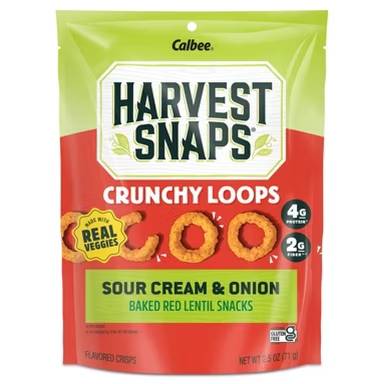
Beans are stepping into the spotlight in a completely new way. What was once seen as a basic pantry staple is now being reimagined as a modern, functional ingredient with real versatility.
Brands are transforming beans into formats that feel fresh and exciting. Fermented chickpea salads introduce gut health benefits while adding a subtle tang that enhances overall flavor. At the same time, crunchy bean-based snacks are entering the market with bold, craveable seasonings that rival traditional snack categories. These products are not just about nutrition. They are designed to deliver a full sensory experience.
This shift reflects a larger consumer mindset. People are eating more intentionally and expecting more from every bite. Protein and fiber are no longer “nice to have” benefits. They are baseline expectations. Beans naturally deliver both, making them an ideal foundation for innovation.
What makes this trend especially powerful is its flexibility. Beans can move seamlessly between indulgent and better-for-you positioning depending on how they are flavored and formatted. With the right seasoning approach, they become a canvas for globally inspired profiles, nostalgic flavors, or bold, heat-forward experiences.
🥩 The Tallow Takeover
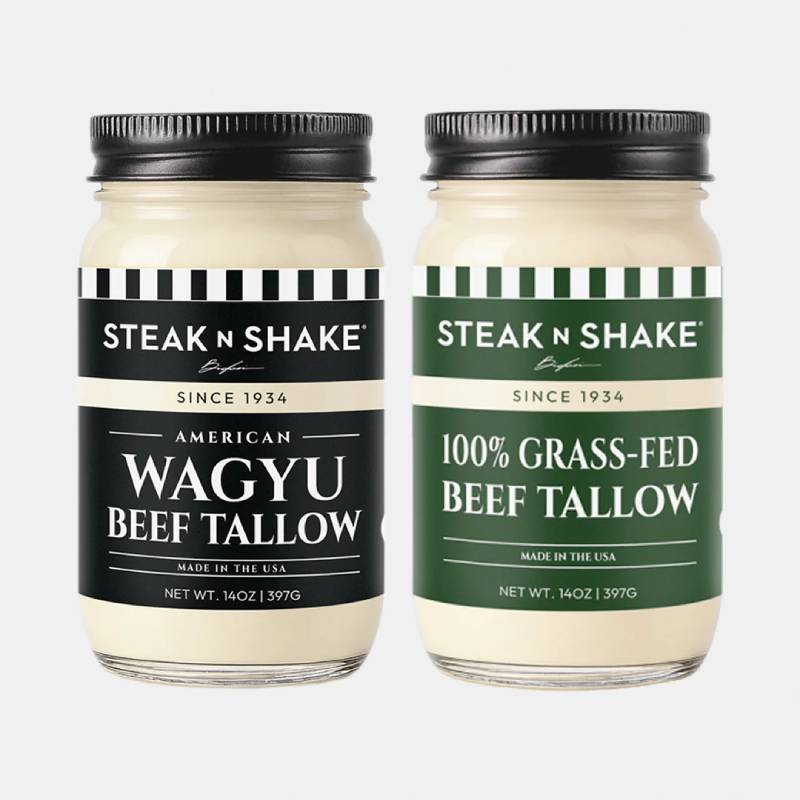
A quiet but meaningful shift is happening when it comes to fats. After years of dominance from seed oils like soybean, canola, and sunflower, consumers are beginning to look more closely at ingredient lists and question what they see.
This growing scrutiny is driving renewed interest in traditional fats like beef tallow. For many consumers, this shift is less about strict nutritional science and more about perception and trust. Seed oils, once seen as a standard, are now facing backlash in certain consumer circles, often viewed as overly processed or less transparent. In contrast, tallow is increasingly associated with simplicity, familiarity, and a return to “real food.” It feels less processed, more recognizable, and more aligned with a back-to-basics approach to eating.
At the same time, brands are recognizing that this shift represents an opportunity to differentiate. Some are beginning to reformulate products away from seed oils and toward traditional fats, despite higher costs, to better align with evolving consumer preferences. Others are leaning into messaging that emphasizes sourcing, quality, and ingredient transparency as a point of distinction.
Beyond perception, tallow also brings functional and sensory benefits. It delivers a richness and depth that enhances flavor, particularly in savory applications, creating a more indulgent eating experience. This positions it as both a cultural and culinary response to the long-standing dominance of seed oils, rather than a complete replacement.
🥛 Dairy Does More
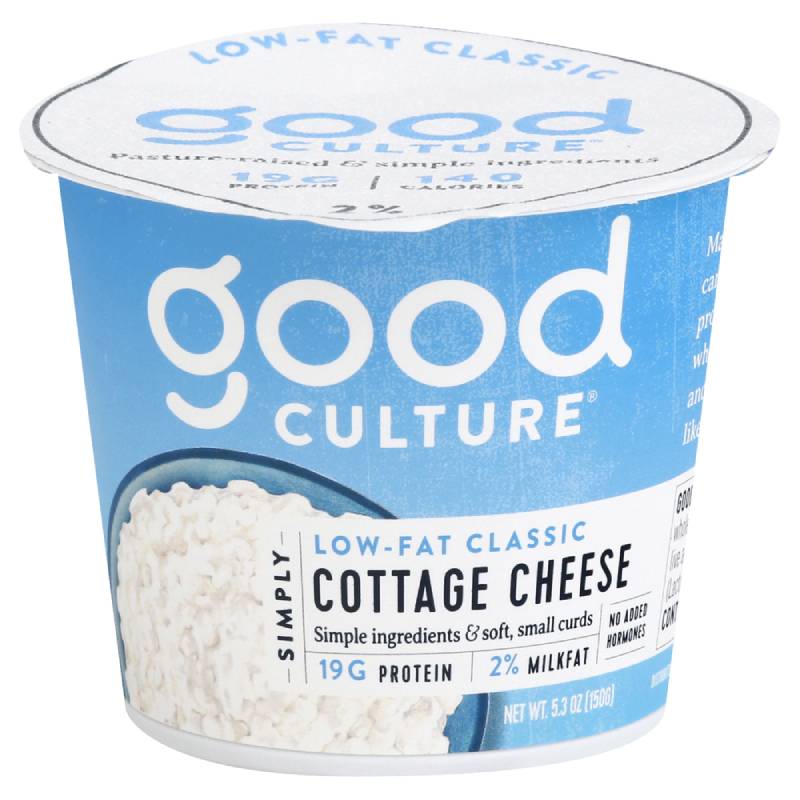
Dairy is evolving into something far more dynamic than a traditional staple. It is becoming a strategic ingredient that delivers both nutrition and versatility.
As protein continues to dominate consumer priorities, dairy products are being re-evaluated through a functional lens. Yogurts, drinkables, and cultured dairy items are gaining traction not just for their taste, but for their ability to provide both protein and probiotics in a convenient, everyday format. These benefits make dairy an easy and accessible way for consumers to support their overall wellness goals.
At the same time, there is a growing appreciation for the balance dairy offers. It feels familiar and comforting, yet it can be easily elevated through flavor innovation. Whether it is a tangy cultured base paired with bold spices or a creamy format that supports indulgent profiles, dairy provides a foundation that works across multiple categories.
What sets this trend apart is how seamlessly it fits into daily routines. Consumers are not looking to overhaul their diets. They are looking for simple upgrades that deliver more value without adding complexity. Dairy meets that need by offering function in a format people already know and trust.
🌊 Seaweed Steps In
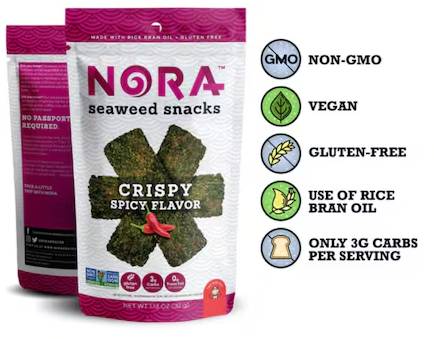
Seaweed is steadily moving from the margins into the mainstream, driven by its ability to deliver both functionality and simplicity.
Traditionally associated with snacks or niche applications, seaweed is now being used in new ways that highlight its versatility. In powdered form, it can stabilize proteins, fats, and fibers, making it a valuable tool for formulation. This allows brands to achieve desired textures and performance without relying on additives or complex ingredient systems.
Its appeal also ties directly into broader consumer priorities. Clean label products continue to gain importance, and seaweed offers a solution that feels natural and minimally processed. At the same time, sustainability plays a role in its growing popularity, as seaweed is widely recognized as a resource-efficient ingredient.
One of its biggest advantages is its neutrality. Unlike other functional ingredients that may impact flavor, seaweed can work behind the scenes, supporting structure and stability while allowing other flavors to shine. This opens the door for more creative and flexible product development.
✨ The NuSpice Takeaway
If Q1 2026 makes one thing clear, it is that function and flavor are no longer separate conversations. Consumers expect both, and they are making choices based on products that deliver on multiple levels.
There is a clear shift toward foods that offer more. More protein. More fiber. More purpose. At the same time, there is a desire for fewer additives, simpler ingredient lists, and greater transparency. Familiar ingredients are being reimagined to meet these expectations, creating products that feel both comforting and forward-thinking.
For brands, this presents a unique opportunity. The challenge is not just to follow trends, but to translate them into products that resonate. That means building experiences that are as craveable as they are functional.
At NuSpice, we see flavor as the bridge that brings everything together. Whether it is enhancing a fermented snack, building depth into a tallow-based application, or elevating a dairy product with layered spice, the goal is always the same. Turn insight into something tangible, scalable, and memorable.
Because in 2026, success will come from products that do more than meet expectations. They will redefine them.