
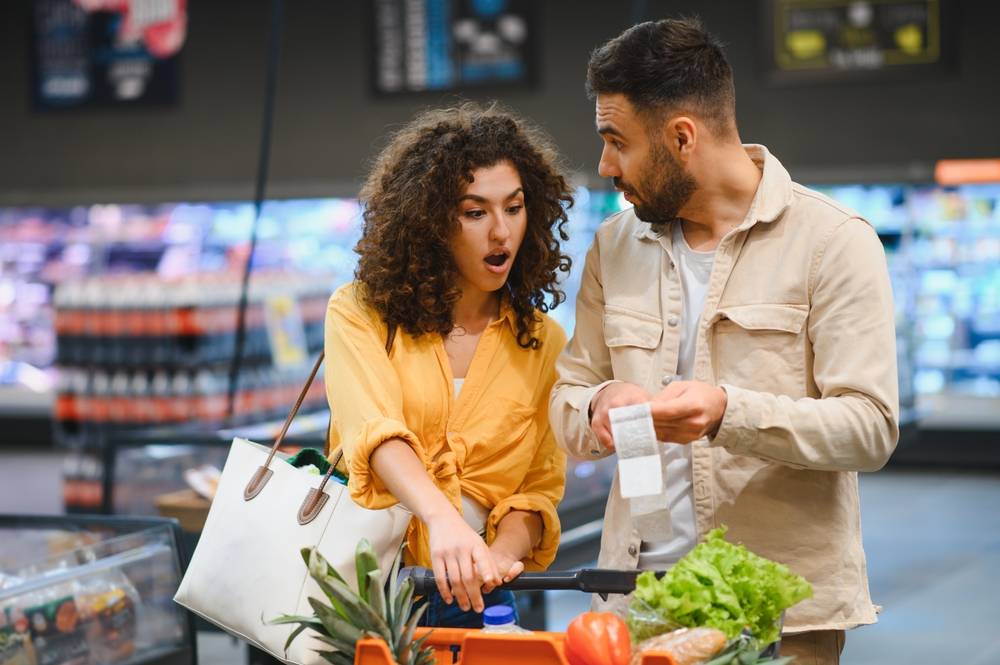
Lately, I can’t help but feel like consumer behavior isn’t just shifting, it’s pulling in completely different directions at the same time. And it’s showing up everywhere. In conversations, in products, in what people are ordering, and sometimes even more noticeably… in what they’re not.
Take Gen Z. I keep hearing– and seeing that they’re drinking less. Not in a “cutting back” kind of way, but in a more intentional, almost identity-driven way. But they’re not opting out of indulgence. If anything, they’re just redirecting it. Cannabis, vape culture, functional drinks, late-night snacks- the behavior is still there, just reframed. And what’s interesting is that when alcohol steps back, something has to fill that space. That layered, sensory experience people used to get from a drink? It’s starting to show up more in food. Bolder flavors, more contrast, more intensity, almost like the plate is picking up where the glass left off.
At the same time, I’m watching something completely different happen with another group of consumers. GLP-1 medications are quietly changing how people eat. Not philosophically, but physically. Smaller portions, fewer bites, less of that constant pull toward food… and even alcohol. What’s especially interesting is that many of the people using these medications come from generations where alcohol has always been a central part of social life and now, almost unintentionally, they’re drinking less, too. It’s not necessarily a conscious lifestyle shift, but the result is the same. And what that seems to be doing is raising the bar. If someone is only eating or drinking a little, it has to be worth it. There’s less patience for anything that feels like filler. It’s not about volume anymore, it’s about impact.
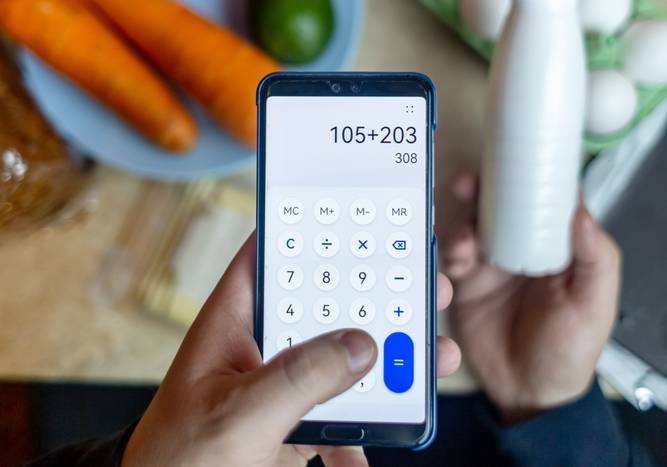
And then there’s the part that hits closer to home for me. The cost side. The unpredictability. Garlic, onion, imports — things that used to feel relatively stable are now part of a much bigger, more complicated conversation. I find myself thinking less about “what would taste best here” and more about “how do we get to that same experience differently.” It’s not just formulation anymore, it’s constant recalibration.
And then there’s another layer to all of this that I can’t seem to shake.
I’ve been noticing both in conversations and just in how people are talking about their lives that there’s a broader sense of people hunkering down. Not in a reactive way, but in a more calculated, almost cautious way. Individuals, businesses, manufacturers… everyone seems to be making more conscious decisions about what they spend, where they invest, and what they’re willing to take on in an environment that still feels pretty unknown.
And it’s not just showing up in business, it’s personal. I read something recently that really stuck with me. Someone with a full-time job and healthcare coverage made the decision to opt out of a necessary surgery because they couldn’t afford the deductible. Not because they didn’t need it but because they couldn’t justify the cost. And now they’re living with that choice, knowing it likely means ongoing pain.
And that’s here. That’s not somewhere else- that’s the reality for people in the U.S. right now.
It’s hard not to think about how that kind of decision-making carries over into everything else- including food. When people are weighing long-term health, immediate cost, and daily choices all at once, it shifts how they define value. What’s worth it. What feels necessary. What feels like a luxury.
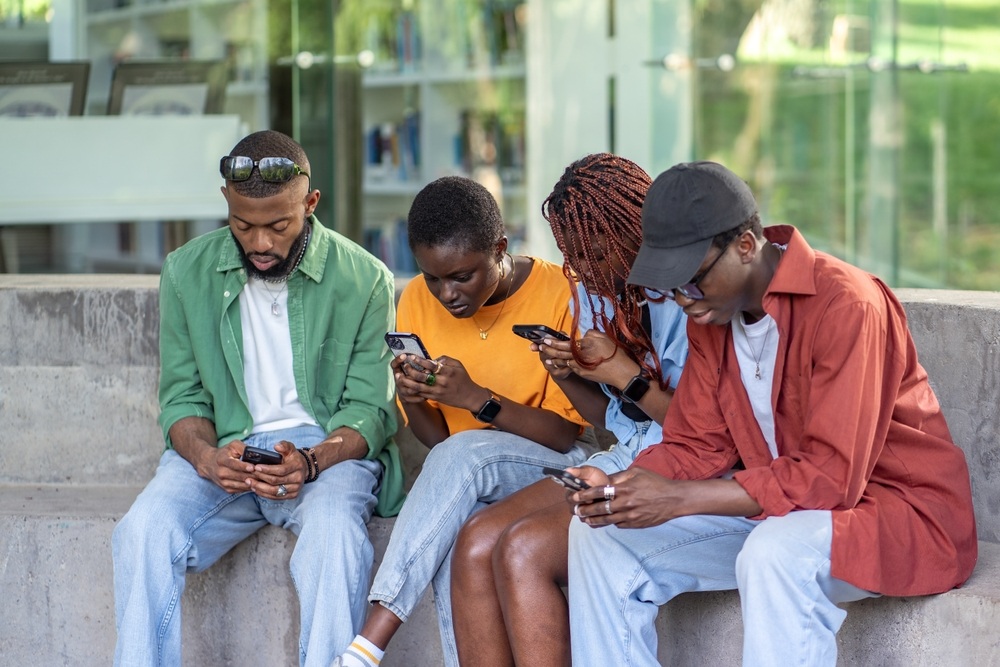
And layered into all of this is something I’ve been noticing more on a personal level. We’re more connected than we’ve ever been. We can order anything instantly, talk to anyone anywhere, play games with people across the world- the access is truly incredible and something unimaginable 30 years ago. But at the same time, I’ve never seen so many people feel disconnected. Anxious. Lonely. A little untethered from real, physical experiences.
I say that knowing I probably see the world differently- I’m a very extroverted extrovert- but even still, I’ve watched a lot of people around me shift in this way. And it makes me think about how that shows up in food, too. Because food has always been more than just fuel: it’s social, it’s emotional, it’s grounding. And when other parts of life start to feel less connected, I think people start looking for that feeling in different places. Sometimes that means seeking out comfort. Sometimes it means chasing experience. And sometimes it means pulling back entirely.
And I think that’s part of why we’re seeing such a strong pull toward nostalgia right now. Familiarity feels good. It feels safe. It’s something people can instantly recognize and connect to without having to think too hard about it — and in a world that feels a little unpredictable, that kind of ease matters. We leaned into that pretty heavily with our marketing promotion, NuStalgia, this year, almost instinctively, and the more I step back, the more it feels like we were tapping into something bigger. It’s not just a creative direction, it’s a response. And it’s not just happening in food. You’re seeing it across industries: entertainment, fashion, branding- this return to things that feel known, comfortable, and grounded. Not because people want to go backwards, but because familiarity creates a kind of emotional anchor in a moment that doesn’t always feel stable.
What I keep coming back to is how contradictory all this feels. People want indulgence, but they also want control. They’re eating less but expecting more from it. They’re more cost-aware, but not willing to compromise on experience. They’re more connected than ever, but somehow also more disconnected. It doesn’t point in one clean direction- and maybe that’s the point. It feels like we’re in a moment where people are just more aware, more selective, more intentional about what they choose to eat, when they eat it, and whether it’s actually worth it. And from where I sit, that changes the role of flavor in a big way. It’s not just there to taste good: it has to deliver something quickly, clearly, and completely, sometimes in just a few bites. It has to create that sense of satisfaction that used to come from a full plate, a full drink, or a longer experience. I don’t think the appetite has gone anywhere. If anything, it’s just become more specific. And the more I pay attention to it, the more it feels like it’s telling us exactly what it wants, just not in the way we’re used to listening.